





Why It's Rule Number One
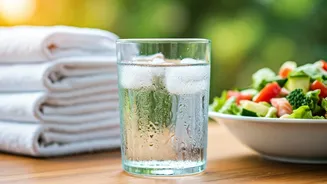
Calling hydration the “first” rule isn’t hyperbole; it’s about acknowledging its foundational role in your body’s operating system. Think of your body as a complex machine. Water is the lubricant, the cooling agent, and the transport vehicle all in one.
Every single cell, tissue, and organ needs it to function correctly. When you're properly hydrated, your body can efficiently regulate its temperature—critical during sweltering summer days. Your energy levels are more stable because water is essential for converting food into fuel. Even your mood and cognitive function get a boost. Studies show that even mild dehydration can impair concentration, increase irritability, and cause fatigue. So, while other wellness practices are important, they all work better when your body is properly hydrated first.
The Sneaky Signs of Dehydration
Most of us wait until we feel thirsty to grab a glass of water, but thirst is actually a lagging indicator—by the time you feel it, you're already on your way to being dehydrated. Learning to spot the earlier, more subtle signs can make a huge difference in how you feel day-to-day. The most common red flags go beyond a dry mouth. Are you feeling unusually tired by 3 p.m.? It might not be the post-lunch slump, but dehydration. Are you getting frequent, dull headaches? That's a classic sign. Other signals include brain fog, feeling irritable or anxious for no clear reason, and having darker-than-usual urine (it should ideally be a pale, straw-like color). Paying attention to these signals allows you to intervene early, preventing the energy drain and discomfort that can ruin a perfectly good summer afternoon.
Beyond the 'Eight Glasses' Rule
The old “eight glasses a day” mantra is a decent starting point, but it’s not a one-size-fits-all prescription. Your individual hydration needs depend on a host of factors, including your age, sex, weight, activity level, and the climate you live in. Someone doing a light workout indoors needs less water than a construction worker on a hot day. The U.S. National Academies of Sciences, Engineering, and Medicine offer a broader guideline: about 15.5 cups (3.7 liters) of fluids a day for men and about 11.5 cups (2.7 liters) for women. But notice the word “fluids,” not just water. This total includes water from all beverages and even food. A more practical approach is to listen to your body: drink when you're thirsty, keep an eye on your urine color, and be sure to increase your intake when you're sweating more, whether from heat or exercise.
Make Hydration Effortless
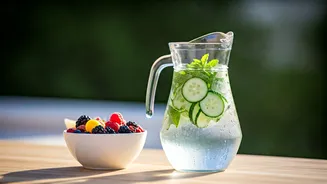
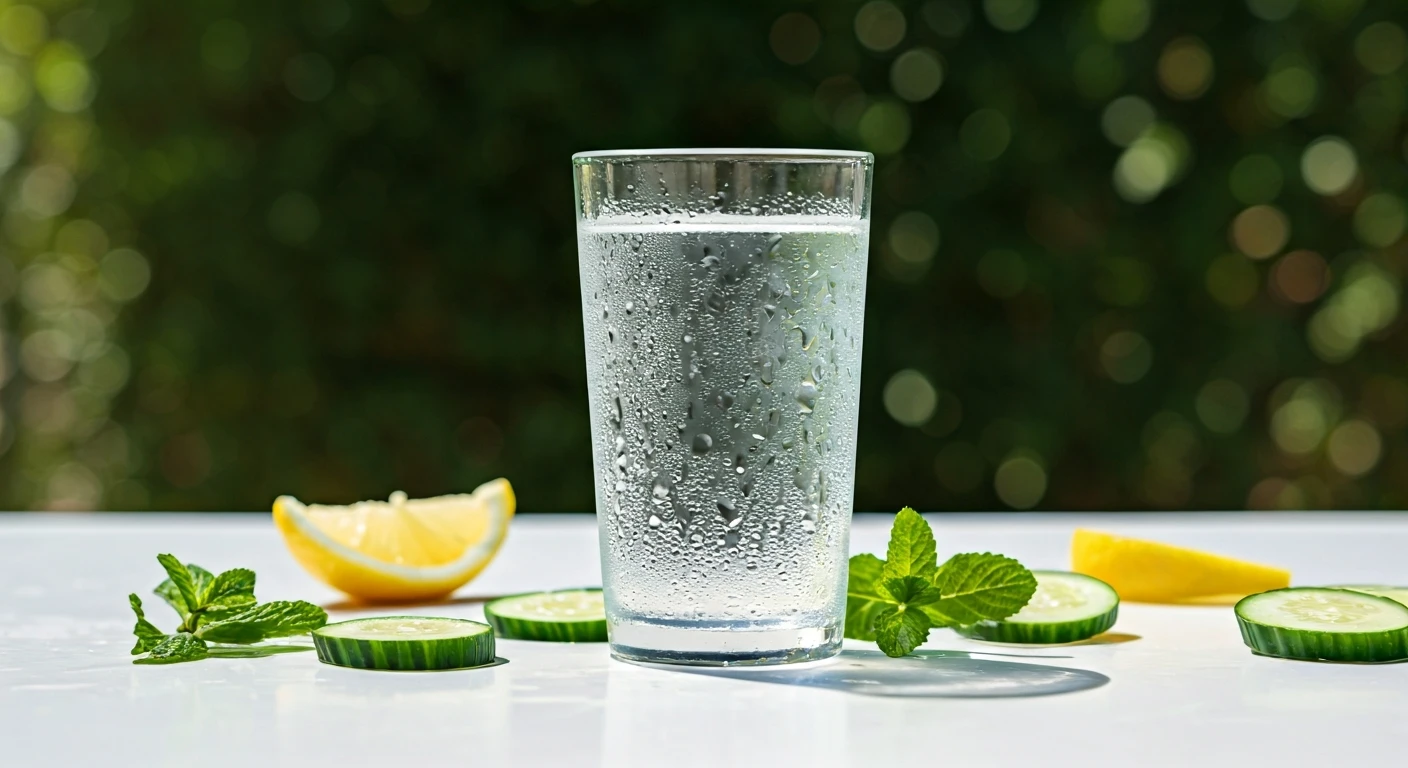
Knowing you should drink more water and actually doing it are two different things. The key is to make it a seamless part of your routine. Start by “eating” your water; many fruits and vegetables have high water content, like watermelon, strawberries, cucumbers, and celery. They provide hydration along with valuable nutrients. If you find plain water boring, infuse it with flavor. Add slices of lemon, lime, cucumber, or a handful of mint to a pitcher. You can also try herbal teas or sparkling water. For the tech-savvy, setting reminders on your phone or using a hydration-tracking app can build the habit. Finally, invest in a water bottle you love. A high-quality, insulated bottle that keeps your water cold for hours makes it a more appealing and constant companion throughout your day.
Watch Your Drink-for-Drink Deficit
Not all fluids are created equal. While that iced coffee or happy hour cocktail might seem refreshing, they can work against your hydration goals. Caffeine is a mild diuretic, meaning it can cause you to urinate more frequently. While the water in a cup of coffee usually offsets this effect for moderate drinkers, it’s not contributing to your net hydration the way a glass of water does. Alcohol is a more significant culprit. It actively suppresses a hormone that helps your body retain water, leading to dehydration, which is a major contributor to hangover symptoms. A good rule of thumb for a summer day is to alternate alcoholic or caffeinated drinks with a full glass of water. It helps you stay balanced, enjoy your beverage, and avoid paying the price the next morning.