



Yogurt (Dahi) and Lassi
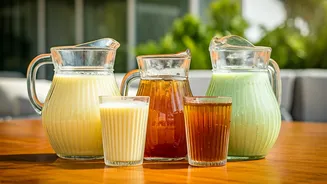
In the American supermarket, yogurt is a breakfast staple. In India, it's a versatile culinary workhorse and a primary defense against the heat. Known as *dahi*, plain yogurt is a fixture in summer meals. Its high water content helps with hydration, while
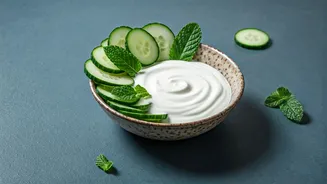
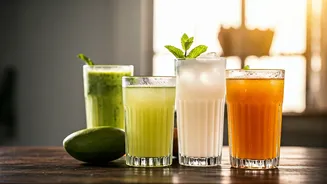
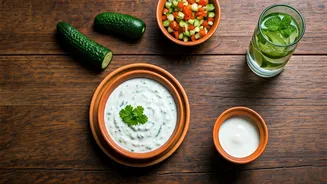
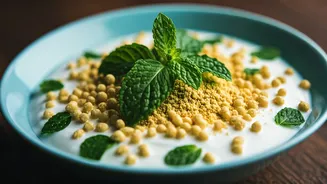
its probiotics are believed to aid digestion, which can become sluggish in hot weather. Traditional wisdom, rooted in Ayurveda, classifies yogurt as a cooling food that pacifies the body’s internal heat. You’ll find it served as a simple side dish, mixed with rice, or blended into *raita*, a savory dip with chopped vegetables like cucumber and mint. Even more popular is *lassi*, a yogurt-based drink that can be sweet or salty. A chilled glass of mango lassi or a spiced buttermilk (*chaas*) is more than just a treat; it’s a time-tested ritual for replenishment and refreshment.
Cucumber and Mint
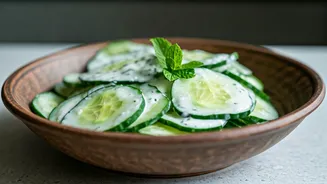
It’s no surprise that foods with high water content are essential for staying cool, and cucumber is a champion in this regard. Composed of about 95% water, it’s a hydrating powerhouse. But in India, it’s rarely just eaten plain. Sliced cucumbers are often sprinkled with salt, chili, and a squeeze of lime, turning a simple vegetable into a zesty, electrolyte-replenishing snack. Mint (*pudina*) is its constant companion. Whether muddled in a drink or ground into a chutney, mint provides a distinct cooling sensation. This is thanks to its menthol content, which tricks the brain’s receptors into feeling a sense of cold without actually changing the body’s temperature. The combination of cucumber’s hydration and mint’s sensory chill is a simple, brilliant defense against the sun.
Aam Panna: The Green Mango Elixir
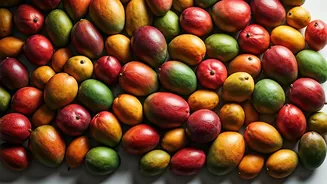
Long before the sweet, ripe mangoes of mid-summer arrive, their tart, green predecessors are harvested for a very specific purpose: making *aam panna*. This beloved North Indian drink is a true heat-buster. It’s made by boiling or roasting unripe mangoes and blending their soft pulp with water, sugar, and an array of spices like cumin, black salt, and mint. The result is a tangy, sweet, and savory beverage that’s incredibly revitalizing. More than just a tasty drink, *aam panna* is prized for its ability to prevent heat stroke and replenish the sodium and iron lost through excessive sweating. It’s a perfect example of how Indian cuisine turns a seasonal ingredient into a delicious form of preventative medicine.
Sattu: The Humble Superfood
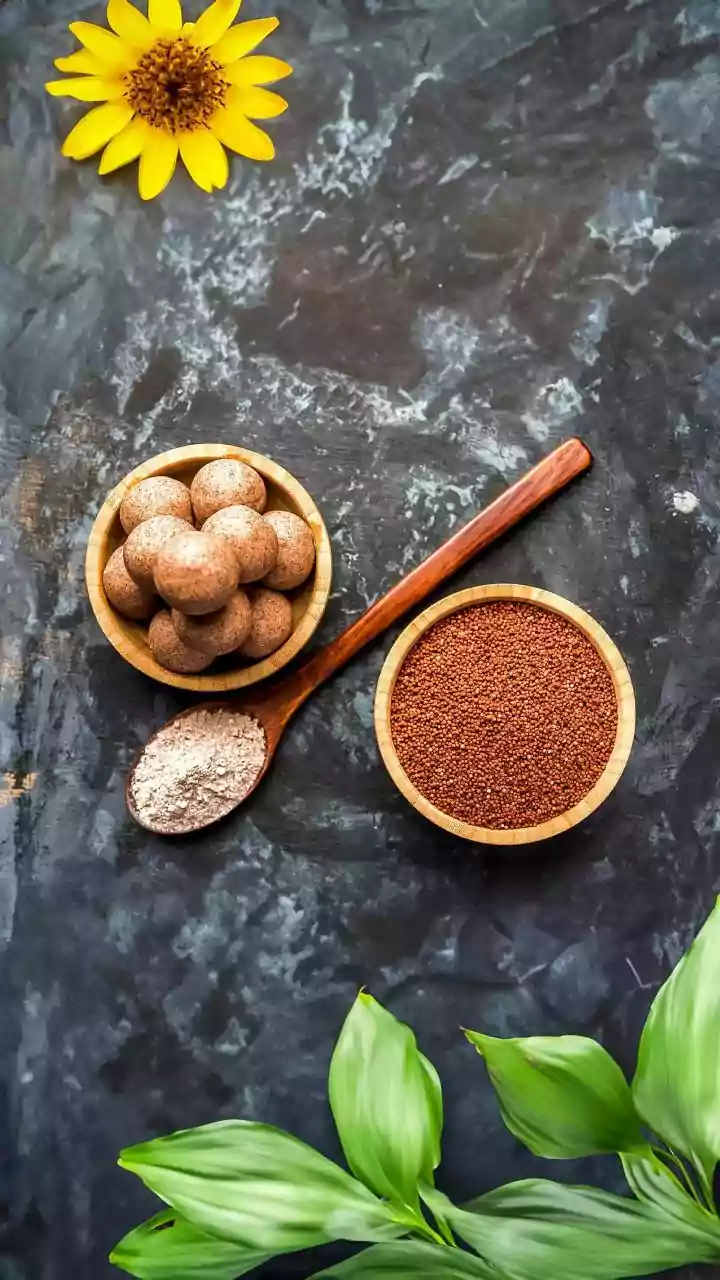
If there’s one cooling food that remains largely unknown in the West, it’s *sattu*. This humble ingredient, popular in states like Bihar, Jharkhand, and Uttar Pradesh, is a flour made from roasted gram (chickpeas). It’s an inexpensive, protein-packed powerhouse with incredible cooling properties. The most common way to consume it during the summer is as a drink called *sattu sharbat*. The flour is simply mixed with cold water, lemon juice, and spices like roasted cumin and black salt. It creates a thin, savory, and incredibly filling drink that provides sustained energy and hydration. For laborers and farmers working under the harsh sun, a glass of *sattu* is often a liquid meal that keeps them going while preventing dehydration.
Gourds and Melons
Walk through any Indian market in the summer, and you’ll see piles of gourds and melons. Vegetables like bottle gourd (*lauki*) and ridge gourd (*torai*) are staples in summer curries for a reason. They are light, easy to digest, and packed with water. Instead of heavy, rich sauces, summer cooking shifts toward lighter, more soupy preparations that don’t tax the digestive system. And of course, there’s watermelon. Eaten fresh and cold, often with a sprinkle of black salt to balance the sweetness and replenish electrolytes, it’s the quintessential summer fruit. Similarly, coconut water, sold by street vendors across the country, is nature’s sports drink—a sterile, refreshing liquid full of potassium and other essential minerals lost through sweat.