
The Science of Spatial Illusion
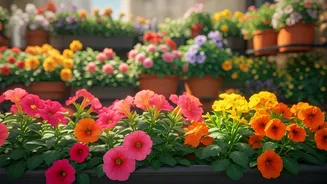
The core principle behind using color to expand a space is a simple trick of perception. Our eyes interpret colors in different ways. Warm colors—like fiery reds, vibrant oranges, and sunny yellows—appear to advance, or move closer to us. They are energetic,
eye-catching, and demand attention. In contrast, cool colors—such as blues, purples, and deep greens—seem to recede, or move away from us. They feel calming, serene, and distant. By understanding this basic distinction, you can essentially paint with plants to manipulate the perceived depth and boundaries of your garden, making it feel significantly larger than it is.
Use Hot Colors as Strategic Accents
Because they jump forward visually, you might think filling a small garden with hot colors is a mistake. Used improperly, it can be; a wall of red can feel like it’s closing in on you. The key is to use them strategically as focal points. Plant a container with brilliant red geraniums right by your door or seating area. Place a pot of sunny yellow marigolds where you want to draw the eye first. This technique pulls the visual action to the foreground, right where you are. By making the space around you feel vibrant and engaging, the less-vibrant background naturally feels farther away. Think of it as creating a 'wow' moment up close, which lets the rest of the garden fade into a deeper, more mysterious background. Good choices include zinnias, petunias, and celosia.
Let Cool Colors Create Depth
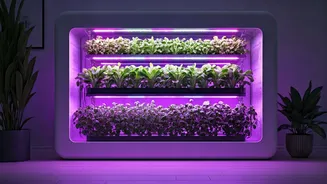
This is where the real magic happens. To create the illusion of a long, deep garden, plant your cool-colored flowers and foliage at the farthest boundaries of your space. A drift of blue salvia, a sweep of purple catmint, or a climbing hydrangea with its green leaves against a back fence will all appear farther away than they actually are. This visual trick fools your brain into perceiving more distance between you and the edge of your garden. The effect is subtle but powerful. The soft, hazy quality of blues and purples mimics the way we see distant hills, a phenomenon known as atmospheric perspective. Leaning into this effect with plants like lavender, Russian sage, or delphiniums can add yards of perceived depth to a tiny plot.
White and Silver: Your Secret Weapons
Don’t underestimate the power of neutrals. White, cream, and silver are essential tools for small-space gardeners. White flowers, like impatiens in a shady spot or white cosmos in the sun, act like little lightbulbs, brightening up the entire area. They pop against green foliage and prevent the garden from feeling murky or dense. Silver-leafed plants—such as dusty miller, lamb's ear, or artemisia—do the same thing but with a more sophisticated shimmer. They reflect sunlight beautifully and are particularly effective in the 'moon garden' tradition, where they seem to glow in the evening twilight. Weaving patches of white and silver throughout your planting scheme breaks up solid blocks of color and adds a sense of airiness that makes any space feel more open.
Beyond Blooms: Texture and Repetition
While bright blooms are the star of the show, they work best as part of a team. The texture of the foliage matters, too. Fine-textured plants, like ferns or grasses, create a soft, airy feel that enhances the illusion of space, while large, coarse leaves can make a space feel more enclosed. Try to balance both. More importantly, use repetition to create a sense of harmony and order, which makes a small garden feel intentional and calm rather than chaotic. Repeat one or two key colors in different spots throughout the garden—a splash of yellow here, another over there. This leads the eye gently through the space, creating a sense of flow and cohesion that makes the garden as a whole feel larger and more unified.