







The Furnace of the Plains
To understand the miracle of Mount Abu, you first have to understand the reality of Rajasthan. This sprawling state in northwestern India, famous for its majestic forts and palaces, is largely defined by the vast Thar Desert. In recent years, its summers
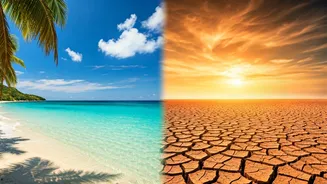
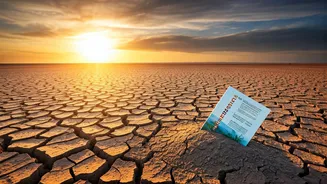
have become notoriously brutal. But this year has been different—a new level of extreme. Cities across Rajasthan have been grappling with one of the most severe heatwaves on record, with temperatures consistently climbing past 115°F (46°C) and even touching a blistering 122°F (50°C) in some areas. Life grinds to a halt. The air is thick and heavy, like breathing in a blast furnace. Streets empty during the day as people seek refuge indoors, but even concrete walls offer little respite. For millions, the sun isn't a source of life but a relentless, dangerous force, making the very act of existing a struggle for survival.
An Oasis in the Hills
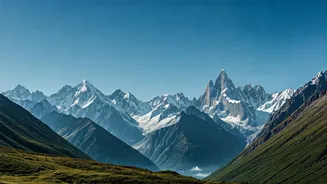
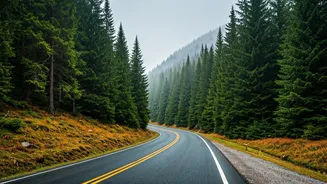
Then there is Mount Abu. A lone outcrop of green in a sea of beige, it is Rajasthan’s only hill station. The term “hill station” is a remnant of British colonial India, referring to high-altitude towns where officials and their families would escape the oppressive summer heat of the plains. For Americans, think of it as the equivalent of leaving a scorching Phoenix in July for the cool mountain air of Flagstaff or escaping a humid New York City summer for the Adirondacks. As you ascend the winding road into the Aravalli Range, the landscape transforms dramatically. The parched, scrubby terrain gives way to a dense forest of eucalyptus, bamboo, and flowering trees. The temperature drops noticeably. The air, once thick with dust, becomes crisp and scented with pine. In the center of it all lies Nakki Lake, a serene body of water where tourists paddle boats, a world away from the heat-cracked earth just a few dozen miles below.
An Accident of Altitude
So, how does this one spot defy the climate of an entire region? The answer is simple geography. Mount Abu is an isolated granite plateau that rises to an elevation of around 4,000 feet (1,220 meters). This altitude is the key to everything. The higher you go, the cooler it gets, a basic principle of atmospheric science that feels like pure magic here. This elevation doesn't just make it cooler; it creates a distinct microclimate. The mountain forces the moisture-laden winds to rise, cool, and release their water, a process called orographic lift. This gives Mount Abu significantly more rainfall than the surrounding plains, sustaining its lush vegetation and making it a designated wildlife sanctuary, home to sloth bears, leopards, and hundreds of bird species. It’s a self-contained ecosystem, a biodiversity hotspot preserved by its own unique geological and climatic conditions.
A Modern-Day Refuge
While hill stations were once the exclusive domain of colonial elites, today they are a democratic escape. As Rajasthan bakes, Mount Abu has become a crucial release valve. Hotels are booked solid, and the town’s narrow streets teem with tourists from neighboring cities and states, all seeking the simple, profound luxury of a cool breeze. For these visitors, it's more than just a vacation; it's a pilgrimage for physical and mental relief. They come not just for the scenic beauty but for the chance to walk outside without feeling assaulted by the heat, to sleep under a blanket at night, and to remember what comfortable feels like. The town’s economy thrives on this seasonal migration, with vendors, hoteliers, and guides all catering to the influx of what could be called climate refugees, even if they are only temporary ones.