

Welcome to the Montreux Riviera
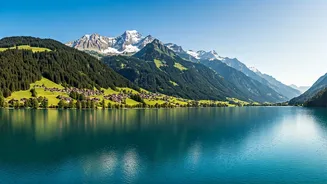
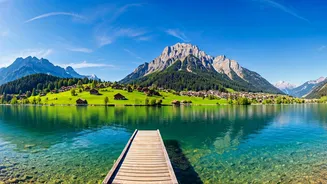
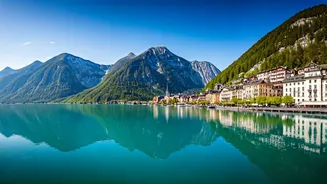
Forget what you think you know. The so-called “Swiss Riviera,” centered around the elegant town of Montreux, enjoys a surprisingly mild microclimate thanks to its south-facing position, the moderating influence of the lake, and the protection of the Alps
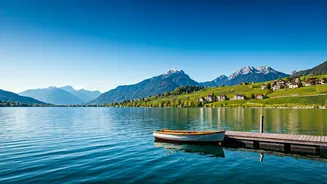
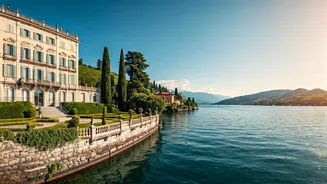
behind it. The result is a landscape dotted with palm trees, magnolias, and vibrant flower-lined promenades that feel more like the South of France than the land of fondue and toboggans. The waterfront is a masterclass in Belle Époque architecture, with grand hotels and ornate villas harkening back to an era when European aristocracy flocked here for the pristine air and peaceful scenery. It’s a place that moves at a more leisurely, contemplative pace—one defined by lakeside strolls, long lunches, and the simple pleasure of watching sailboats drift across the water.
Lakeside Grandeur and Historic Hotels
The “luxury” in the headline isn't an overstatement; it’s woven into the fabric of the region. This is where you’ll find some of Switzerland’s most legendary palace hotels, like the Fairmont Le Montreux Palace, an icon of hospitality since 1906. Staying here—or simply enjoying a drink on its sprawling terrace—is a transportive experience, offering panoramic views of the lake and the French Alps across the water. But the luxury isn't just confined to hotels. It’s in the meticulous public gardens, the upscale boutiques, and the quiet sophistication of the waterfront restaurants serving fresh-caught perch. Unlike the see-and-be-seen glitz of other rivieras, the vibe here is one of discreet, earned elegance. It’s less about flash and more about quality, a hallmark of Swiss culture.
The Vineyards That Touch the Water
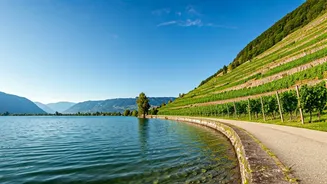
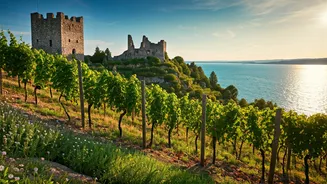
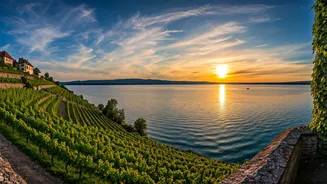
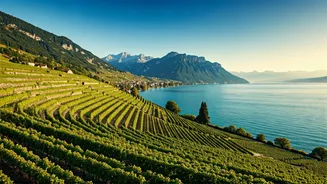
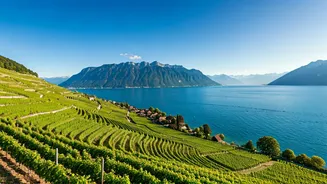
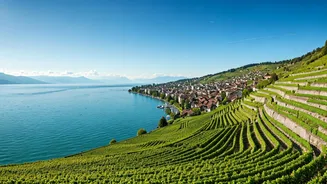
Perhaps the most breathtaking feature of the Swiss Riviera is the Lavaux vineyard terraces, a UNESCO World Heritage site. For nearly 20 miles between Lausanne and Montreux, steep, sun-drenched terraces cascade dramatically down to the lake’s edge. This winemaking region, largely built by monks in the 11th century, is a marvel of human engineering and natural beauty. The primary grape grown here is Chasselas, which produces a crisp, light white wine that locals say gets its flavor from three suns: the direct sun, the sun reflected off the lake, and the heat stored in the ancient stone walls of the terraces. You can hike or bike through the vineyards on well-marked paths, stopping at tiny cellars (called “caveaux”) for tastings with the winemakers themselves, all while enjoying some of the most spectacular views in Europe.
A Soundtrack of Legends
This tranquil setting has a surprisingly rock-and-roll soul. For two weeks every July, the world-renowned Montreux Jazz Festival transforms the town into a global music hub, drawing legendary artists and fans to its stages. Founded in 1967, its history is palpable; Deep Purple immortalized a fire at the Montreux Casino in their hit “Smoke on the Water.” But the region's most famous musical resident was Freddie Mercury, who fell in love with Montreux’s serenity. He recorded several Queen albums at Mountain Studios here and famously said, “If you want peace of soul, come to Montreux.” Today, a bronze statue of him strikes a triumphant pose on the waterfront, becoming a pilgrimage site for fans from around the world.
Castles, Cruises, and Alpine Views
While the lifestyle is the main draw, the area is rich with activities. Just outside Montreux is the Château de Chillon, a stunningly preserved medieval island castle that appears to float on the lake. It’s one of Switzerland’s most visited historic sites for a reason. For a different perspective, take a ride on one of the vintage Belle Époque paddle steamers that crisscross the lake, connecting Montreux with Lausanne, Geneva, and the charming French spa town of Évian-les-Bains. And if you do start to miss the alpine views, a short train ride can whisk you up to Rochers-de-Naye, a mountain peak over 6,000 feet above the lake, offering a staggering panorama that puts the whole Riviera into glorious context.