




Not Your Neighbor’s Tomato Plant
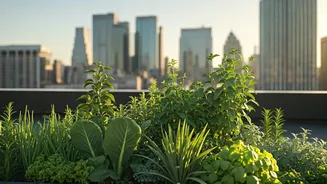
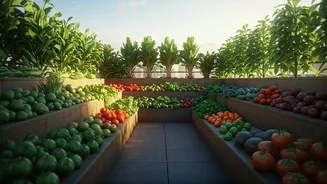
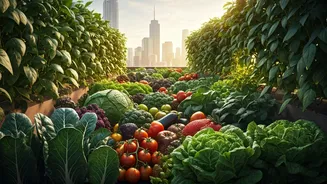
When you hear ‘rooftop garden,’ it’s easy to picture a few potted herbs and a lonely tomato vine. But the trend challenging industrial agriculture isn’t about hobbyists—it’s about high-tech, commercial-scale farms operating on urban rooftops. Companies
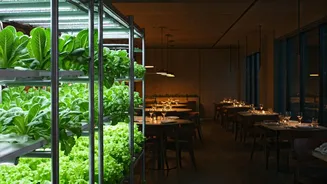
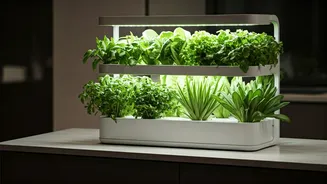
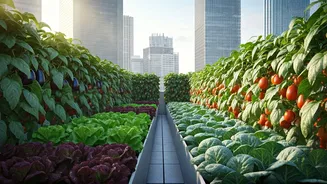
like Gotham Greens in New York and Chicago, or Brooklyn Grange, are building sophisticated greenhouses that cover tens of thousands of square feet. Inside, they use advanced techniques like hydroponics (growing plants in nutrient-rich water) and controlled environment agriculture (CEA) to produce vast quantities of leafy greens, herbs, and vine vegetables year-round. These are not community gardens; they are data-driven food production facilities that happen to be located on top of warehouses and apartment buildings, selling directly to local grocery stores, restaurants, and consumers.
Short-Circuiting the Supply Chain
The real ‘challenge’ to the mainstream supply chain isn’t about volume—rooftop farms aren't going to replace the sprawling fields of California’s Central Valley. The disruption is about proximity. The traditional food system is a marvel of logistics, but it’s also incredibly long. A head of lettuce might travel over 2,000 miles, taking days or weeks to get from farm to store. Along the way, it loses nutritional value, and a significant portion—up to 40% for some produce—is lost to spoilage. Rooftop farms collapse that journey. Produce can be harvested in the morning and be on a grocery store shelf or a restaurant plate by the afternoon. This radical reduction in ‘food miles’ cuts down on transportation costs, fuel consumption, and carbon emissions. It offers a level of freshness that long-haul logistics simply cannot match, creating a new premium market for hyper-local food.
The Unexpected Urban Benefits
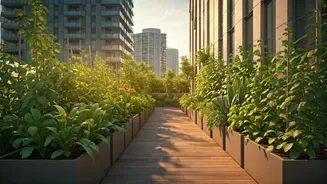
Beyond fresh lettuce, these farms bring a surprising number of benefits to the city itself. First, they help combat the ‘urban heat island’ effect, where concrete and asphalt absorb and radiate heat, making cities significantly hotter than surrounding rural areas. A rooftop covered in vegetation stays cooler. Second, many of these farms are remarkably water-efficient. Hydroponic systems, for instance, can use up to 95% less water than conventional soil-based agriculture because the water is recirculated instead of running off. They also provide green-collar jobs in the heart of the city and create a tangible connection for urbanites to where their food comes from, fostering a greater appreciation for fresh, healthy produce. They turn unused, barren space into productive, green infrastructure.
The Limits of High-Rise Farming
So, is the future of food all on rooftops? Not so fast. This model has real limitations. The startup costs for a high-tech greenhouse are immense, and the energy required to power lighting and climate control systems, especially in colder climates, can be substantial. This can offset some of the environmental benefits if the energy isn't from a renewable source. Furthermore, you can’t grow everything on a roof. Leafy greens, herbs, tomatoes, and peppers thrive in these environments, but staple crops like wheat, corn, and potatoes, which require vast amounts of land and are less perishable, are not practical or economical to grow this way. Rooftop farming is a powerful supplement to our food system, not a wholesale replacement for it.