

The Age of Edible Punishment
For the better part of a generation, “diet food” was a synonym for culinary penance. It was a world of subtraction, defined by what it lacked: fat, salt, sugar, and, most noticeably, joy. The heroes of this bland universe were rice cakes that tasted like
styrofoam, iceberg lettuce salads with fat-free dressing, and protein cooked in the most flavor-obliterating ways possible—poached, boiled, or steamed into submission. The underlying philosophy was simple and punishing: if you wanted to be healthy or lose weight, your food had to be boring. Enjoyment was seen as a dangerous indulgence, a slippery slope back to bad habits. This approach wasn't just depressing; for many, it was unsustainable, leading to cycles of restriction and eventual burnout.
Enter the Global Pantry
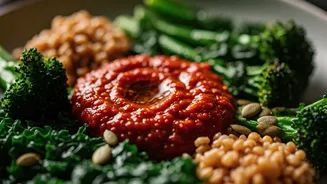
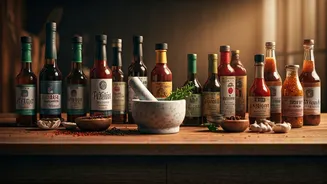
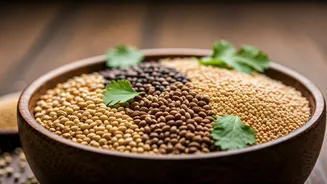
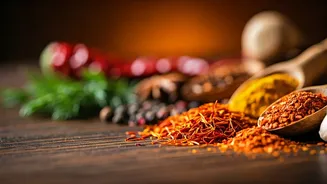
So, what changed? For starters, our palates got a passport. The rise of foodie culture and greater access to global cuisines completely rewired American expectations of flavor. Suddenly, home cooks weren’t just reaching for salt and pepper; they were exploring the smoky heat of chipotle peppers from Mexico, the funky, fermented depth of gochujang from Korea, and the bright, herbal complexity of za'atar from the Middle East. These ingredients weren't just tasty—they were inherently healthy, built on spices, herbs, and fermentation rather than processed fats and sugars. As our collective spice rack expanded, the idea that healthy food had to be bland started to seem not just outdated, but absurd. Why would you eat a plain chicken breast when you could marinate it in turmeric-spiced yogurt or top it with a fiery salsa?
When Health Food Got Instagrammable
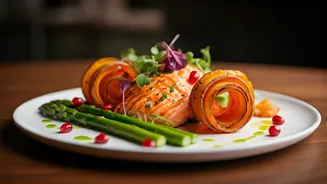
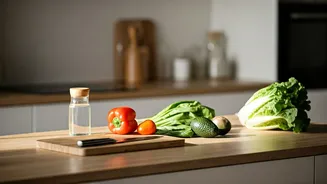
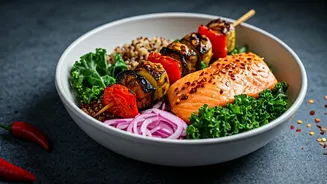
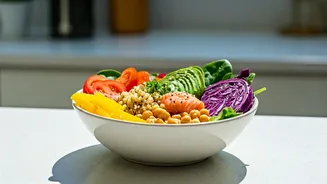
As our taste buds evolved, so did our eyes. The explosion of social media platforms like Instagram and TikTok turned every meal into a potential photo op. And let's be honest: beige food is boring content. A plate of steamed cauliflower and plain tofu doesn’t pop on a screen. But a bowl brimming with vibrant, colorful ingredients—roasted sweet potatoes, dark leafy greens, ruby-red pomegranate seeds, a swirl of golden tahini dressing—is visual catnip. Food creators and wellness influencers built entire brands on making healthy food look undeniably delicious. This visual pressure had a positive side effect: it forced a move toward more diverse, colorful, and texturally interesting ingredients, all of which naturally carry more flavor and nutrients.
From Weight Loss to Wellness
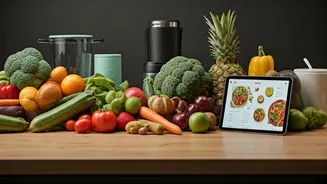
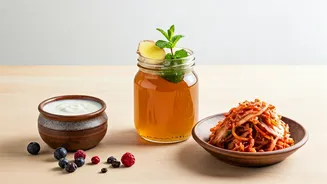
The conversation around health has also fundamentally changed. The narrow, obsessive focus on calorie counting and weight loss has given way to a more holistic concept of “wellness.” This broader approach values things like gut health, nutrient density, mental well-being, and sustainable habits. In this new paradigm, flavor is an asset, not a liability. Fermented foods like kimchi and kefir, prized for their probiotic benefits, are intensely flavorful. Nutrient-dense dark leafy greens are bitter and complex, not bland. The new goal isn’t to survive on as few calories as possible, but to nourish your body with satisfying, nutrient-rich foods that you actually want to eat long-term. Satisfaction became part of the equation.
The New Flavor-Forward Toolkit
Today, “flavor forward” isn't just about adding hot sauce. It’s a complete methodology. It means building flavor at every step, using techniques and ingredients that enhance food without relying on heaps of sugar or unhealthy fats. This includes generously using high-quality finishing oils, from robust extra-virgin olive oil to nutty toasted sesame oil. It’s about mastering techniques like roasting, charring, and grilling to create caramelization and depth. It’s stocking a pantry with powerhouse condiments: harissa, chili crisp, miso paste, and high-quality vinegars. And it’s embracing the power of fresh herbs, citrus zest, and alliums like garlic and onion as the foundational building blocks of every meal. The focus has shifted from what to remove to what to add.