
Master Your Mulch Game
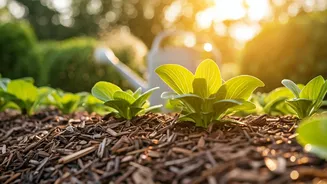
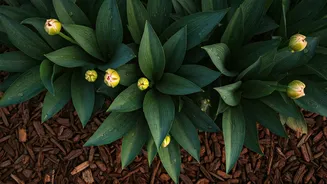
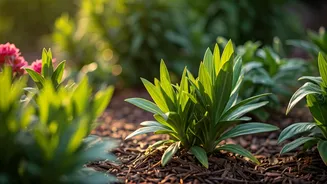
If you do only one thing this month, make it mulching. A two- to three-inch layer of organic mulch (like shredded bark, pine straw, or compost) is the single most effective preventative tool in your arsenal. First, it smothers existing weed seeds and
prevents new ones from germinating, saving you hours of back-breaking work in July's heat. Second, it acts as a sponge, retaining soil moisture and reducing the need for constant watering. As temperatures climb, this protective blanket keeps plant roots cool and stable. Finally, as organic mulch breaks down, it enriches the soil with valuable nutrients. Think of it less as a chore and more as an investment that pays dividends in water conservation, weed suppression, and healthier soil.
Water Smarter, Not Harder
The instinct in early summer is to give everything a light sprinkle every day. Resist it. This encourages shallow, weak root systems that are vulnerable to heat and drought. Instead, adopt the deep-watering method. Give your garden beds, trees, and shrubs a long, slow soak once or twice a week, depending on rainfall and soil type. The goal is to deliver water deep into the soil profile, encouraging roots to grow downward in search of moisture. This creates stronger, more resilient plants that can better withstand a mid-summer dry spell. Deep watering also helps prevent common fungal diseases like powdery mildew, which thrives on foliage that is constantly damp from frequent, shallow sprays.
Become a Pest Detective
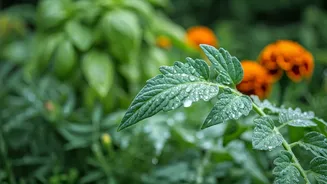
June is when the villains of the garden world begin to assemble. Aphids cluster on new growth, spider mites appear as fine webbing on leaf undersides, and the first Japanese beetles emerge to skeletonize rose and bean leaves. The key is to catch them before they call their friends. Take a five-minute walk through your garden every day with the specific goal of scouting for trouble. Look under leaves, check tender new stems, and inspect flower buds. If you spot a few pests, you can often manage them with a strong blast of water from the hose or by hand-picking them into a bucket of soapy water. This daily vigilance allows you to intervene early, often avoiding the need for chemical pesticides and preventing a small problem from becoming a full-blown infestation that ruins your harvest or blooms.
Win the War on Weeds Now
Weeds are more than just an eyesore; they are aggressive competitors for water, sunlight, and nutrients. What seems like a few harmless sprouts in early June can quickly become a sprawling, seeding menace by July. Every weed you pull now is one that won't produce hundreds or thousands of seeds, creating a much bigger problem for next year. After a rain is the best time to weed, as the damp soil releases roots more easily. For stubborn taproots, use a weeding tool to get the entire plant. Staying on top of weeds in June is a high-impact task that directly supports the health of the plants you actually want to grow.
Prune and Deadhead with Purpose
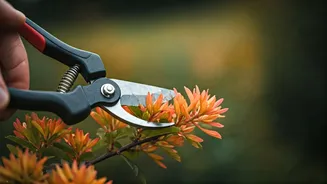
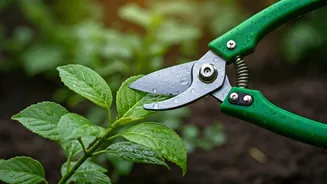
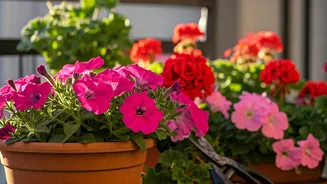
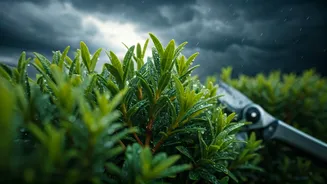
It’s time for a strategic haircut. For flowering plants like petunias, roses, and zinnias, 'deadheading'—pinching or snipping off spent blooms—redirects the plant's energy from making seeds to producing more flowers. It’s a simple trick that dramatically extends the blooming season. Beyond aesthetics, selective pruning is a preventative health measure. Trimming away crowded or crossing branches on shrubs and perennials improves air circulation through the plant, which is one of the best defenses against fungal diseases that thrive in stagnant, humid conditions. You can also snip off any leaves that show early signs of disease like black spot or powdery mildew to stop it from spreading.