
A Journey, Not Just a Ride
In an age of hyper-speed jets and bullet trains, the idea of a railway that averages a jogging pace of 6 miles per hour seems absurd. Yet, the Darjeeling Himalayan Railway—affectionately known as the “Toy Train”—is not about speed. It’s about savoring
the journey. For travelers planning trips to India, the little blue train is re-emerging as a must-do experience, a deliberate and beautiful rejection of modern haste. First opened in 1881, this narrow-gauge railway was designed to ferry passengers and goods from the plains of West Bengal up to the cool colonial hill station of Darjeeling. Today, its purpose has shifted. It’s a mobile piece of living history, a way to experience the Himalayas not as a destination to be conquered, but as a landscape to be absorbed. A ride on the Toy Train isn’t for getting from Point A to Point B quickly; it's for the traveler who understands that sometimes, the journey itself is the entire point.
An Engineering Marvel in the Clouds
The railway's charm is matched only by its incredible engineering. In 1999, UNESCO designated it a World Heritage site, recognizing it as an “outstanding example of a hill passenger railway.” Winding its way up nearly 7,000 feet of elevation over just 54 miles, the track relies on a series of ingenious loops and switchbacks (called “reverses” or “Z’s”) to navigate the steep, unforgiving terrain. There are no grand tunnels blasted through mountainsides; the railway was designed to work *with* the landscape, not against it.
One of the most famous sections, the Batasia Loop, is a double-spiral track that offers a breathtaking 360-degree panorama of Darjeeling with the snow-capped peak of Kanchenjunga—the world's third-highest mountain—looming in the distance on a clear day. Riding the train feels like witnessing a 19th-century engineering miracle still performing its daily magic.
Through Tea Gardens and Bustling Bazaars
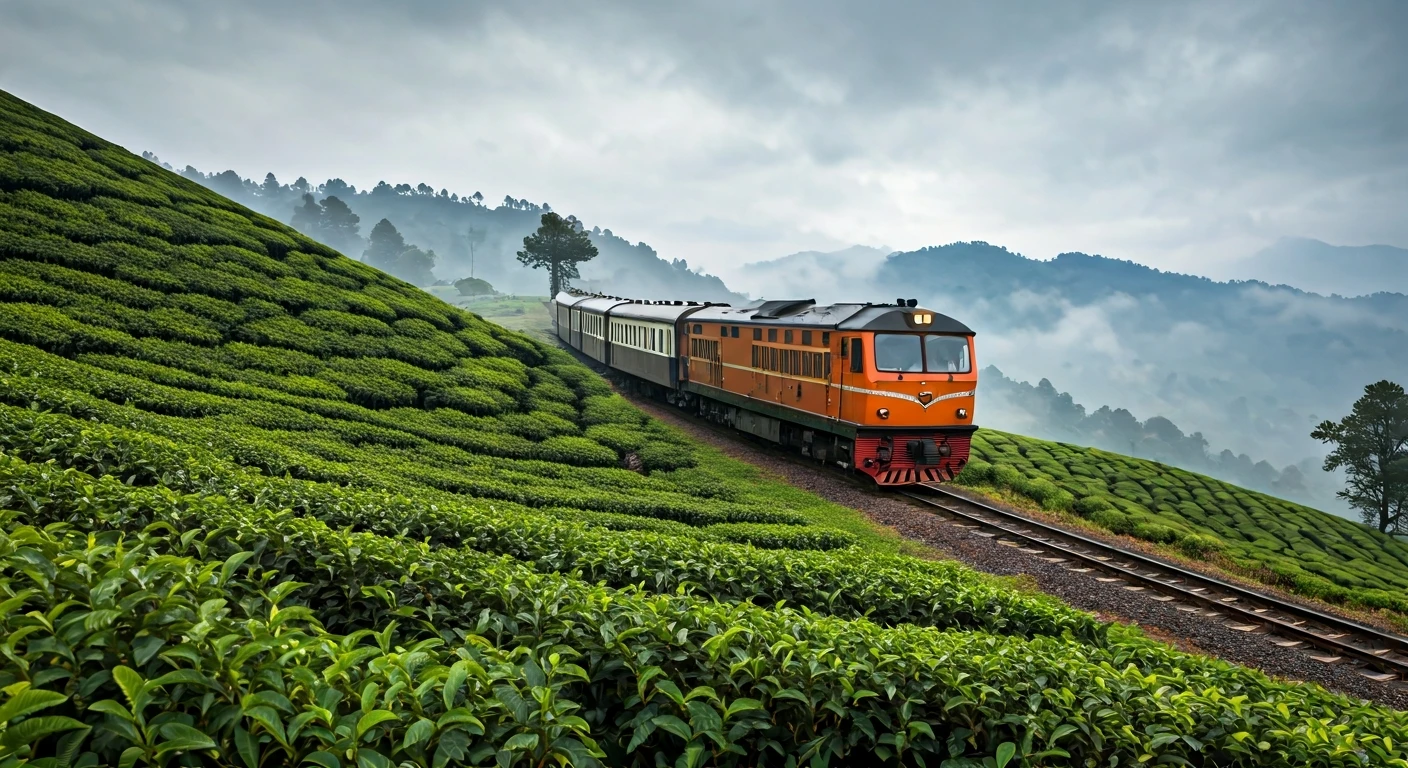
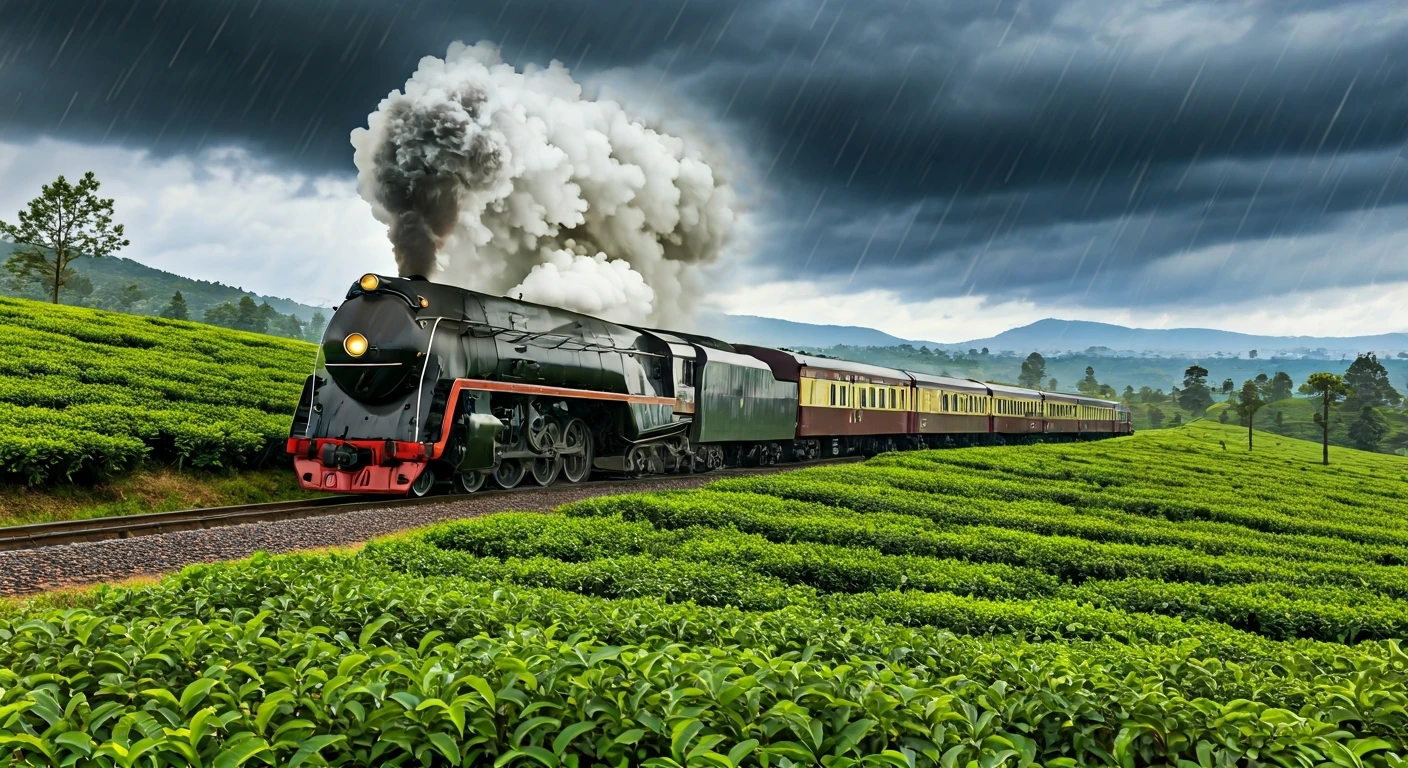
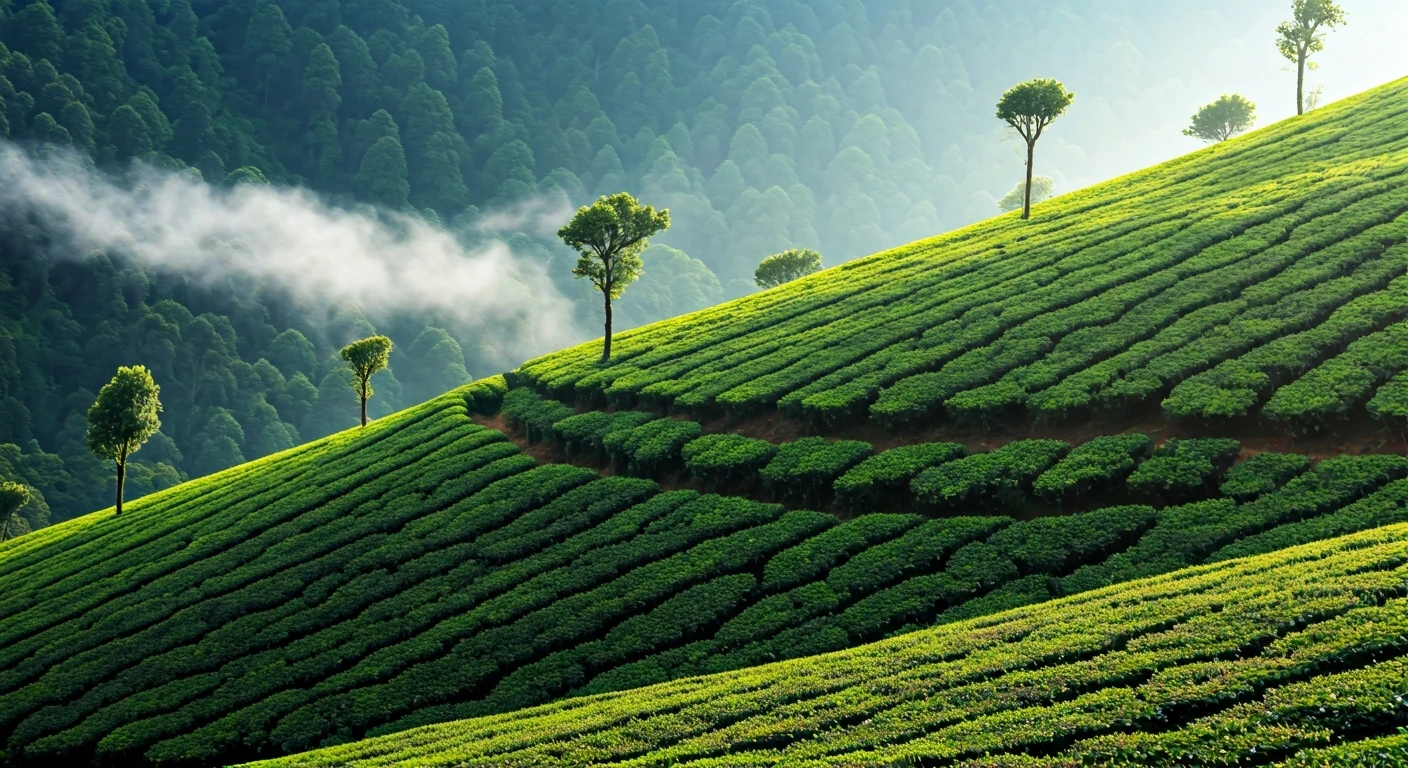
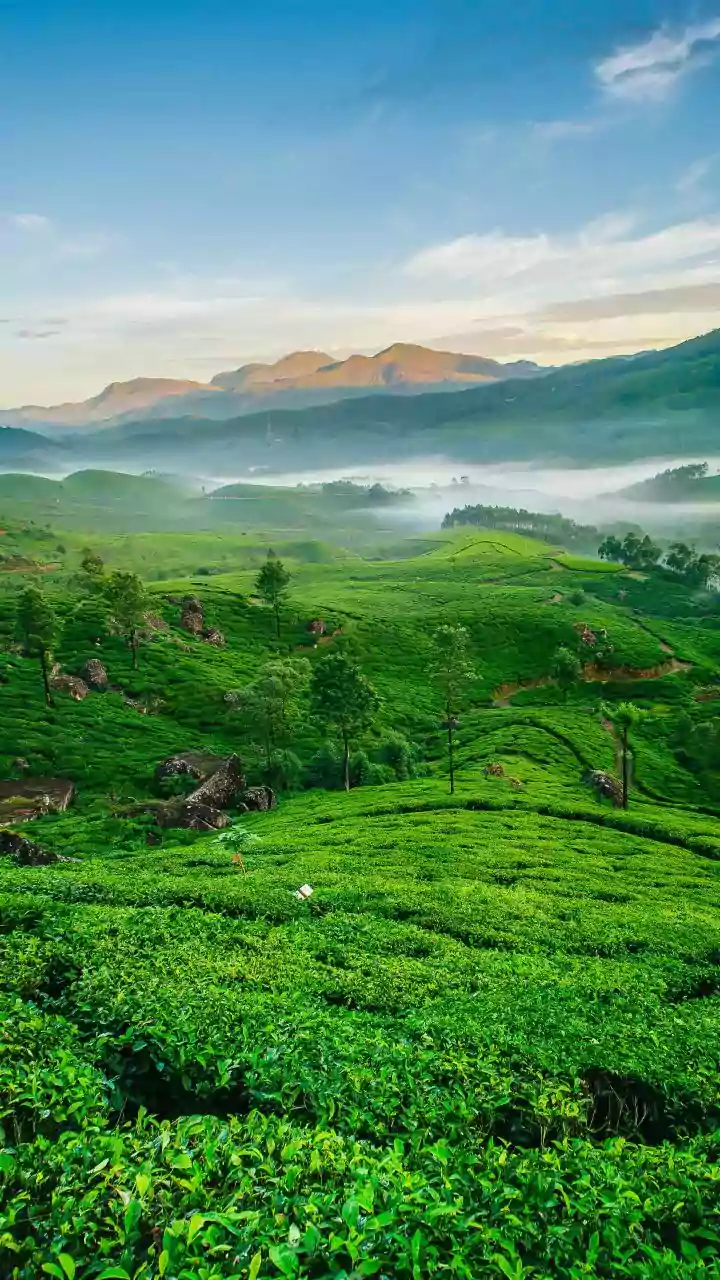
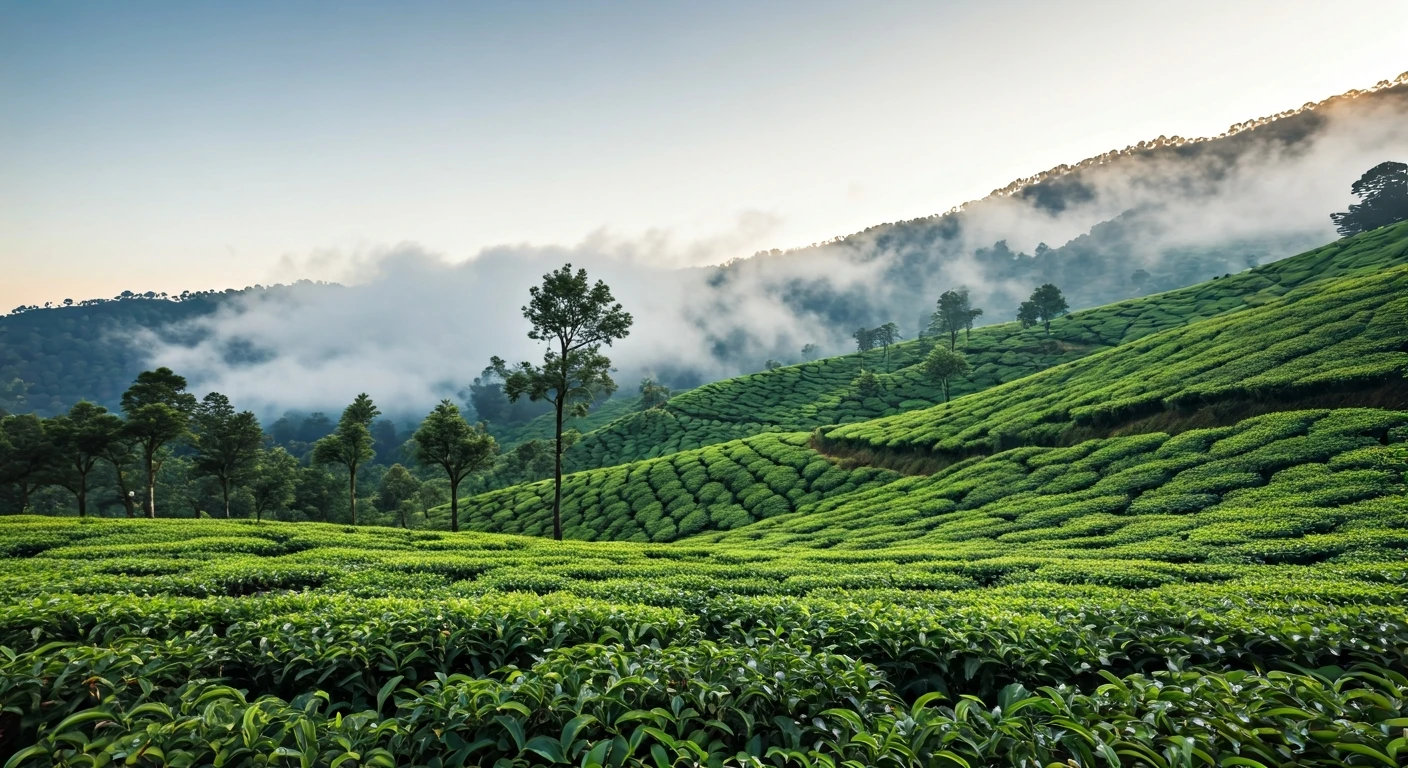
What truly sets the Toy Train apart is its intimate connection to the world it passes through. The two-foot-wide track runs so close to local life that you can almost reach out and touch it. The train chugs through the middle of bustling market towns, where shopkeepers pause their sales to watch it pass. It skirts the edges of verdant tea plantations, where workers pluck the famous Darjeeling leaves. Children run alongside the carriages, waving with infectious excitement.
This isn't a sanitized tourist bubble. The train is woven into the fabric of the community. Passengers get an unfiltered, slow-motion view of daily life—women washing clothes, vendors selling produce, friends chatting on stoops. The sounds and smells of the villages drift through the open windows, creating a sensory experience that’s impossible to replicate from a tour bus or a rental car.
Rediscovering the Joy of Slow Travel
So why is this century-old train suddenly popping up in travel forums and Instagram feeds again? The answer may lie in a collective yearning for something more authentic. After years of travel being restricted or rushed, there’s a growing movement towards slower, more meaningful experiences. The Toy Train is the poster child for this philosophy.
It’s an antidote to the frantic, checklist-driven vacation. It forces you to unplug, to look out the window, and to simply be present. In a world obsessed with efficiency, the Toy Train’s deliberate inefficiency is its greatest strength. It reminds us that travel can be about more than just seeing sights; it can be about reconnecting with a slower, more observant version of ourselves. It’s not just a memory of a bygone era; it’s an opportunity to create a new kind of travel memory for today.