

The End of ‘Roughing It’
For generations, the American idea of a nature retreat was tied to a certain level of charming discomfort. We accepted creaky floorboards, questionable plumbing, and a few friendly spiders as the price of admission for fresh air and starry skies. But
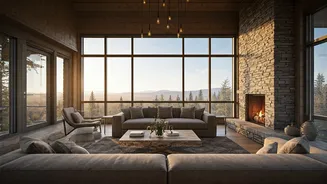
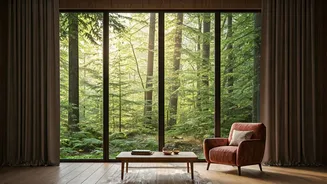
a fundamental shift is underway. Today’s travelers aren’t just seeking an escape *from* the city; they’re seeking a specific kind of restorative experience *in* nature. And that experience is increasingly expected to be comfortable, beautiful, and seamlessly designed. This isn't about being pampered, necessarily. It's about a new definition of wellness where our surroundings are integral to our mental state. The logic is simple: it’s easier to feel restored, mindful, and connected to the landscape when you’re looking at it through a floor-to-ceiling picture window from the comfort of a well-designed chair. The experience economy has taught us to value not just the place, but the feeling it evokes. As it turns out, the feeling of ‘drafty and damp’ is losing its appeal.
From Glamping to Architecture
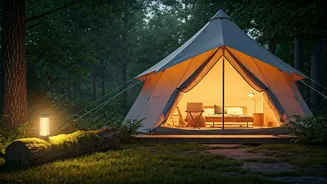
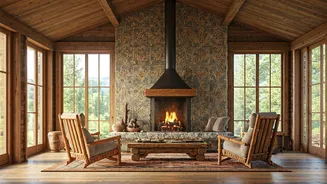
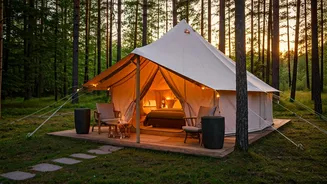
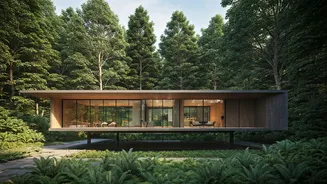
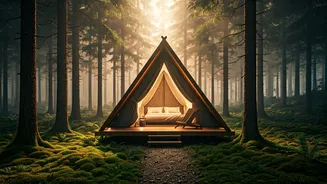
The seeds of this trend were planted by the glamping boom, which introduced the idea that you could sleep in a tent without sacrificing a high-thread-count sheet. But what we’re seeing now is the next evolution. It’s less about temporary luxury and more about permanent, thoughtfully designed structures that are destinations in themselves. We've moved from fancy tents to bona fide architecture. Companies and individual property owners are commissioning architects to create spaces that don’t just sit *in* the landscape but actively engage with it. This is the principle of biophilic design in action: using natural materials, maximizing natural light, and creating visual connections to the outdoors to improve well-being. The cabin itself is no longer just a base for hiking; it’s a key part of the therapeutic experience, designed to blur the line between inside and out.
The Curated Wilderness Experience
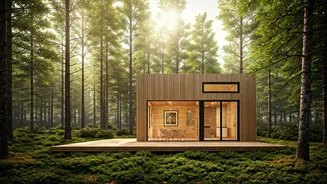
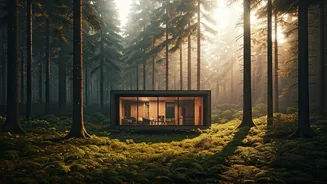
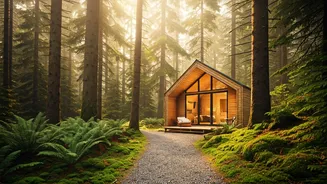
Perhaps no one has capitalized on this desire better than companies like Getaway, which offers stays in minimalist, identical cabins strategically placed in wooded areas outside major cities. The formula is brilliant in its simplicity: each compact cabin features a massive window overlooking the scenery, a comfortable bed, a small kitchen, and a curated selection of essentials. There’s no clutter, no distracting kitsch—just the necessities for a comfortable stay, framed by impeccable modern design. This model is about curating the wilderness. The big window acts like a living work of art, focusing your attention on the trees and the sky. By stripping away everything non-essential, the design encourages you to slow down and notice the environment. You get the mental benefits of being in nature without the logistical hassle of traditional camping or the unpredictable quality of a random rental.
Scandinavian Style in the American Woods
Walk into one of these new-wave nature escapes, and you might feel like you’ve been teleported to a forest in Norway. The dominant aesthetic is overwhelmingly inspired by Scandinavian and Japanese design principles: minimalism, functionality, and a deep respect for natural materials. Think light-toned woods, clean lines, black metal accents, and a neutral color palette that allows the vibrant greens and browns of the outdoors to take center stage. This isn’t a coincidence. The 'hygge' culture of cozy contentment and the Japanese concept of 'shinrin-yoku' (forest bathing) align perfectly with the goals of a modern retreat. The architecture becomes a tool for achieving that sense of peace. The focus is on quality over quantity—a single, perfectly crafted object is better than a room full of clutter. This less-is-more approach feels like a calming antidote to our overstimulated daily lives.