

The Undisputed Champion of Comfort
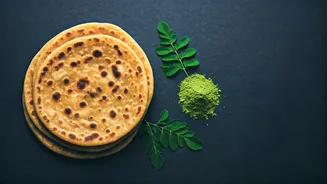
Whether it’s served plain with a dollop of yogurt, stuffed with spiced potatoes (aloo), or folded around paneer, the paratha is a cornerstone of home cooking across India, Pakistan, and beyond. Made from whole wheat flour (atta), water, and fat (like
ghee or oil), its magic lies in the technique: a process of folding and rolling that creates dozens of paper-thin, buttery layers. It’s the perfect vehicle for scooping up curries, the ideal breakfast on a lazy Sunday, and a nostalgic taste of home for millions. The beauty of the paratha is its versatility, a culinary canvas that has been adapted and perfected over generations. Its enduring appeal isn’t just about taste; it’s about the warmth and satisfaction packed into every single bite.
Meet Moringa, the 'Miracle Tree'
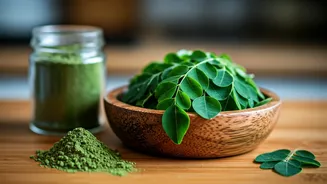
Enter moringa. If you’ve spent any time in a health food store or scrolling wellness blogs, you’ve likely seen this vibrant green powder. Derived from the dried leaves of the *Moringa oleifera* tree, native to parts of Asia and Africa, it’s often called the 'drumstick tree' or 'miracle tree' for its impressive nutritional profile. Unlike many fleeting superfoods, moringa has a long history of use in traditional medicine and cooking. The powder is packed with vitamins A and C, calcium, potassium, and iron, along with a host of antioxidants. Its flavor is distinct—earthy, slightly bitter, and often compared to spinach or matcha. It’s a potent ingredient, which means a little goes a long way, and its unique taste needs to be balanced carefully.
Why This Fusion Works So Well
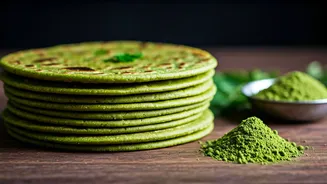
Adding a green powder to a beloved traditional bread might sound sacrilegious, but this combination is a surprisingly perfect match. The primary benefit is, of course, nutritional. You’re infusing a simple carbohydrate with a blast of vitamins and minerals, turning a satisfying meal into a genuinely nutrient-dense one. But it’s not just about health. The earthy, vegetal notes of moringa provide a beautiful counterpoint to the rich, buttery flavor of the paratha. It adds a layer of complexity that works especially well with savory fillings. Think of it like adding spinach to dough, but with a more concentrated flavor and nutritional punch. And let’s not forget the visual appeal: the moringa transforms the dough into a stunning, vibrant green, making your plate as beautiful as it is delicious.
Getting the Green Dough Right
The key to a successful moringa paratha is balance. You don't want the moringa's assertive flavor to overpower everything else. A good rule of thumb is to start small. For a standard recipe using about two cups of atta flour, begin by adding just one or two teaspoons of moringa powder. Sift the powder in with your dry flour to ensure it’s evenly distributed and you don't end up with bitter clumps. Because of its earthy taste, moringa pairs best with bold flavors. Enhance your dough with complementary spices like roasted cumin powder, ajwain (carom seeds), or a pinch of chili flakes. If you’re making a stuffed paratha, fillings with garlic, ginger, and onion will stand up to the moringa beautifully. The goal is harmony, where the moringa enhances the overall flavor profile rather than dominating it. Don't be afraid to taste the raw dough (just a tiny bit!) to check the balance before you start cooking.
Beyond the Paratha
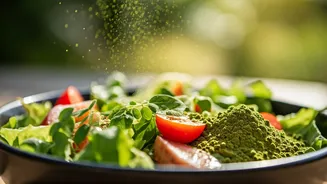
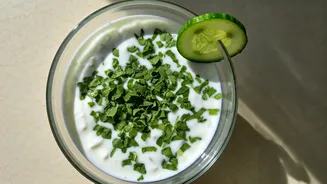
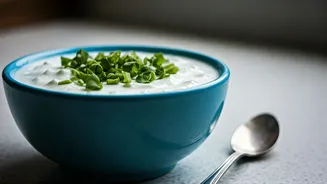
Once you’ve mastered the moringa paratha, you’ll see how easy it is to incorporate this green powder elsewhere in your kitchen. Its savory profile makes it an excellent addition to other familiar dishes. You can whisk a teaspoon into your morning scrambled eggs for a nutrient boost, stir it into a pot of dal or lentil soup for added depth and color, or even blend it into a green chutney or savory yogurt dip. Thinking of moringa not as a strange health supplement but as a versatile, spice-like ingredient opens up a world of culinary possibilities, allowing you to easily add a touch of green power to the foods you already love.