




It's Not a Fad, It's Heritage
In the U.S., diet trends often feel like they arrive from a lab, complete with branded shakes and complex rules about what you *can't* eat. The high-fiber movement gaining traction among Indian fitness creators is the polar opposite. It's not a new invention;
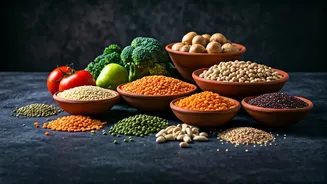
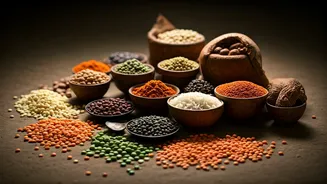
it's a rebranding of centuries-old dietary wisdom. Traditional Indian cuisine, with its vast array of lentils (dal), chickpeas (chana), millets (bajra, ragi), and vegetable-heavy dishes (sabzi), is naturally loaded with fiber. What influencers are doing is simply shining a modern, science-backed spotlight on the food they grew up with. They’re telling their audience that the building blocks for peak fitness aren't in an expensive imported powder but in the humble, home-cooked meals their grandmothers perfected. This approach feels authentic and accessible, tapping into a sense of cultural pride rather than deprivation.
The Science of Satiety and Gut Health
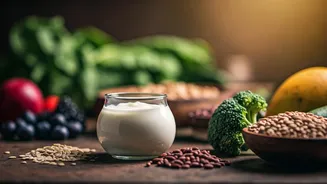
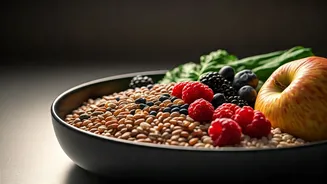
So, why the focus on fiber? While American diet culture has been obsessed with carbs and fats, Indian influencers are zeroing in on a nutrient that tackles several fitness goals at once. First, satiety. Fiber-rich foods are bulky and take longer to digest, which means they keep you feeling full and satisfied for hours. This is a game-changer for anyone trying to manage their weight without feeling constantly hungry. Second, blood sugar regulation. Soluble fiber, found in oats, beans, and lentils, slows the absorption of sugar, preventing the energy spikes and crashes that can lead to cravings. Finally, there's the wellness buzzword of the decade: gut health. Fiber is the preferred food for the trillions of good bacteria in your gut. A healthy gut microbiome is linked to everything from better digestion and a stronger immune system to improved mental health, making a high-fiber diet a holistic approach to well-being.
An Antidote to Restrictive Dieting
Perhaps the most compelling aspect of this trend is its philosophy of abundance over restriction. Western diets like Keto or Paleo often gain popularity by demonizing entire food groups—namely, carbohydrates. The Indian high-fiber approach does the opposite. It encourages *adding* more to your plate: more vegetables, more legumes, more whole grains. This psychological shift is massive. Instead of focusing on what you're losing, you're focused on what you're gaining in terms of nutrients, flavor, and satisfaction. For fitness creators, it’s a sustainable message that resonates deeply with an audience tired of yo-yo dieting. It frames healthy eating not as a temporary punishment to achieve a short-term goal, but as a permanent, enjoyable lifestyle.
What This Looks Like on a Plate
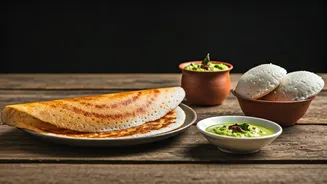
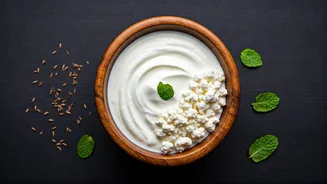
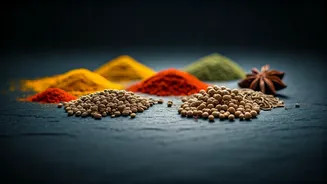
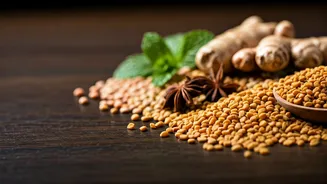
For an American audience, a "high-fiber diet" might conjure images of sad bran muffins or flavorless powders. In the Indian context, it’s a feast for the senses. A typical high-fiber meal isn't a specialty item; it's just a balanced, traditional plate. Imagine a bowl of flavorful lentil soup (dal), a side of spiced cauliflower and potatoes (aloo gobi), and a piece of whole-wheat flatbread (roti) for scooping. Or picture a breakfast of savory oatmeal (masala oats) or fermented rice and lentil cakes (idli). Even snacks are fiber-forward, like a handful of roasted chickpeas or a fresh vegetable salad with lemon and spices (kachumber). The key is the synergy of whole foods, enhanced with anti-inflammatory spices like turmeric and ginger, creating meals that are as delicious as they are functional.