




Beyond the Bucket List
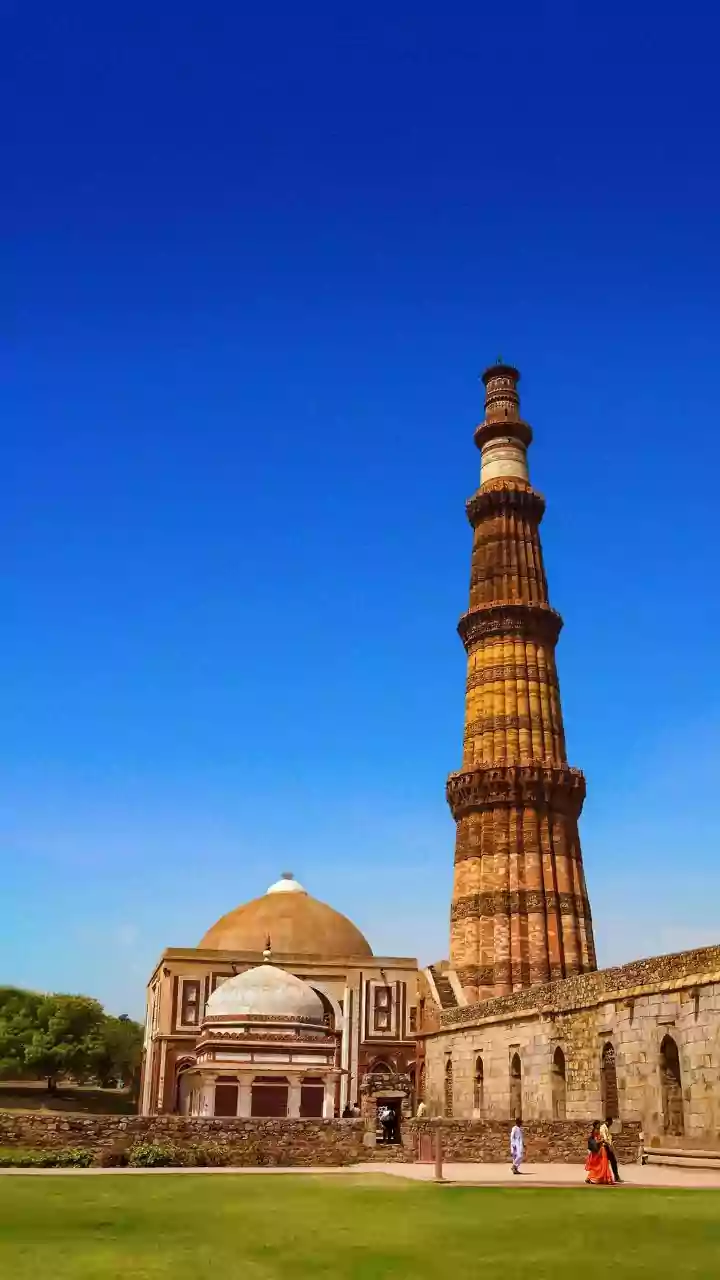
For decades, domestic tourism in India often meant one of two things: a religious pilgrimage or a frantic, checklist-driven tour of famous monuments. The goal was to ‘do’ a place, take the photo, and move on. But a significant shift is happening. A new
generation of Indian travelers is redefining what a vacation means. They are swapping selfie sticks and jam-packed itineraries for immersive experiences that respect local culture and the environment. This isn't about shunning iconic sites entirely, but about changing the approach. Instead of a whirlwind tour, it’s about spending a few days in one place, understanding its rhythm, and leaving it better—or at least no worse—than they found it. The new ‘cool’ is not just saying you’ve been to Rajasthan, but that you learned block-printing from a local artisan in a small village, stayed in a restored haveli that employs the community, and avoided single-use plastics along the way.
The Post-Pandemic Push
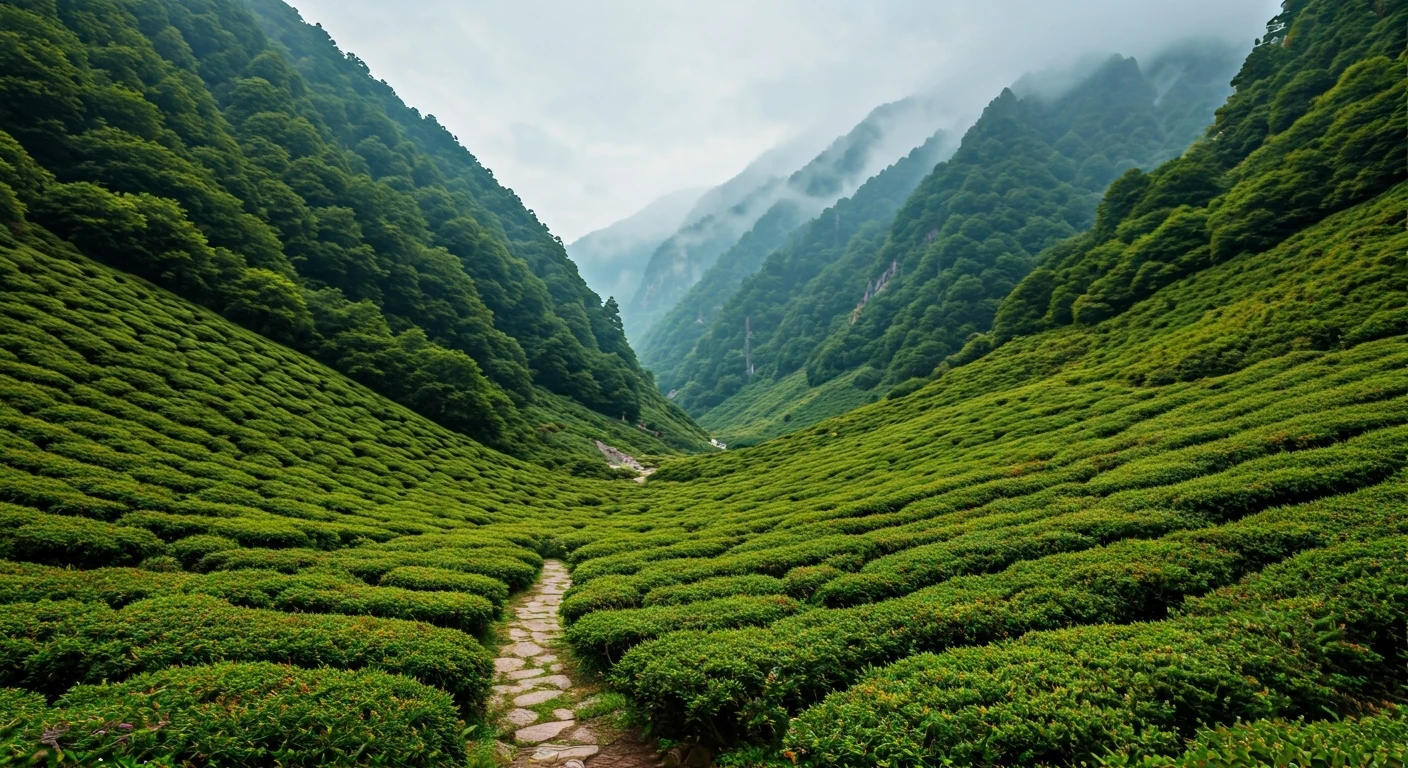
While the seeds of this movement were planted pre-2020, the pandemic acted as a powerful accelerator. With international borders closed, millions of urban Indians, tired of being cooped up, discovered their own country. But they weren't just looking for an escape; they were craving connection and open spaces. This led them away from the over-developed, crowded tourist towns and toward remote, offbeat destinations. Suddenly, homestays in the Himalayan foothills of Uttarakhand, eco-lodges in the coffee plantations of Coorg, and community-run tourism projects in the northeast became sought-after destinations. The travel narrative on social media began to change. Instead of just glamorous infinity pools, Instagram feeds started featuring misty mountain hikes, meals made with farm-to-table ingredients, and portraits of local hosts. This digital validation has been crucial in making sustainable choices aspirational and trendy for a wider audience.
Driven by a New Generation
At the heart of this trend are young, upwardly mobile Indians. They are more globally aware, environmentally conscious, and digitally connected than any generation before them. They’ve seen the damage over-tourism has caused in places like Venice and Barcelona and are witnessing it firsthand in their own Himalayan hill stations, where water shortages and garbage crises have become annual problems. For them, responsible travel is a form of quiet activism. It's a conscious choice to spend their money in a way that supports local economies directly, rather than large, impersonal hotel chains. They use platforms and influencers who champion slow travel, book with startups that vet properties for their environmental credentials, and are willing to trade conventional luxury for the authentic luxury of a unique, low-impact experience. This mindset is forcing the entire industry to adapt, with even larger players now highlighting their sustainability initiatives.
What Responsible Travel Looks Like
In the Indian context, responsible travel manifests in several ways. It’s about choosing a homestay where the host family benefits directly, rather than an anonymous resort. It’s about participating in workshops—pottery in Himachal, weaving in Nagaland—that help preserve traditional crafts. It’s about conscious waste management, a critical issue in a country struggling with public infrastructure. Many travelers now carry their own water bottles and cutlery and prioritize establishments that have banned single-use plastics. Furthermore, it’s about social responsibility. This includes respecting local customs, especially in remote or tribal areas, and ensuring that tourism doesn't disrupt the social fabric. It's a move away from the transactional nature of tourism and toward a more relational, respectful engagement with people and places. It’s the difference between seeing a village as a photo-op and seeing it as a living community.