




1. Ou Tenga (Elephant Apple)
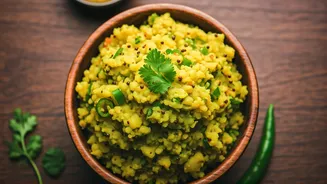
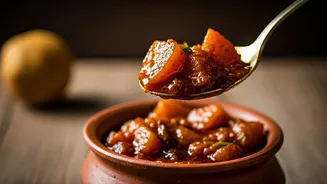
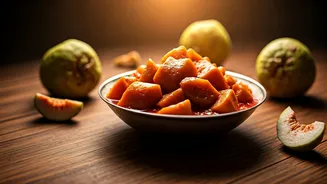
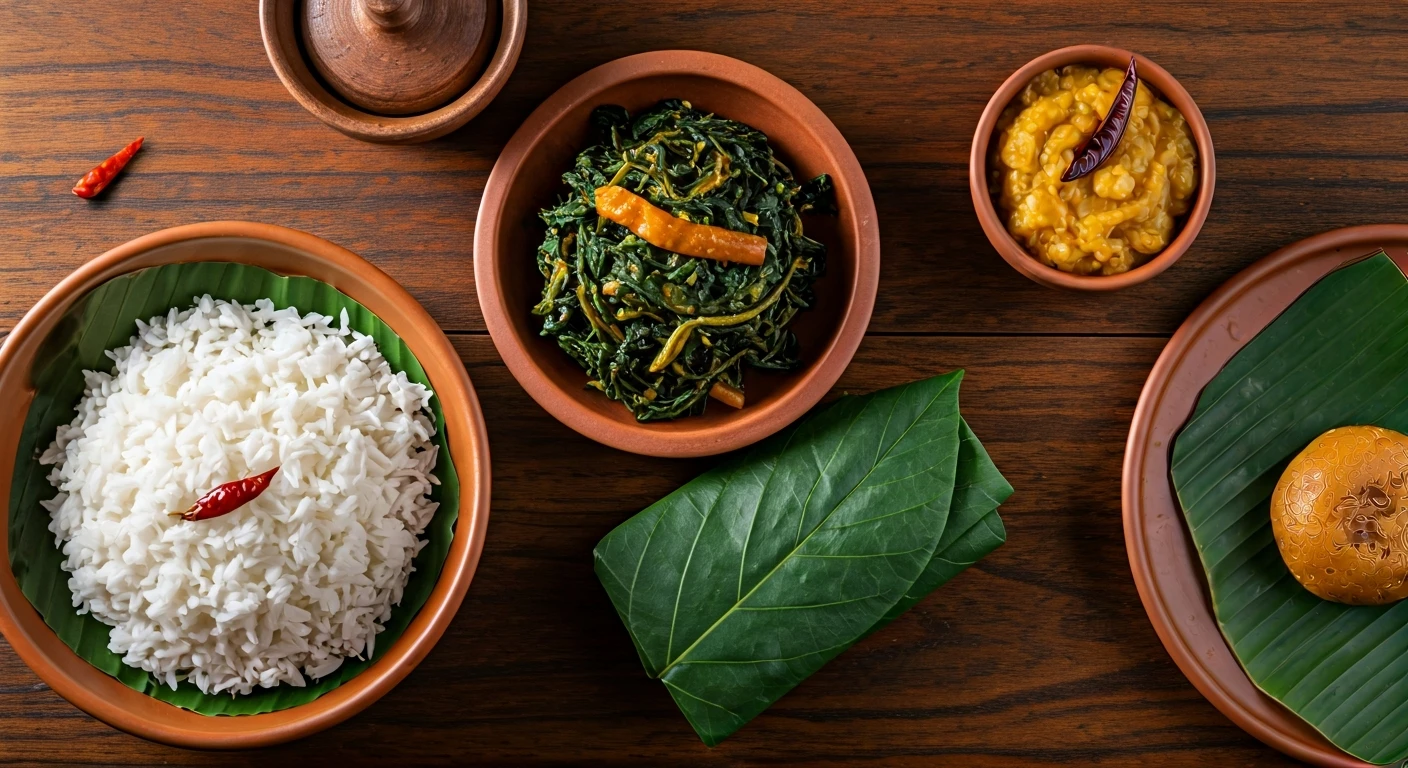
Imagine a flavor that’s purely, exhilaratingly sour. That's Ou Tenga. This large, green, woody fruit isn’t eaten raw but is prized for its fleshy petals, which are sliced and added to dals and fish curries. During the Magh Bihu harvest festival, a celebratory
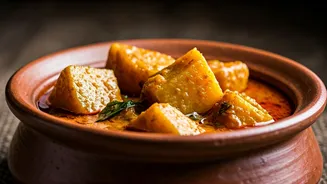
feast often includes 'Masor Tenga,' a tangy fish curry that gets its signature tartness from elephant apple. The sourness isn't sharp like a lemon; it’s a deeper, more resonant tang that beautifully cuts through the richness of river fish and mustard oil, making it the cornerstone of Assamese comfort food.
2. Dhekia Xaak (Fiddlehead Fern)
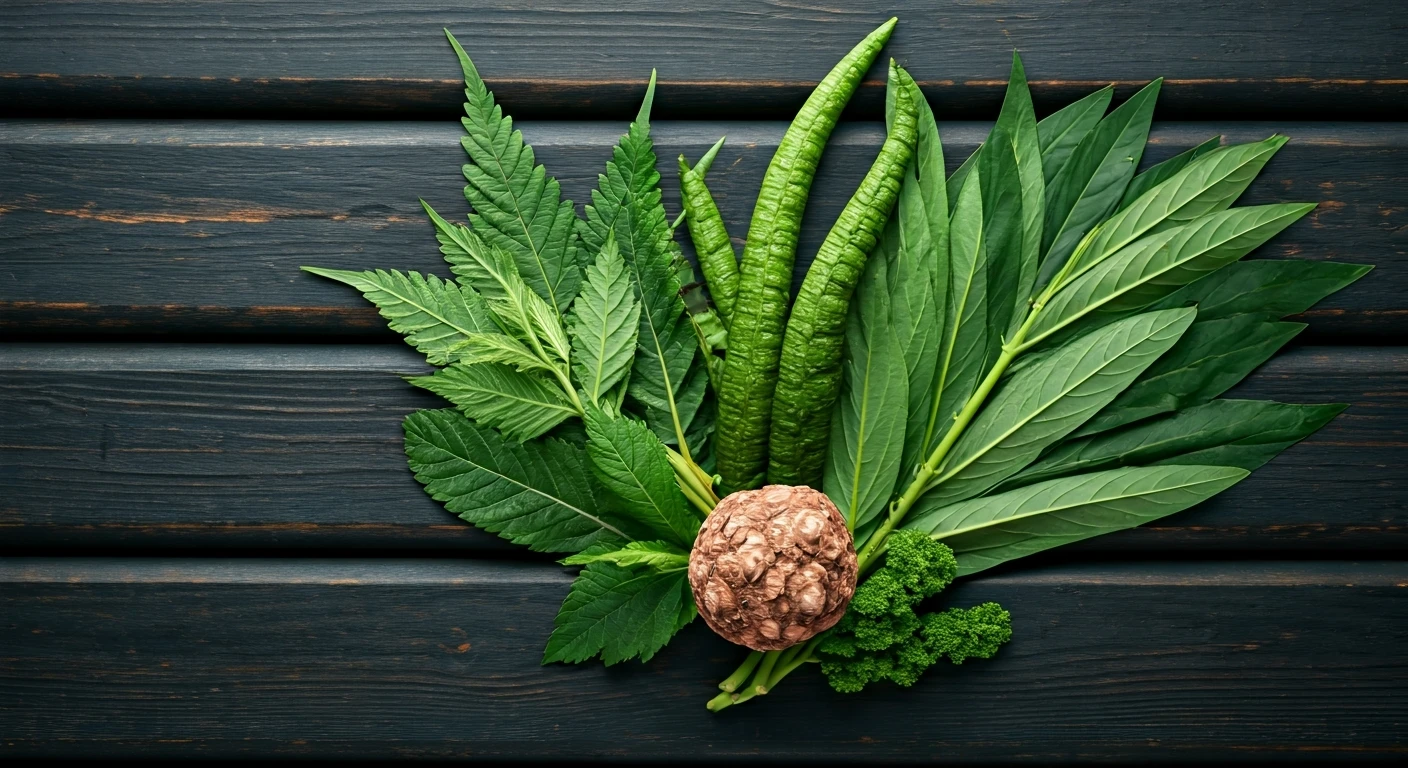
If you’ve only seen fiddlehead ferns on a high-end restaurant menu in the spring, you’re missing out on their true home. In Assam, Dhekia Xaak is a staple, especially during the Bohag Bihu festival, which celebrates the new year. These coiled fronds of a young fern have a crisp texture and a taste that’s a mix between asparagus, green bean, and a hint of the forest floor. They are rarely overcomplicated. A simple stir-fry with a touch of garlic, ginger, and maybe a small shrimp or two is all that’s needed to let their fresh, green flavor shine. It’s a taste of the season itself.
3. Bhedailota (Skunk Vine)
Don’t let the name scare you. Yes, the leaves of this wiry vine have a notoriously strong, sulfurous aroma when crushed (hence the “skunk” moniker). But when cooked, that pungency transforms into a deeply savory, almost garlicky flavor that is utterly unique. Assamese cooks masterfully balance it in dishes like 'Bhedailota Bor,' or fritters, where the chopped leaves are mixed with rice flour and spices before being deep-fried. The result is a crispy, addictive snack with a complex, herbaceous kick. It’s a testament to the local genius for turning a powerful ingredient into a delicacy.
4. Manimuni (Asiatic Pennywort)
Valued for both its culinary and medicinal properties, Manimuni is a small, round-leafed herb that grows wild across Assam. Unlike more aggressive herbs, its flavor is mild, slightly bitter, and refreshingly cool—somewhat like a more interesting version of parsley. It's often ground into a fresh chutney or 'Bota,' blended with garlic and chili, and eaten with a plate of plain rice to start a meal. This simple preparation is believed to aid digestion and cool the body, making it a perfect, gentle counterpoint to the richer dishes served during festival feasts.
5. Xukoti (Dried Fish)
While not technically an herb, Xukoti functions as a powerful flavoring agent that’s indispensable to many regional dishes. Small river fish are salted and sun-dried until they become intensely pungent and packed with umami. A tiny piece can transform a simple vegetable dish or chutney, lending it a smoky, salty, and deeply savory dimension that can’t be replicated. During community feasts, a dish flavored with Xukoti signals a truly traditional and authentic meal, its powerful aroma a nostalgic call to home for many Assamese people.
6. Khorisa (Fermented Bamboo Shoot)
Fermentation is an art form in Assam, and Khorisa is its most famous product. Tender bamboo shoots are grated, packed into containers, and left to ferment, developing a sour, pungent, and utterly addictive flavor. It’s used as a condiment, a pickle, and a core ingredient in pork and fish curries. A dish like 'Gahori Manxho Khorisa' (pork with fermented bamboo shoot) is a festive showstopper. The Khorisa’s acidity cuts through the fat of the pork, creating a perfectly balanced dish that is the heart and soul of Assamese celebratory eating. It’s a flavor that’s bold, complex, and unforgettable.