

The Antidote to Over-Tourism
Imagine the classic mountain town fantasy: crisp air, snow-dusted peaks, cozy cafes, and the scent of pine. Now, add shoulder-to-shoulder crowds, traffic jams on winding roads, and a constant hustle. For many popular Himalayan destinations, like nearby
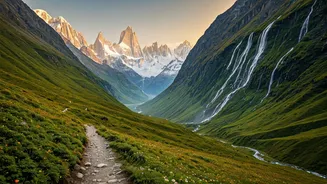
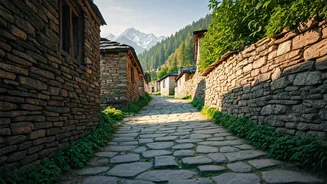
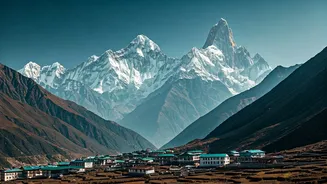
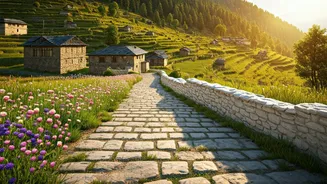
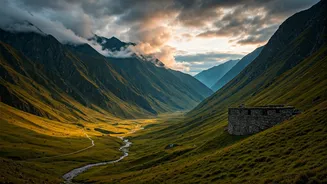
Manali, this has become the reality. Naggar, perched on a hillside overlooking the Beas River, is the antidote. Located just 13 miles south of Manali in the Indian state of Himachal Pradesh, it exists in a different, slower dimension. It’s the kind of place you go not just to see the mountains, but to hear them. Here, the soundtrack is birdsong and wind whistling through deodar cedar forests, not the constant honking of horns. For the American traveler seeking an authentic, serene base for Himalayan exploration, Naggar provides the views without the pandemonium.
A Castle with a Past
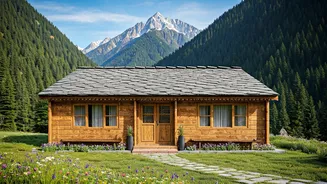
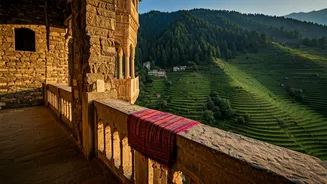
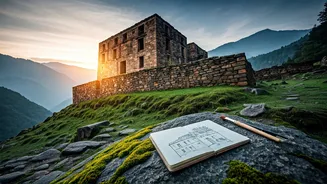
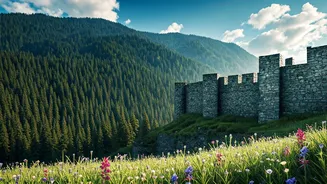
The heart of the village is Naggar Castle, a formidable structure of stone and timber that feels ripped from a fantasy novel. Built around 1460, it served as the seat of the Kullu kingdom for over 1,400 years before the capital was moved. Today, it’s a heritage hotel and museum, and stepping through its gates is like stepping back in time. The architecture, a local style known as Kath-Kuni, uses interlocking wooden beams and stones without mortar, designed to withstand earthquakes. You can wander its creaking wooden balconies, which offer jaw-dropping panoramic views of the Kullu Valley and the distant snow-capped peaks of the Dhauladhar range. It’s here, sipping a chai from the castle’s small cafe, that you realize Naggar’s appeal: history you can touch, combined with a vista that leaves you speechless.
An Artist's Himalayan Muse
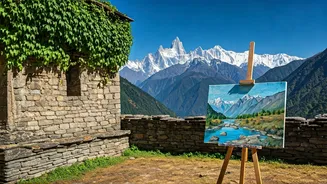
Naggar’s soul isn't just in its royal history; it's also steeped in art and spirituality. Its most famous resident was Nicholas Roerich, a Russian artist, writer, and philosopher who settled here in 1929 after extensive expeditions through Asia. He fell so in love with the landscape that he made Naggar his permanent home until his death in 1947. His former residence is now the Roerich Art Gallery, a must-visit. The gallery showcases his stunning, ethereal paintings of the Himalayas, which seem to capture the very spirit of the mountains in vibrant blues, purples, and pinks. Visiting his preserved studio, you can almost feel the creative energy that this tranquil setting inspired. The gallery adds a layer of cultural depth to Naggar, transforming it from a simple mountain village into a place of profound artistic legacy.
Beyond the Balconies: Trails and Temples
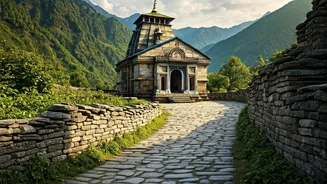
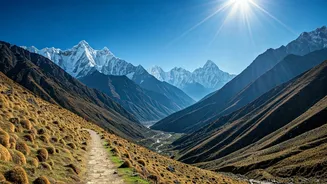
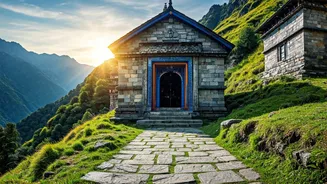
While Naggar is perfect for quiet contemplation, it’s also an excellent base for active travelers. The village is a starting point for numerous treks, from gentle day hikes to more challenging multi-day excursions. A short, pleasant walk through the forest will take you to the ancient Tripura Sundari Temple, with its intricate woodwork and pagoda-style roof, or the Gauri Shankar Temple, dedicated to Lord Shiva. For more serious hikers, trails lead to the Chanderkhani Pass and the remote village of Malana. Unlike the commercialized activity hubs elsewhere, the experience here is more personal and raw. You're more likely to share the path with a local shepherd and his flock than with a large tour group. This is what it means to explore the mountains on their own terms, finding solitude and stunning beauty around every bend.