
Let the Light In
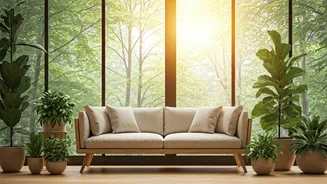
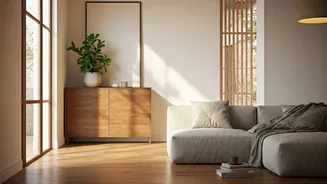
The single most important element of a nature-inspired home is natural light. It connects us to the rhythms of the day, boosts mood, and makes any space feel more open and alive. Before you buy a single new item, assess your light situation. Ditch heavy,
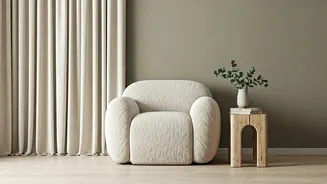
dark curtains for sheer linen or lightweight blinds that diffuse light without blocking it. Keep windows clean and unobstructed. If a room is naturally dark, strategically placed mirrors can bounce light around, amplifying what little you have. Think of sunlight as a dynamic design element that changes throughout the day, painting your walls with different tones and shadows.
Invite In Some Greenery
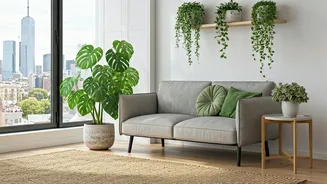
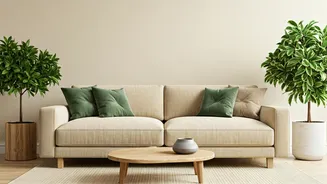
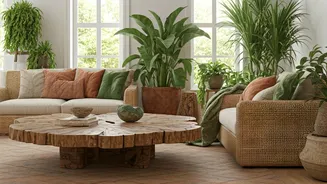
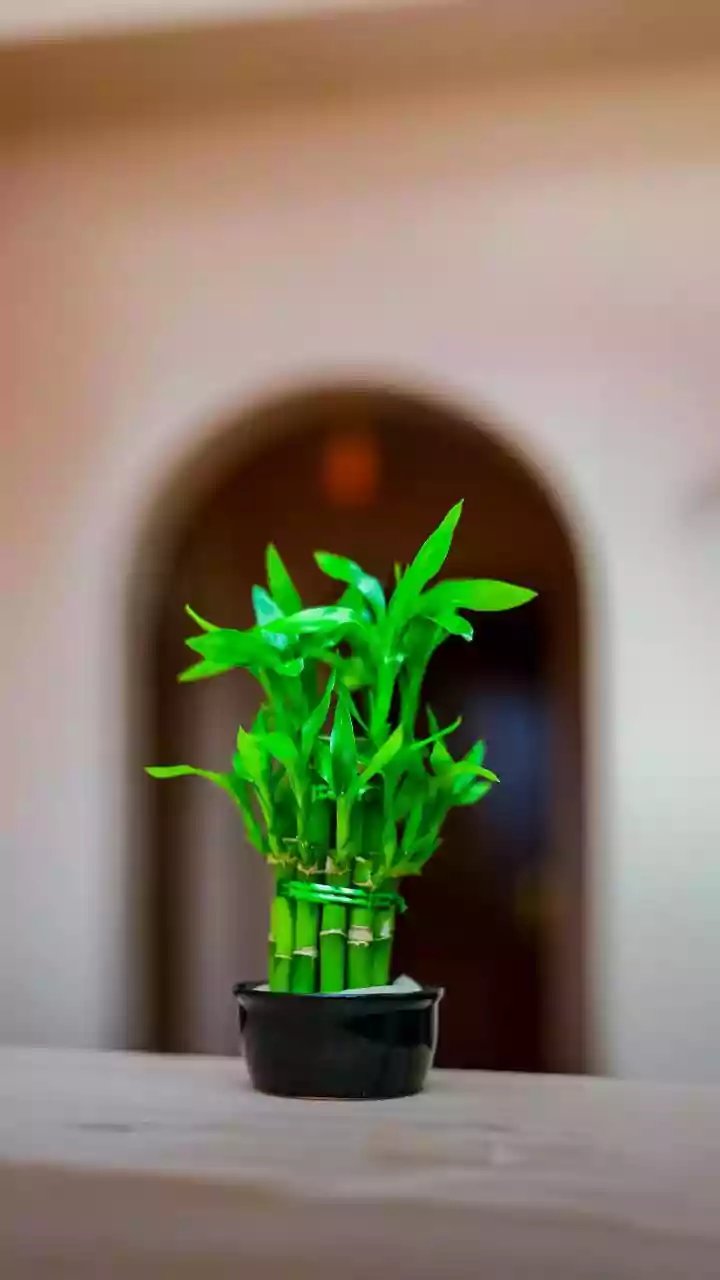
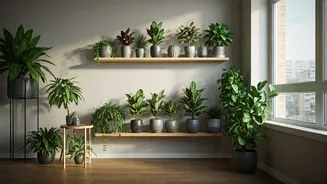
The most literal way to bring nature indoors is with houseplants. They are living sculptures that purify the air and add a vibrant, organic touch to sterile corners. You don't need a jungle to feel the effect. Start with a few low-maintenance options like snake plants, ZZ plants, or pothos. Consider scale and placement: a large fiddle-leaf fig can anchor a living room corner, while a collection of small succulents can bring life to a bookshelf. A hanging plant, like a string of pearls, adds vertical interest and softness. Caring for plants also creates a gentle, nurturing routine, further deepening your connection to the natural world.
Embrace Natural Materials
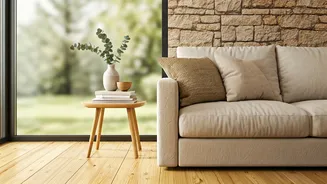
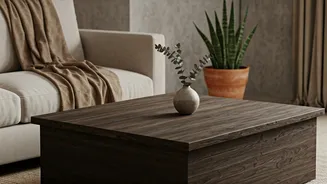
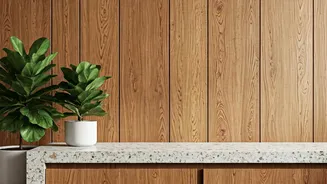
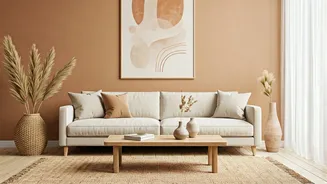
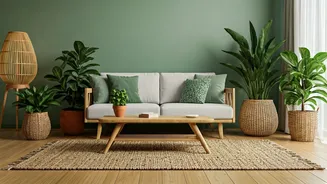
Look around your home. How many surfaces are plastic, laminate, or synthetic? Swapping even a few of these for natural materials can have a profound impact. Think wood, stone, bamboo, rattan, wool, cotton, and linen. These materials have textural and visual imperfections that make them feel authentic and grounding. A solid wood coffee table, a jute rug underfoot, a chunky wool throw on the sofa, or slate coasters are all simple ways to start. These elements engage our sense of touch and evoke the feeling of being in nature, a stark contrast to the slick, uniform surfaces of modern technology.
Adopt an Earthy Color Palette
Color is a powerful tool for setting a mood. To create a soothing, natural environment, draw your palette from the outdoors. This doesn't mean everything has to be beige. Think of the rich, varied colors of a forest, a coastline, or a desert at sunset. Soft greens, deep blues, warm terracottas, sandy tans, and stone grays all work beautifully. You can use them on walls, in textiles, or through decorative objects. These colors feel inherently calming because they are familiar to us on a primal level. They provide a restful backdrop for daily life, free from the jarring visual noise of overly bright, artificial hues.
Incorporate Natural Shapes and Patterns
Nature rarely deals in straight lines and perfect right angles. Look for opportunities to introduce organic shapes and patterns that mimic the natural world. This could be a round dining table, a sofa with soft curves, or a mirror shaped like a pebble. In terms of patterns, think beyond simple florals. Botanical prints, marbled patterns that resemble stone, or textiles with subtle, irregular stripes can add visual interest without overwhelming the senses. These forms break the monotony of the boxy rooms we live in, creating a space that feels more fluid, gentle, and welcoming.
Frame Your Natural Views
If you are lucky enough to have a window with a view of a tree, a garden, or the sky, treat that view like a piece of art. Don’t block it with poorly placed furniture. Instead, arrange your seating to take advantage of it. A comfortable armchair and a small table placed by a window can become a perfect nook for reading or enjoying a morning coffee. This is what designers call a 'refuge' space—a protected spot where you can look out onto a wider scene. This simple act of appreciating the view reinforces your connection to the outside world and the changing seasons, making your home feel like a part of a larger ecosystem.