




The Hidden Real Estate Under Your Patio
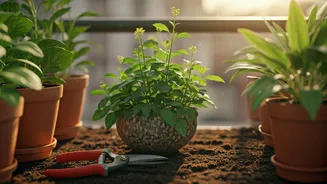
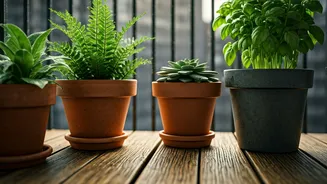
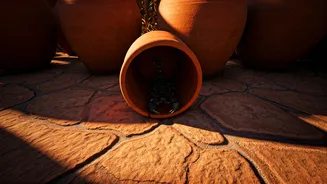
To us, the underside of a terracotta pot is just dirt and concrete. To a scorpion, black widow, or centipede, it’s a five-star resort. This dark, damp, and protected space offers a perfect refuge from the blistering pre-monsoon heat. As humidity levels
begin to rise in late spring and early summer, these creatures become more active, seeking moisture and mates. Your potted plants, with their regular watering schedule, create ideal microclimates. When you go to move that ficus or rearrange your succulents, you might be disturbing a long-term tenant who is not happy about the eviction. This is why the simple act of lifting a pot becomes one of the highest-risk activities in a pre-monsoon yard, turning a routine gardening chore into a potential encounter with a venomous pest.
Know Your Unwanted Neighbors
The two primary residents you need to watch for are bark scorpions and black widow spiders. The Arizona bark scorpion is the most venomous scorpion in North America. They are small, light-brown, and can climb virtually any surface, including walls. They often congregate in groups, so finding one can mean others are nearby. Black widow spiders are infamous for their potent venom and signature red hourglass marking on the female's abdomen. They build messy, irregular webs in dark, undisturbed corners—like the lip of a pot or the space beneath it. Both of these pests are nocturnal, but the increased humidity and eventual rain of the monsoon can drive them out of their hiding spots and even into your home in search of drier ground. Being able to identify them is the first step toward avoiding them.
Your Pre-Monsoon Safety Protocol
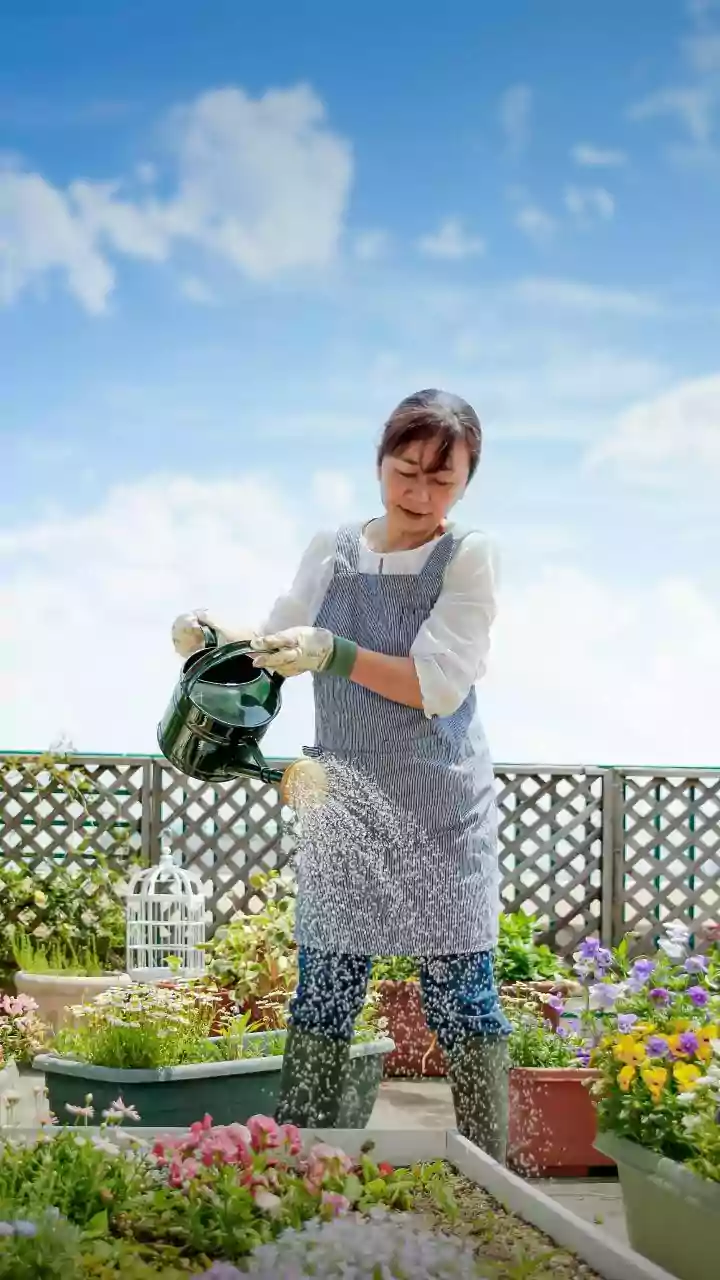
Adopting a safety-first mindset is crucial. Never grab a garden pot with your bare hands, especially if it’s been sitting for a while. Always wear thick leather or rubber-coated gardening gloves—not thin cotton ones that a stinger can easily penetrate. Before lifting, use a long stick or a trowel to tip the pot toward you, exposing the underside from a safe distance. This gives any occupants a chance to scatter and allows you to inspect the area visually before placing your hands anywhere near it. Similarly, when picking up bags of soil, watering cans, or empty planters, give them a good shake and a quick visual check. It’s a simple habit that takes only a few seconds but can prevent a painful sting or bite.
Expanding the Search Beyond Pots
While pots are a primary hotspot, they aren’t the only ones. Apply the same caution to all potential pest hideouts in your yard. This includes woodpiles, stacks of bricks or pavers, landscape timbers, and piles of yard debris. Check children’s toys, sandals, or gardening shoes that have been left outside before using them. Scorpions, in particular, love to hide in shoes. Get in the habit of knocking your shoes out before putting them on if they’ve been left in a garage or on a patio. Also, inspect the area around your pool pump and filter equipment, another location that provides shelter and moisture. The goal is to eliminate as many surprise encounters as possible by assuming any dark, sheltered spot could be occupied.
Making Your Yard Less Inviting
The best defense is to make your property less attractive to these pests in the first place. Start by cleaning up. Remove unnecessary clutter like old lumber, leaf piles, and unused equipment from around your home’s foundation. Scorpions feed on crickets, roaches, and other insects, so controlling the general bug population can help. Fix leaky faucets or irrigation systems to reduce excess moisture. Finally, inspect the exterior of your home. Use caulk to seal any cracks in the foundation, around pipes, or in window and door frames to prevent pests from seeking refuge inside your house once the rains begin. A tidy, well-sealed yard is a safer yard.