


The Supplement Paradox
Let’s be honest: the world of dietary supplements can feel like the Wild West. With thousands of products making bold claims and a relative lack of FDA oversight for efficacy, it’s easy to spend a small fortune on powders and pills without knowing if
they’re actually working. We’ve been conditioned to seek health in isolated, concentrated forms—a capsule of turmeric extract, a scoop of powdered greens, a tablet of vitamin C. This reductionist approach misses a crucial point that older food cultures have always understood: nutrients work best together, in their natural, food-based state.
Kitchen Pharmacy: Turmeric and Ginger
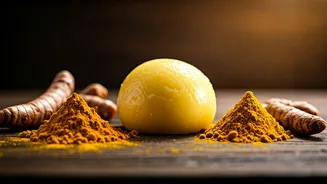
Turmeric is the perfect example. The supplement industry has fixated on its active compound, curcumin, marketing it in high-potency capsules for its anti-inflammatory properties. Yet, in a traditional Indian kitchen, turmeric is rarely used alone. It’s almost always cooked in fat (like ghee or oil) and combined with black pepper. Science is now confirming why: fat and a compound in black pepper (piperine) dramatically increase the body's ability to absorb and use curcumin. The same goes for ginger, a staple prized for its digestive and anti-nausea benefits. Rather than a powdered capsule, enjoying it fresh in a fragrant curry or a cup of chai delivers its soothing compounds in a form your body recognizes and can easily use.
The Humble Power of Lentils and Legumes
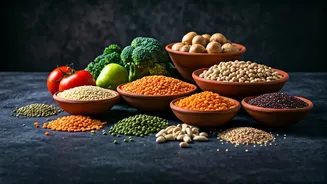
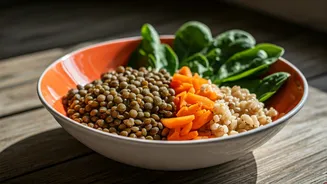
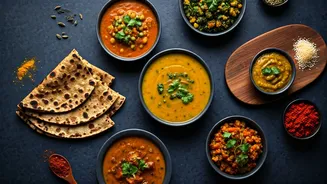
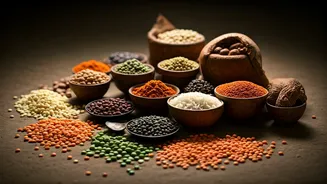
Before plant-based protein became a trendy marketing term, it was simply called dinner in millions of Indian households. Lentils (dal), chickpeas (chana), and kidney beans (rajma) are the bedrock of the cuisine. They are nutritional powerhouses, offering a slow-releasing source of complex carbohydrates, plant-based protein, and, most importantly, fiber. A diet rich in this kind of fiber is fundamental for a healthy gut microbiome, which researchers now link to everything from immune function to mental health. A simple bowl of dal provides more balanced, gut-friendly nutrition than many expensive, lab-created protein shakes.
The Synergy of a Spice Box
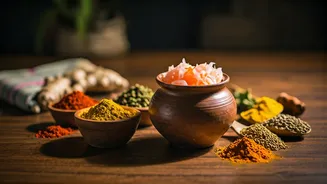
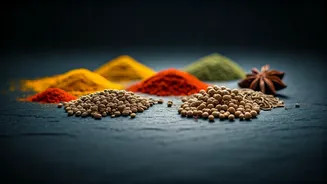
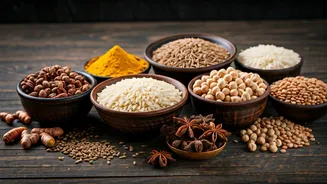
An Indian spice box, or masala dabba, isn't just a collection of flavorings; it's a synergistic toolkit for wellness. The classic spices—cumin, coriander, cloves, cardamom, cinnamon, mustard seeds—aren’t just there to make food taste good. Many have been studied for their potent antioxidant, anti-microbial, and blood-sugar-regulating properties. A pinch of asafoetida (hing) is added to lentil dishes to aid digestion and reduce gas. Fenugreek seeds, often tempered in hot oil, are known to help with metabolic health. The magic isn't in any single spice, but in the complex, delicious harmony they create when combined in a dish.
A Holistic Philosophy
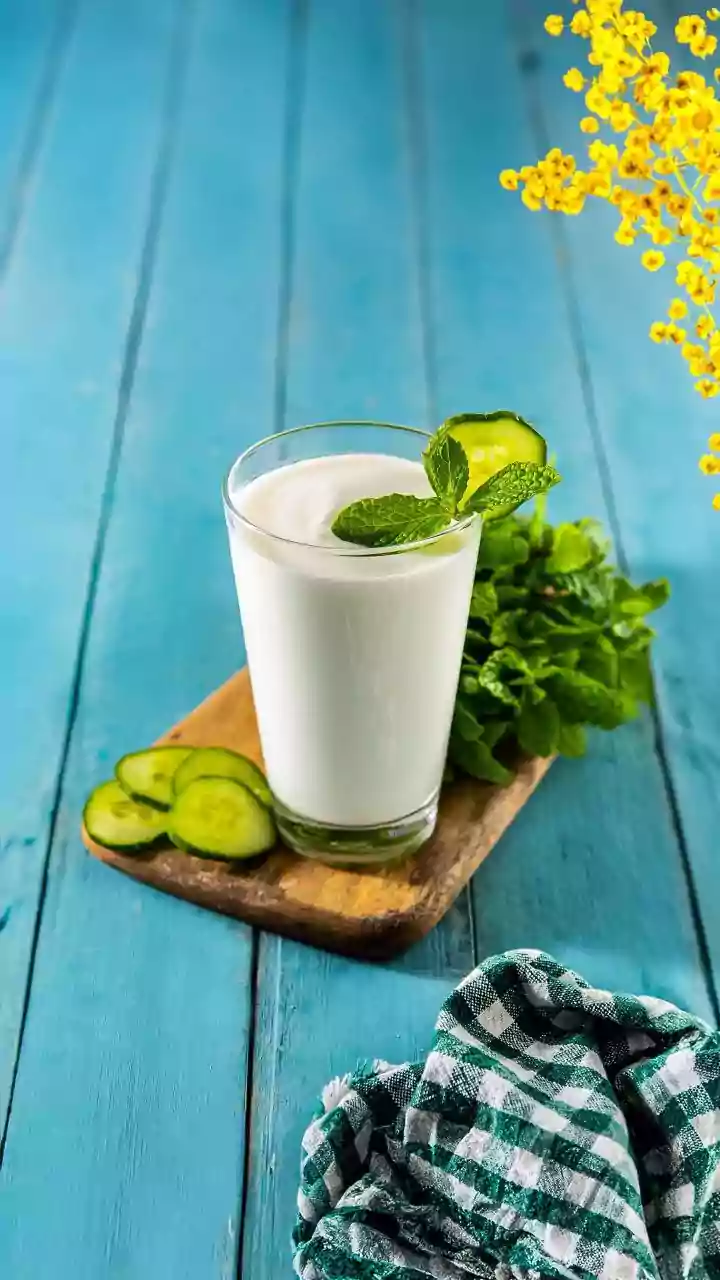
Ultimately, turning to traditional Indian food is about embracing a different philosophy. It’s about eating with the seasons, prizing gut health (think of cooling yogurt-based raitas and lassis), and understanding that a meal is more than the sum of its chemical parts. It’s about balance—the six tastes of Ayurveda (sweet, sour, salty, bitter, pungent, and astringent) are all considered in a well-rounded meal. This isn't about finding an exotic “cure” but about returning to a time-tested, common-sense approach to nourishment that is deeply satisfying, affordable, and profoundly delicious. It’s a move away from chasing health in a bottle and toward finding it on your plate.