







More Than Just a Guard Dog
For generations in many parts of India, a dog was a functional asset—a guard for the home, fed on table scraps. But that paradigm is rapidly becoming a relic. Today, in the bustling apartments of Mumbai, Bangalore, and Delhi, a new generation of pet owners
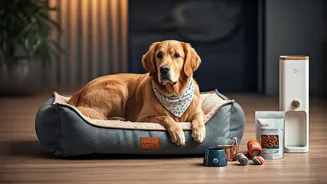
is redefining the relationship. This isn't about ownership; it's about 'pet parenting.' And these new parents are opening their wallets. The market is responding with services that would sound familiar to any pet lover in Los Angeles or New York. We’re talking about gourmet, grain-free dog food subscriptions, hydrotherapy sessions for arthritic retrievers, professional grooming salons offering 'pawdicures,' and even lavish birthday parties complete with pet-friendly cakes. Startups are flooding the market with everything from artisanal treats and bespoke accessories to high-tech pet-monitoring cameras and comprehensive pet insurance, a concept that was virtually nonexistent a decade ago.
The Rise of the 'Pet-fluencer'
Driving this change is a potent mix of economic growth and social evolution. India’s middle class has expanded dramatically, creating millions of households with disposable income for the first time. As young professionals move to cities for work, they often find themselves in nuclear families, far from the large, extended family networks of their parents. They are marrying later and having fewer children, if any. Into this social void steps a cat or a dog. Pets offer companionship without judgment, an emotional anchor in a fast-paced, often isolating urban world. The COVID-19 pandemic acted as a powerful accelerant, with a surge in adoptions by people seeking comfort during lockdowns. This emotional bond is the engine of the premium pet economy. When a pet is viewed as a child, 'good enough' is no longer good enough. They deserve the 'best,' and the market is more than happy to define what that means.
A Cultural Shift, Digitally Delivered
The internet is the crucial catalyst making all of this possible. Social media platforms like Instagram are not just showcases for cute pet photos; they are powerful marketing channels. Indian 'pet-fluencers'—dogs and cats with tens of thousands of followers—are now a common sight, promoting D2C (direct-to-consumer) brands that have bypassed traditional retail to build relationships directly with pet parents. This digital ecosystem allows niche brands to thrive. A company selling organic, human-grade dog food can find its exact audience through targeted ads. A pet owner in a smaller city can access products and information that were once only available in the biggest metropolitan hubs. This digital access creates a feedback loop: seeing others pamper their pets normalizes the behavior and creates new standards of care, further fueling demand for premium goods and services.
The Global Market Takes Notice
This isn't just a local story. Global pet food giants like Mars, Inc. (owner of Royal Canin and Pedigree) and Nestlé (owner of Purina) have identified India as one of the fastest-growing pet care markets in the world. They are aggressively expanding their premium product lines and distribution networks across the country. The competition is fierce, with international players vying against a dynamic wave of homegrown startups that often claim a better understanding of the local market and its customers. For investors and global brands, the Indian pet market represents a massive, largely untapped opportunity. With pet penetration rates still low compared to Western countries, the potential for growth is immense. The trend is a clear signal that as incomes rise in emerging economies, consumer behavior often begins to mirror that of developed nations, with pets being one of the first and most visible beneficiaries.