






The Fading Two-Week Getaway
For generations, the American vacation was a monolith. You worked for 50 weeks to earn two weeks off, often spent on a meticulously planned, far-flung trip. It was a full-system reset. But in today's economic and professional landscape, that model is
cracking. The reasons are familiar: sky-high travel costs, the logistical headache of coordinating family schedules, and the stark reality of limited paid time off (PTO) in the U.S. compared to other developed nations. For many, taking a full two weeks off feels like a luxury they can't afford, both financially and professionally. The fear of returning to an insurmountable pile of work—or being seen as less than committed—keeps many workers tethered to their desks, making a long, uninterrupted break seem more stressful than relaxing.
Enter the 'Micro-Cation'
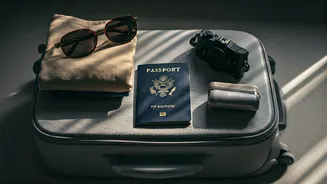
In place of the grand tour, the 'micro-cation' has emerged as the dominant travel trend. Defined by travel experts as a leisure trip of four nights or less, these short, punchy getaways are reshaping how we think about rest. Instead of one big annual trip, people are opting for three or four long weekends spread throughout the year. Travel industry data backs this up, showing a significant increase in bookings for trips under five days. These aren't just last-minute decisions; travelers are strategically planning these mini-breaks to punctuate their calendars. A long weekend in a nearby city, a three-day hiking trip in a state park, or a quick flight to a sunny beach have replaced the epic cross-country road trip or European adventure for many.
The Psychology of a Quick Escape
The appeal of the short trip is deeply psychological. In an era of constant low-grade burnout, waiting an entire year for a break feels unsustainable. Multiple short trips offer more frequent punctuation marks—more things to look forward to. This 'hedonic forecasting,' or the pleasure we get from anticipating an event, is a powerful mood booster. A series of small, achievable trips can deliver more cumulative happiness than a single, high-stakes vacation. Furthermore, the planning process is simplified. Booking a three-day trip is far less daunting than orchestrating a two-week multi-stop itinerary. This lowers the 'planning tax' on our mental energy, making the entire experience, from conception to execution, feel more restorative and less like a project.
How Work Changed How We Rest
This shift isn't just about preference; it's a direct reflection of our changing work culture. The rise of remote and hybrid work has blurred the lines between office and home, but it has also created new opportunities. With the ability to work from anywhere, a 'trip' can now be a week-long stay in a new city, with work from 9-to-5 and exploration in the evenings—a model some call a 'work-cation.' For those still tied to an office, the short trip is a surgical strike against burnout. It’s a way to decompress without fully disconnecting, which, for better or worse, aligns with our 'always-on' professional expectations. A long weekend provides just enough distance to recharge the batteries without causing a major disruption or requiring a massive handover at work.
The Downside of Snackable Travel
Of course, the micro-cation isn't a perfect solution. Critics argue that these short bursts of travel don't allow for the deep disconnection and cultural immersion that longer trips provide. By the time you've fully unpacked and settled in, it's nearly time to leave. There's a risk of what some call 'relaxation whiplash'—the stress of travel on both ends of the trip can eat into the precious downtime. It can feel like you're just skimming the surface of a place rather than truly experiencing it. There's also the environmental consideration; multiple short trips, especially those involving flights, can have a larger carbon footprint than one longer journey. The 'snackable' vacation might satisfy an immediate craving for escape, but it may not provide the deep nourishment of a proper feast.