

Know Thy Monsoon
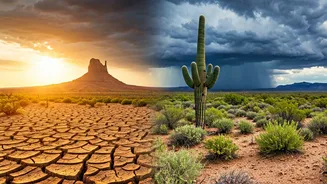
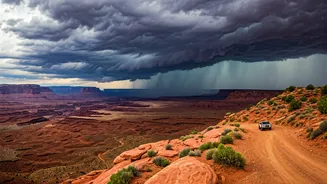
First, let’s be clear: the North American Monsoon isn't just a quirky name for a summer shower. Primarily affecting Arizona, New Mexico, and parts of Utah, Colorado, and California from roughly June through September, this weather pattern pulls moisture
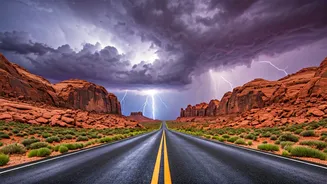
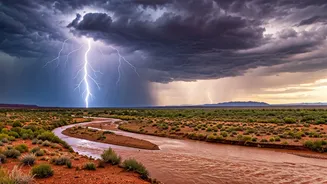
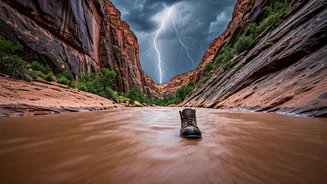
up from the tropical Pacific, resulting in intense, localized thunderstorms. These aren't gentle drizzles. They can drop inches of rain in under an hour, turning dry creek beds (arroyos) into raging torrents and transforming dusty roads into impassable mud pits. The biggest dangers for travelers are flash floods and lightning. Understanding this isn't meant to scare you off, but to instill a healthy respect for the environment. A monsoon trip requires a different mindset—one focused on flexibility, awareness, and accepting that nature is ultimately in charge.
The Pre-Trip Digital Toolkit
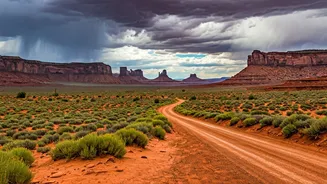
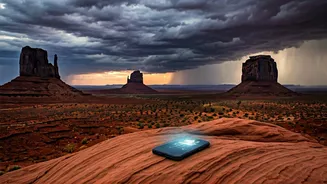
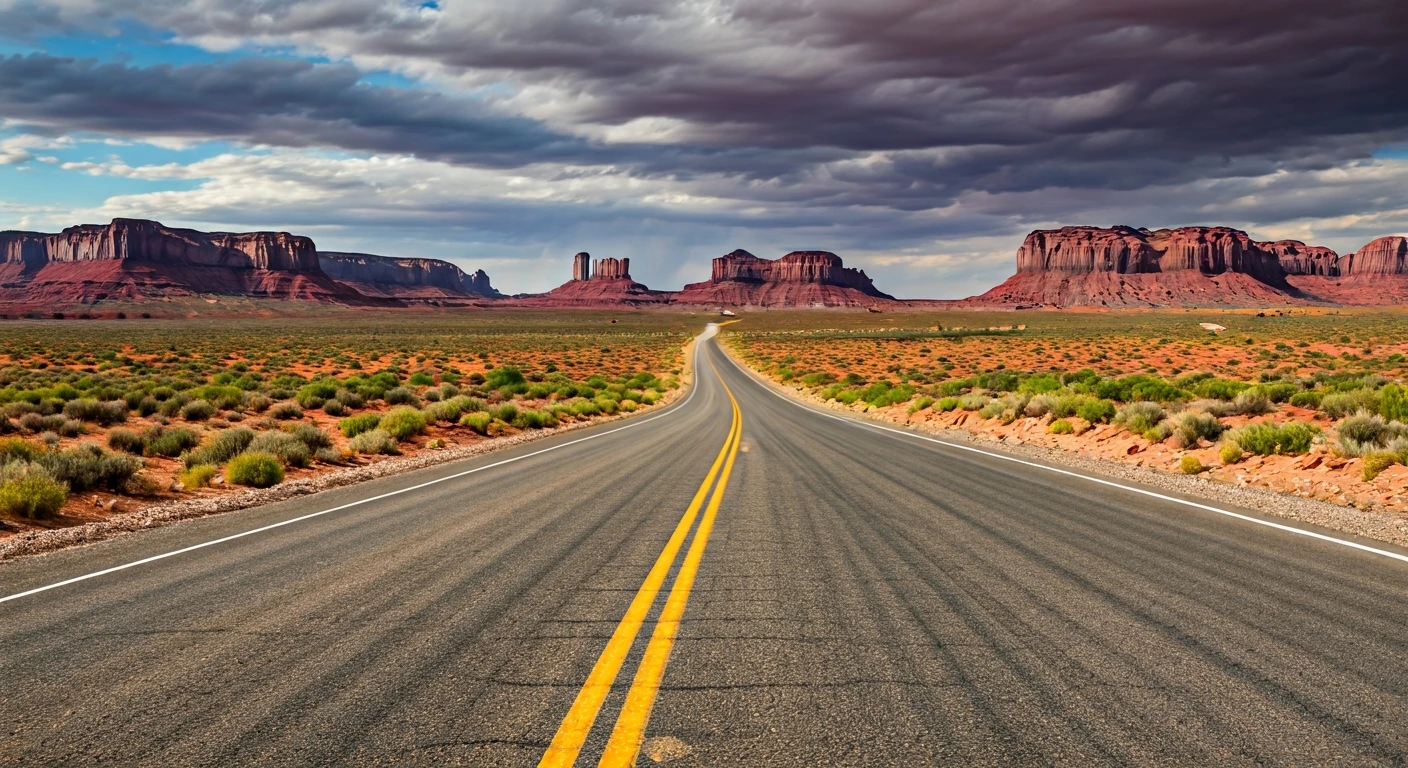
Your most important planning happens before you even lock your front door. Start by mapping your primary route, then immediately identify at least two alternatives. This isn't just about finding another highway; it's about finding routes that use different topographies or cross different watersheds. Use tools like Google Maps and its terrain layer to understand where the low points are. Next, download everything for offline use. Cell service is notoriously spotty in the exact places where you’re most likely to need it. Your entire route, including alternates, should be saved to your phone via an app like Gaia GPS or Google Offline Maps. Also, bookmark key websites: the National Weather Service page for your destination, the state’s Department of Transportation site for real-time road closures (like AZ511 in Arizona), and the official social media accounts for any national or state parks on your itinerary. These are your lifelines.
The On-the-Ground Pivot
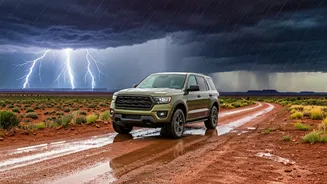
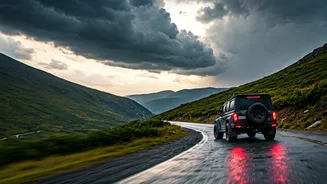
Once you’re on the road, your job is to be an active observer. Pay attention to the sky. If you see dark, towering cumulonimbus clouds building over the mountains you’re heading toward, it’s a warning. Check your weather radar app. If a storm cell is parked over your route, that's your cue to stop for a long lunch and wait it out, or to activate Plan B. The most critical rule of monsoon travel is never, ever cross a flooded roadway. It’s the mantra of every local and first responder: “Turn Around, Don’t Drown.” It can be impossible to tell if the road beneath the water is washed out or how deep the flow is. A foot of moving water is enough to sweep a car off the road. This is where your pre-planned backup routes become invaluable. Don’t see it as a delay; see it as smart, safe travel.
Pack for the Unexpected
Your vehicle is your mobile basecamp, so stock it accordingly. Getting stuck for a few hours—or even overnight—is a real possibility. Your monsoon car kit should go beyond the basics. In addition to a first-aid kit and jumper cables, ensure you have several gallons of extra water, non-perishable snacks, blankets or a sleeping bag, a powerful flashlight with extra batteries, and a portable power bank for your phone. If you're venturing onto more remote dirt roads, a satellite messenger like a Garmin inReach or Zoleo is a non-negotiable piece of safety equipment. It allows you to communicate and send an SOS message even when you have zero cell signal. Think of it as an insurance policy you hope to never use but will be eternally grateful for if you do.
Embrace the Scenic Detour
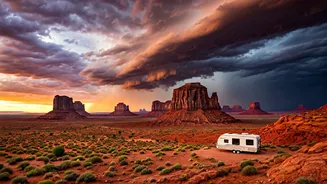
So, a flash flood has closed the main highway to your destination. This isn't the end of your trip; it's the beginning of an adventure you didn't plan for. That backup route you mapped? It might take you through a tiny town with a fantastic diner, past a scenic overlook you didn't know existed, or along a quiet road that reveals a different side of the landscape. Shifting your mindset from 'destination-at-all-costs' to 'enjoying-the-journey' is the key to a successful monsoon trip. The most memorable travel moments often happen when things don't go according to plan. A forced detour is an opportunity for discovery. Let the storm pass, enjoy the dramatic, cloud-filled sunset it leaves behind, and appreciate the story you'll have to tell later.