


The Tyranny of the Squat Rack
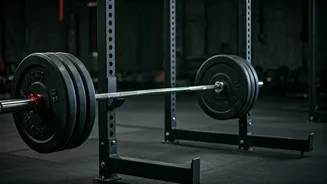
Walk into almost any gym, and you’ll see it: the barbell squat rack, treated as the altar of true strength. The narrative is simple—if you want to get strong, you have to squat, and you have to squat heavy. We’ve been told it builds total-body power,
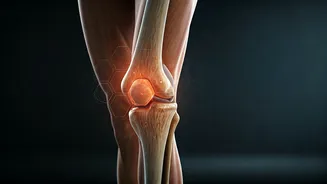
torches calories, and forges mental toughness. And for certain athletes, like powerlifters or football linemen, that’s absolutely true. But for the rest of us? The single-minded focus on adding more plates to the bar can be a trap. The heavy back squat is a highly technical, high-risk movement. It places immense compressive force on the spine and demands exceptional mobility in the hips, ankles, and thoracic spine—mobility that many people who sit at desks all day simply don’t have. Chasing a new personal record often leads to compromised form, which is a fast track to lower back pain, knee issues, and hip impingements. More importantly, it builds a very specific type of strength that doesn't always translate to the dynamic, asymmetrical, and unpredictable challenges of everyday life.
Training for Life, Not Just Lifts
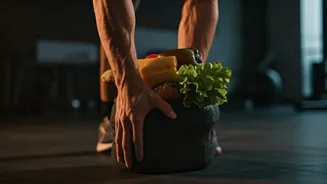
This is where functional movement patterns come in. The term gets thrown around a lot, but the concept is beautifully simple: train movements, not just isolated muscles. Functional fitness prioritizes exercises that mimic the tasks you perform outside the gym. Think about it: when do you ever lift a perfectly balanced, heavy object from a fixed rack in your daily life? Almost never. But you do carry unbalanced grocery bags, hoist a suitcase into an overhead bin, twist to grab something from the back seat of your car, and get up off the floor. Functional training builds strength, stability, and mobility across multiple planes of motion—forward and back, side to side, and rotationally. Instead of focusing on how much you can lift in one perfect, controlled scenario, it asks, “How capable and resilient is your body in the real world?” It’s about building a body that’s less prone to injury when you slip on a patch of ice and more capable of helping a friend move a couch without throwing your back out.
Meet Your New Go-To Moves
Shifting your focus doesn't mean abandoning squats entirely, but it does mean re-prioritizing. The heavy back squat gets demoted, and these versatile, life-applicable movements get promoted. **1. The Goblet Squat:** Holding a single dumbbell or kettlebell at your chest forces you to engage your core and maintain an upright posture. It’s a self-correcting squat that’s far kinder to the spine and builds a foundational squatting pattern you can actually use. **2. Farmer’s Walks:** This is as functional as it gets. Pick up two heavy dumbbells or kettlebells and walk. It builds crushing grip strength, core stability, and the postural endurance needed to carry heavy shopping bags or a toddler through a store without wilting. **3. Single-Leg Romanian Deadlift (RDL):** Life is often lived on one leg. This move challenges your balance and builds unilateral strength in your hamstrings and glutes, directly improving stability for walking, running, and climbing stairs. **4. Kettlebell Swings:** This is the ultimate power-generating movement for your posterior chain (glutes and hamstrings). It teaches you to produce explosive hip drive, which is the key to jumping, sprinting, and lifting heavy objects off the floor safely.
Making the Functional Shift
So, how do you ditch the heavy squat mentality? Start by building your workouts around functional patterns. Begin with a movement like the Goblet Squat or Kettlebell Swing. Follow it up with a loaded carry like the Farmer’s Walk and a unilateral exercise like the Single-Leg RDL or lunges. These movements work together to build a foundation of practical strength and resilience. You can still use the barbell back squat, but treat it as a tool, not the entire toolbox. Maybe you do it once a week, focusing on perfect form with a moderate weight rather than grinding out ugly reps for a new one-rep max. The goal is to move from a philosophy of “how much can I lift?” to “how well can I move?” The answer to the second question will have a far greater impact on your quality of life for years to come.