




The Green Infiltration
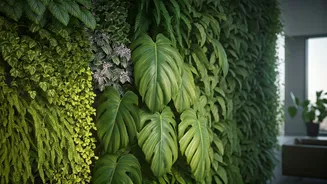
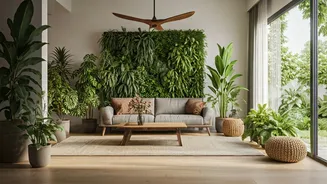
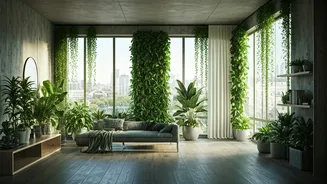
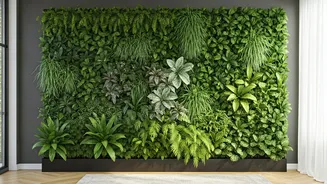
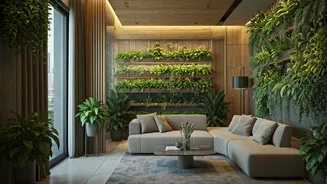
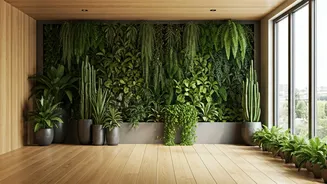
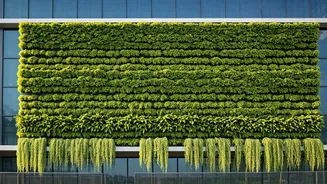
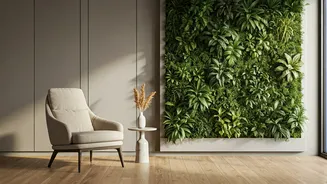
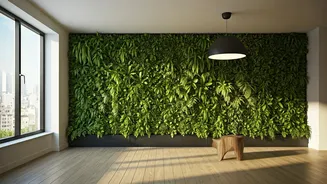
Forget a lonely succulent on the windowsill. The new centerpiece of the urban home is the “plant wall,” or “living wall.” This is a vertical garden, a floor-to-ceiling tapestry of foliage that transforms a room into a living ecosystem. These installations
range from complex, self-irrigating systems integrated by architects to more accessible modular panels that ambitious DIYers can install themselves. But the effect is the same: a dramatic, immersive infusion of nature. Unlike simple houseplants, a living wall creates an architectural feature that fundamentally changes the character of a space. It’s a statement piece that breathes, purifies the air, and offers a daily connection to the natural world that is often absent in dense city environments. It signals a move away from seeing plants as mere decoration and toward integrating them as essential infrastructure for a healthy home.
Beyond the Open Concept
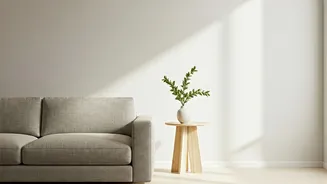
For decades, the “open-concept” layout was the unchallenged king of residential design. The trend dominating searches today is more nuanced: the “airy layout.” While it still values light and flow, it’s not about erasing all boundaries. Instead, it’s about creating flexible, multi-functional spaces that feel both open and intimate. Think pocket doors, glass partitions, or strategically placed furniture that can delineate a home office from a living area without sacrificing a sense of spaciousness. After years of families living, working, and schooling on top of one another, the demand is for rooms that can adapt. An airy layout prioritizes natural light, high ceilings, and a clear line of sight, but it also provides the option for privacy and quiet—a crucial evolution for the home that must now serve as office, gym, school, and sanctuary.
A Search for Wellness and Sanctuary
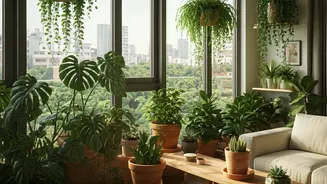
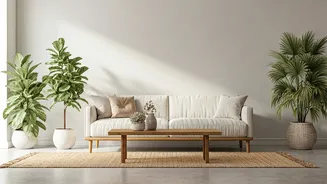
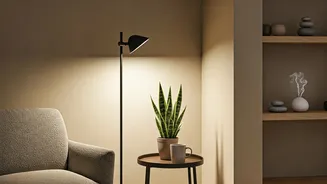
So, why this sudden craving for light and leaves? The answer lies in a powerful design philosophy called “biophilia”—the idea that humans have an innate tendency to seek connections with nature. The rise of plant walls and airy layouts is a direct expression of this need. In a world of concrete, glass, and glowing screens, these trends are a conscious effort to reintroduce natural elements that have proven psychological and physiological benefits. Studies have shown that exposure to nature, even just looking at it, can reduce stress, lower blood pressure, and improve focus. The filtered light of an airy room and the passive air purification of a plant wall are no longer seen as luxuries but as vital components of a wellness-focused lifestyle. This isn't just about making a home look good for Instagram; it's about making it feel good for the people who live there.
From Aspiration to Expectation
What was once a niche interest for eco-architects and wealthy homeowners is rapidly becoming a mainstream expectation. Real estate listings increasingly highlight “abundant natural light,” “private green space,” and even “living walls” as key selling points, especially in competitive urban markets. Property developers are taking note, incorporating communal green roofs, interior courtyards, and larger windows into new apartment buildings. Similarly, search interest on platforms like Pinterest and Houzz for terms like “indoor garden” and “sunroom ideas” reflects a broad-based consumer desire. This shift shows that biophilic design is moving from a high-concept trend to a practical requirement, as more people recognize the profound impact their immediate environment has on their quality of life.