



The Protein Powerhouse You're Overlooking
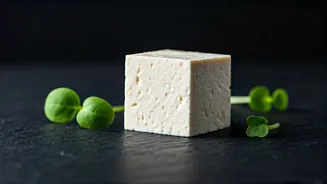
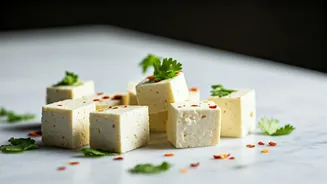
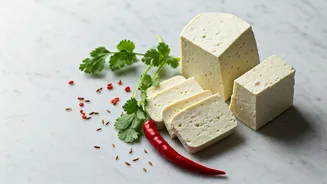
Paneer is an Indian fresh cheese made by curdling milk with a fruit or vegetable acid, like lemon juice or vinegar. Because it’s unstrained and pressed, it holds its shape when heated, making it incredibly versatile. Unlike aged cheeses, it doesn’t melt
into a gooey mess, which is why you can grill it, pan-fry it, and cube it for curries. From a nutritional standpoint, it’s a vegetarian powerhouse. A 100-gram serving of paneer can pack anywhere from 18 to 20 grams of protein, making it an excellent alternative to meat. It's also rich in calcium and provides a satisfying, hearty texture that can anchor any meal. For anyone looking to boost their protein intake without relying on powders or meat, paneer is one of the best whole-food options available.
Understanding the 'Heavy Masala' Problem
The term “masala” simply means a blend of spices. A light, dry spice rub is a masala. But in the context of many popular restaurant dishes in the U.S., it often implies a rich, gravy-like sauce. Think of paneer butter masala or shahi paneer. While delicious, these preparations frequently rely on copious amounts of butter, cream (malai), and oil to create their signature velvety texture. This isn't a criticism of traditional Indian cuisine, but an acknowledgment that these celebratory dishes can turn a lean protein source into a heavy, high-fat meal. When your goal is a clean, protein-forward dish for a regular weeknight, these rich gravies can work against you, masking the paneer’s delicate flavor and adding hundreds of extra calories. The solution isn’t to abandon Indian flavors but to embrace simpler preparations.
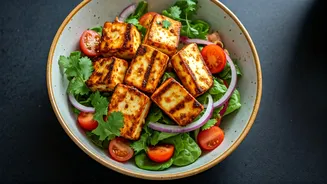
Method 1: Pan-Sear or Grill It
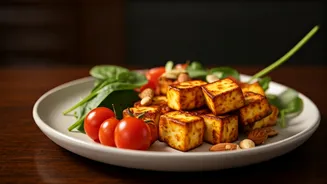
This is the simplest and perhaps most rewarding way to enjoy paneer. Cut a block of paneer into thick slabs or cubes. Create a quick marinade using Greek yogurt, lemon juice, ginger-garlic paste, and your favorite dry spices like turmeric, cumin, and coriander. Let it sit for at least 30 minutes. Then, pan-sear the pieces in a hot, lightly oiled skillet until golden brown and crispy on all sides. You can also thread them onto skewers and grill them. The result is a smoky, flavorful crust with a soft, creamy interior. Serve it over a salad, with roasted vegetables, or as a simple appetizer.
Method 2: Crumble It Like Feta or Tofu
Don’t just think of paneer in cubes. Its firm, crumbly texture makes it a fantastic addition to scrambles and salads. For a high-protein breakfast, crumble it into a pan with sautéed onions, tomatoes, and peppers, add a pinch of turmeric and chili powder, and cook until warmed through—essentially a paneer bhurji. You can also crumble it cold over a green salad, where it adds a creamy, satisfying texture similar to feta but with a milder flavor. This method requires zero cooking and instantly boosts the protein content of any simple salad.
Method 3: Add It to Stir-Fries
Borrow a technique from Chinese and Southeast Asian cooking. Because paneer holds its shape so well, it’s a perfect substitute for tofu in a vegetable stir-fry. Cube the paneer and toss it into a hot wok or skillet toward the end of the cooking process, along with broccoli, bell peppers, snow peas, and your choice of a light soy-ginger sauce. The paneer absorbs the flavors of the sauce without becoming soggy, adding a satisfying chew and a substantial protein kick to a quick, healthy weeknight dinner.