



The Cooling Power of Dahi (Yogurt)
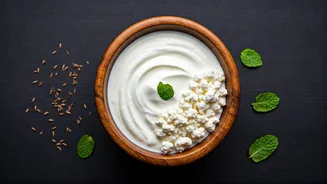
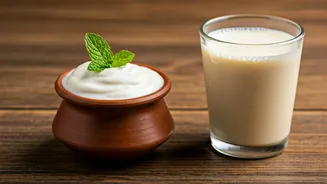
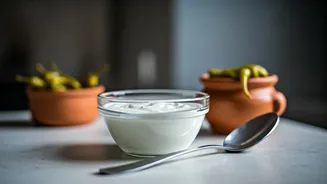
If there’s one hero ingredient in the Indian probiotic story, it’s dahi, or homemade yogurt. Far from the sweetened, fruit-on-the-bottom cups in American supermarkets, traditional dahi is a simple, tangy, and live-culture food. Made by introducing a small
amount of leftover yogurt (the starter culture) into warm milk and letting it ferment for several hours, it becomes packed with beneficial bacteria like Lactobacillus. In an Indian meal, dahi plays a crucial role as a coolant and digestive aid. It’s the foundation for raita, a yogurt-based side dish often mixed with cucumber, mint, or tiny fried chickpea flour balls (boondi), designed to soothe the palate from the heat of spices. It’s also churned into lassi, a refreshing drink, or simply served on the side of a thali (a platter with multiple small dishes) to add a creamy, tangy counterpoint that balances the entire meal. Its presence is a testament to the cuisine’s intuitive understanding of gut balance—it’s not just an ingredient, it’s a functional part of the meal’s architecture.
The Tangy Kick of Achar (Pickles)
Don’t mistake Indian pickles, or achar, for the dill spears you’d find next to a deli sandwich. Achar is a flavor explosion: a fiery, sour, salty, and pungent condiment made from fermenting fruits or vegetables like mango, lemon, or chili in salt, oil, and a complex blend of spices. While some modern, mass-produced versions are simply preserved in vinegar, traditionally made achar undergoes a lacto-fermentation process. The salt draws out water from the vegetables, creating a brine where beneficial lactic acid bacteria thrive, preserving the pickle and creating that signature tangy depth. These microbes are what give true achar its probiotic punch. In a meal, achar is used sparingly. A tiny spoonful alongside rice and dal (lentils) or with a piece of flatbread is enough to electrify the palate and, more importantly, stimulate digestion. It acts as an appetizer and a digestive aid in one potent, flavorful package, showcasing how even the smallest component of a meal can serve a powerful purpose.
The Fermented Foundation of Idli & Dosa
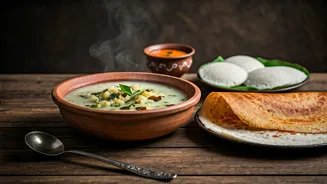
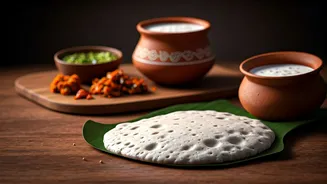
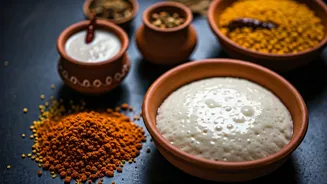
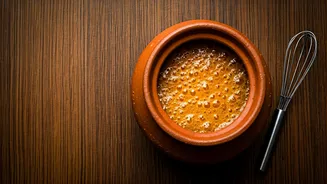
The magic behind some of South India’s most iconic dishes isn’t just in the cooking; it’s in the waiting. Idli (steamed savory rice cakes) and dosa (crispy, savory crepes) are made from a batter of ground rice and lentils that is left to ferment, typically overnight. This fermentation period is critical. Wild yeasts and bacteria present in the ingredients and the environment get to work, causing the batter to rise and develop a distinct, slightly sour flavor. This process does more than just create a light, airy texture. It pre-digests the starches and proteins in the grains, making them easier for our bodies to absorb. The fermentation also increases the bioavailability of nutrients like B vitamins and, of course, populates the batter with beneficial probiotics. When you eat a dosa, you’re not just eating a pancake; you’re consuming a nutrient-dense, easily digestible food that has been intelligently designed by centuries of tradition to be good for your gut.
The Unsung Hero: Kanji
While less known in the U.S., kanji is a traditional fermented drink that perfectly embodies the principle of turning humble ingredients into a wellness powerhouse. Most famously made with black carrots (gajar ki kanji) in North India, it’s a sour and savory beverage prepared by fermenting carrots, beetroot, and spices like mustard seeds in water for several days under the sun. The process transforms the simple vegetable water into a fizzy, probiotic-rich tonic celebrated for its digestive properties. Often prepared in winter when black carrots are in season, it’s consumed before meals to kick-start the digestive system. It’s a classic example of using fermentation to not only preserve seasonal produce but also to create a functional beverage designed to support health. Kanji proves that the 'smartness' of Indian cuisine extends beyond the plate and into the glass, using every available tool to promote well-being.