




1. The Non-Negotiable Outer Shell
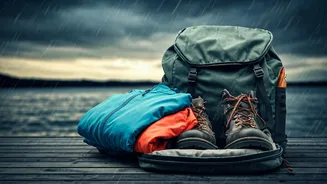
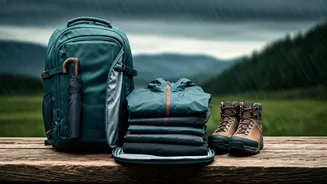
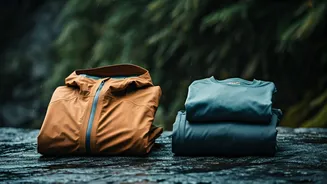
Let’s start with the obvious, but get it right. Your rain jacket is the cornerstone of your wet-weather kit. Forget the flimsy, disposable poncho you grab at a tourist stand. True travel adulting means investing in a jacket that is both waterproof *and*
breathable. Waterproofing keeps rain out, but breathability lets sweat and moisture escape, so you don't feel clammy and damp from the inside out. Look for jackets made with materials like Gore-Tex or a brand’s proprietary equivalent. The other key feature? Packability. A great travel rain jacket should compress down to the size of an apple, ready to be deployed at a moment's notice without hogging precious luggage space. Think of it less as a bulky coat and more as a portable shield.
2. Footwear: The Foundation of Comfort
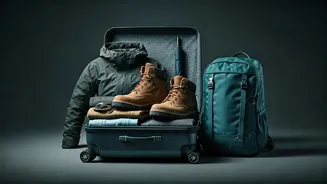
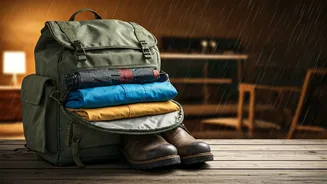
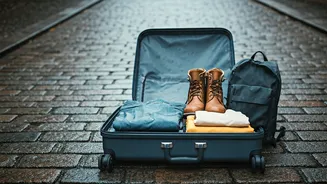
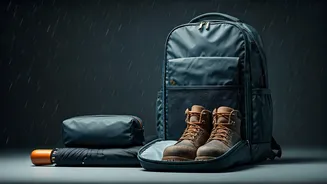
There are few travel miseries greater than squelching around in wet socks and soggy shoes. Your footwear choice is critical. While waterproof hiking boots are fantastic for trail-heavy trips, they can be overkill for a city break. Consider a pair of stylish, water-resistant leather boots or sneakers treated with a waterproofing spray. An even better strategy for many destinations is to lean into quick-drying shoes, like those made from synthetic mesh. Paired with the right socks, they can get soaked and be dry by morning. Which brings us to the golden rule of rainy travel: no cotton socks. Ever. Cotton absorbs water, loses its insulating properties when wet, and takes forever to dry, leading to blisters and cold feet. Pack merino wool or synthetic socks instead. They wick moisture, regulate temperature, and stay comfortable even when damp.
3. Master the Art of Layering
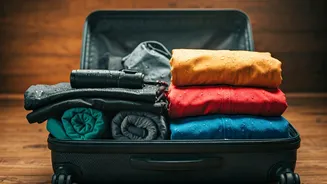
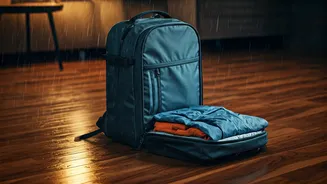
A sudden storm can cause temperatures to plummet. The secret to staying comfortable is not a single, heavy sweater but a smart system of layers. Your base layer—the shirt against your skin—should be made of merino wool or a synthetic fabric like polyester. These materials pull sweat away from your body, keeping you dry and warm. Your mid-layer provides insulation. A lightweight fleece jacket or a packable down vest is perfect. This system is adaptable: wear all three layers (base, mid, and outer shell) in a cold downpour, or just the shell over your t-shirt in a warm tropical shower. This versatility means you’re prepared for a wide range of conditions without overpacking.
4. Defend Your Gear
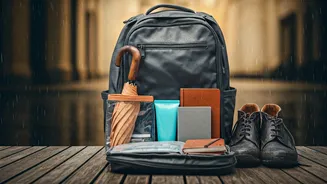
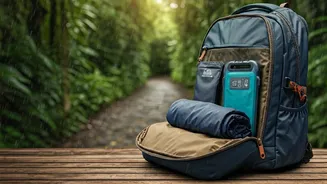
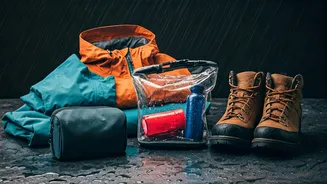
You’re dry, but what about your phone, camera, and passport? The pro move is to compartmentalize your waterproofing. A small, lightweight 'dry sack,' often found in camping stores, is an invaluable tool. Tossing your electronics and important documents into one before you zip up your backpack provides a failsafe layer of protection. Another simple but effective item is a rain cover for your backpack. Many modern travel packs have one built into a hidden pocket, but universal covers are cheap and light. Finally, while a good jacket hood is essential, a compact travel umbrella offers a different kind of freedom—allowing you to check your phone or read a map without getting drenched.
5. The Mindset Shift
Ultimately, packing for rain is less about the gear and more about the mindset. Amateurs see a rainy forecast and feel a sense of dread. Pros see it as part of the adventure. Being prepared for rain isn't pessimistic; it’s empowering. It means you don’t have to retreat to your hotel room and wait for the sun. You can still explore that cobblestone alley, visit that outdoor market, or hike to that viewpoint. The weather no longer dictates your itinerary. You do. This freedom to embrace a destination in all its moods is what separates a tourist from a traveler. It’s the satisfying click of knowing you’ve thought of everything.