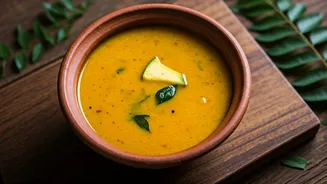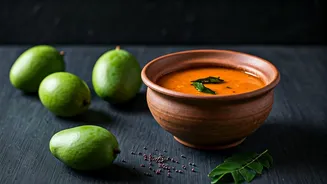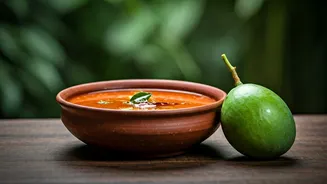






What is Rasam, Anyway?
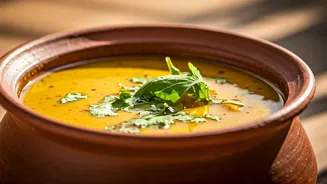
Before we get to the mango, let's talk about rasam. If you’re not familiar, think of it as South India’s answer to chicken noodle soup—a comforting, nourishing, and deeply flavorful broth that’s a staple in millions of homes. The word 'rasam' literally
means 'juice' or 'essence' in Tamil. It’s typically a thin, soup-like dish made with a base of tamarind or tomato, cooked lentils (dal), and a signature blend of spices. It can be sipped on its own like a soup, mixed with rice, or served as a flavorful start to a larger meal. It’s known for its digestive properties and its ability to warm you from the inside out, making it the ultimate comfort food.
The Magic of Unripe Mango
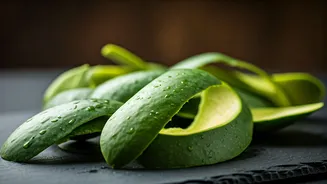
Now, add mango to the mix. But not the sweet, juicy orange mango you’re used to. We’re talking about its tart, firm, and wonderfully sour alter ego: the green, unripe mango. In India, raw mango (often called 'kachha aam' or 'mamidikaya') is a celebrated seasonal ingredient used to make everything from pickles to refreshing drinks. When added to rasam, it replaces the traditional tamarind as the primary souring agent. The result is a brighter, fruitier, and more complex tang. It brings a zesty punch that cuts through the richness of other dishes and delivers a bolt of sunshine to your taste buds. This isn't just soup; it's a flavor firework.
Your Pantry Checklist
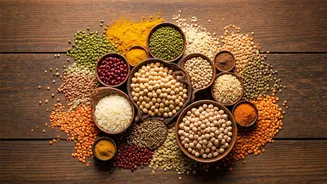
Don’t be intimidated by the ingredient list. Many of these items are staples in Indian cooking and can be found at any Indian grocery store or a well-stocked supermarket. The key players are: * **Toor Dal (Pigeon Peas):** This is the creamy, protein-rich base. Yellow lentils (masoor dal) can work in a pinch. * **Raw Green Mango:** The star of the show. Look for a firm, dark green mango. It should feel hard, not soft. * **Rasam Powder:** A pre-made spice blend that saves time. You can also make your own, but a good quality store-bought version is perfect for starting out. * **For the Tadka (Tempering):** This is the final flourish of flavor. You’ll need a little oil or ghee, mustard seeds, cumin seeds, dried red chilies, a pinch of asafoetida (hing), and curry leaves. Asafoetida adds a unique savory, onion-garlic note, while curry leaves provide an unmistakable aroma. Don't skip this step!
The Recipe: Tangy Mango Rasam
This recipe is a straightforward guide to making a delicious batch of mango rasam. It’s perfect for a batch-prepped lunch you can enjoy all week. **Yields:** 4 servings **Prep time:** 15 minutes **Cook time:** 25 minutes **Ingredients:** * 1/2 cup toor dal (pigeon peas), rinsed * 1 small raw green mango (about 1 cup, peeled and cubed) * 1/4 teaspoon turmeric powder * 4 cups water, divided * 1-2 tablespoons rasam powder (adjust to your spice preference) * 1 tablespoon jaggery or brown sugar (optional, to balance the sourness) * Salt to taste * 2 tablespoons chopped cilantro, for garnish **For the Tempering (Tadka):** * 1 tablespoon ghee or neutral oil * 1 teaspoon mustard seeds * 1 teaspoon cumin seeds * 2 dried red chilies, broken * 1 generous pinch asafoetida (hing) * 1 sprig (10-12) fresh curry leaves **Instructions:** 1. **Cook the Dal:** In a pressure cooker or a pot, combine the rinsed toor dal, turmeric powder, and 2 cups of water. Cook until the dal is completely soft and mushy. (About 15 minutes in an Instant Pot or 4-5 whistles in a stovetop pressure cooker). 2. **Cook the Mango:** While the dal is cooking, place the cubed raw mango in a separate pot with 2 cups of water. Bring to a boil and simmer for 10-12 minutes, or until the mango is soft and tender. 3. **Combine and Simmer:** Once the dal is cooked, mash it well with the back of a spoon. Pour the mashed dal into the pot with the cooked mango and its water. Stir to combine. Add the rasam powder, jaggery (if using), and salt. Let the mixture simmer gently for 5-7 minutes for the flavors to meld. Do not boil it vigorously. 4. **Prepare the Tadka:** In a small pan, heat the ghee or oil over medium heat. Once hot, add the mustard seeds. When they start to pop, add the cumin seeds, dried red chilies, and asafoetida. Sauté for a few seconds until fragrant, then add the curry leaves (be careful, they will sputter!). 5. **Finish the Rasam:** Immediately pour the hot, sizzling tadka over the rasam. Stir, garnish with fresh cilantro, and serve hot.
How to Serve It
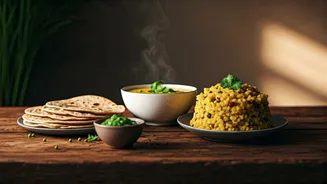
You've made a beautiful, fragrant rasam. Now what? The possibilities are endless, especially when it comes to breaking up lunch monotony. The most classic way to enjoy it is mixed with a bowl of hot steamed rice, perhaps with a side of a simple vegetable stir-fry or a crispy papadum. But you can also sip it from a mug like a restorative broth, which is perfect for a chilly afternoon or when you're feeling under the weather. For a truly satisfying desk lunch, pack the rasam in a thermos and a container of rice separately. When you’re ready to eat, just pour the hot soup over the rice. It’s an instant upgrade that will make your colleagues jealous.