



More Than Just an Aesthetic
So, what exactly is “mindful” Indian design? It’s less of a single style and more of a philosophy. For decades, urban Indian homes often chased a globalized, catalog-perfect look—sleek, impersonal, and disconnected from the local climate and culture.
This new wave is a gentle rebellion against that. It prioritizes well-being, connection to nature, and cultural authenticity over fleeting trends. It asks a simple but profound question: How does this space make you *feel*? The goal isn't just a home that looks good on Instagram, but one that genuinely lowers your stress levels, encourages connection, and functions as a restorative haven from the outside world. It’s a holistic approach where the mental and emotional comfort of the inhabitants is the primary design brief.
Guidance from Ancient Wisdom
At the heart of this movement is a renewed appreciation for Vastu Shastra. Think of it as India's ancient architectural science, a bit like a more spiritual cousin to Feng Shui. For modern designers, Vastu isn't a rigid set of superstitious rules but a guiding framework for harmonizing a home with the natural world. It offers principles on how to orient a building to maximize sunlight and airflow, the ideal placement of rooms to support daily rhythms, and the importance of a central, open space. In contemporary Indian homes, this translates into clever layouts that capture morning light in the kitchen, shaded verandas for hot afternoons, and a natural, intuitive flow that makes daily life feel more effortless.
The Power of Local Materials
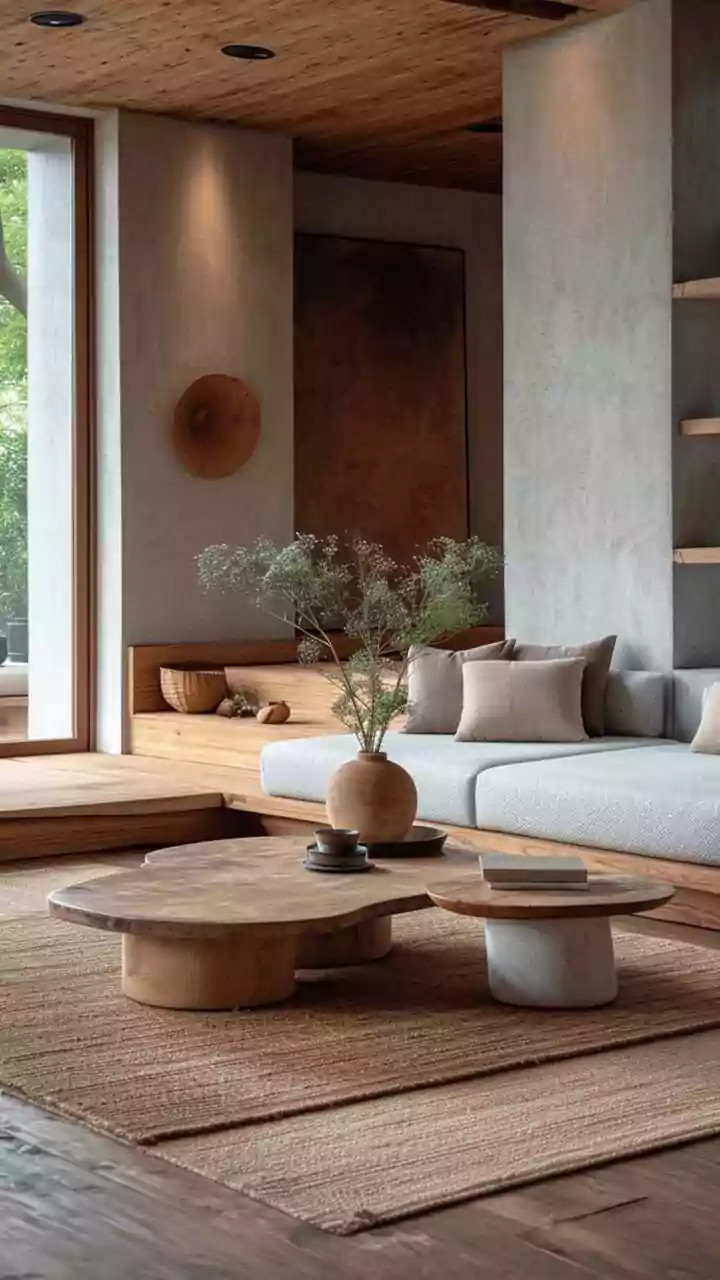
A key tenet of mindful design is authenticity, which starts with the materials. There's a significant move away from imported marble and synthetic finishes toward locally sourced, sustainable materials that have been used in the subcontinent for centuries. We're seeing a resurgence of breathable lime plaster walls, cool terracotta floor tiles, and furniture crafted from reclaimed teak or fast-growing cane and bamboo. These materials are not only better for the environment, but they also connect the home to its specific place. An apartment in coastal Kerala might feature polished red oxide floors that stay cool in the humidity, while a home in Rajasthan could use local sandstone. This material honesty creates a richness and texture that mass-produced furniture simply cannot match.
Bringing the Outdoors In
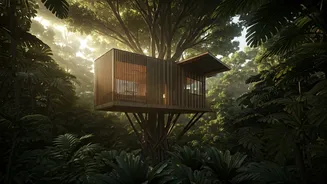
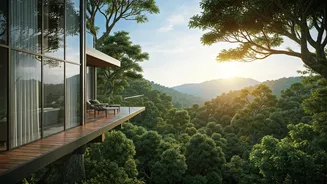
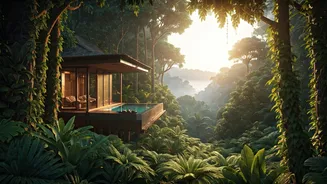
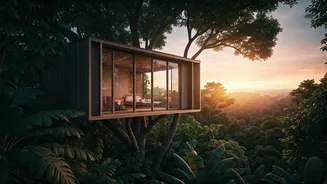
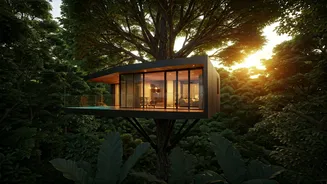
Traditional Indian homes were rarely sealed boxes; they featured courtyards (aangans), verandas, and balconies that blurred the line between inside and out. Mindful design is reviving this concept, even in urban apartments. It’s biophilic design with a distinctly Indian accent. Large windows, skylights, and strategically placed mirrors are used to flood spaces with natural light. Balconies are being transformed into lush green retreats, and interior courtyards are making a comeback in new builds, providing a private, secure green space for family life. Even small homes are incorporating clusters of indoor plants, particularly those with traditional significance like tulsi (holy basil), to purify the air and provide a vital connection to nature.
Designing for Stillness and Connection
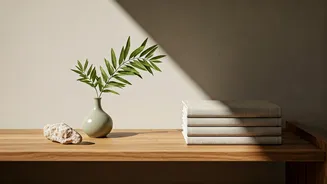
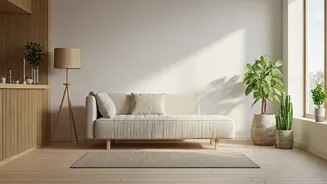
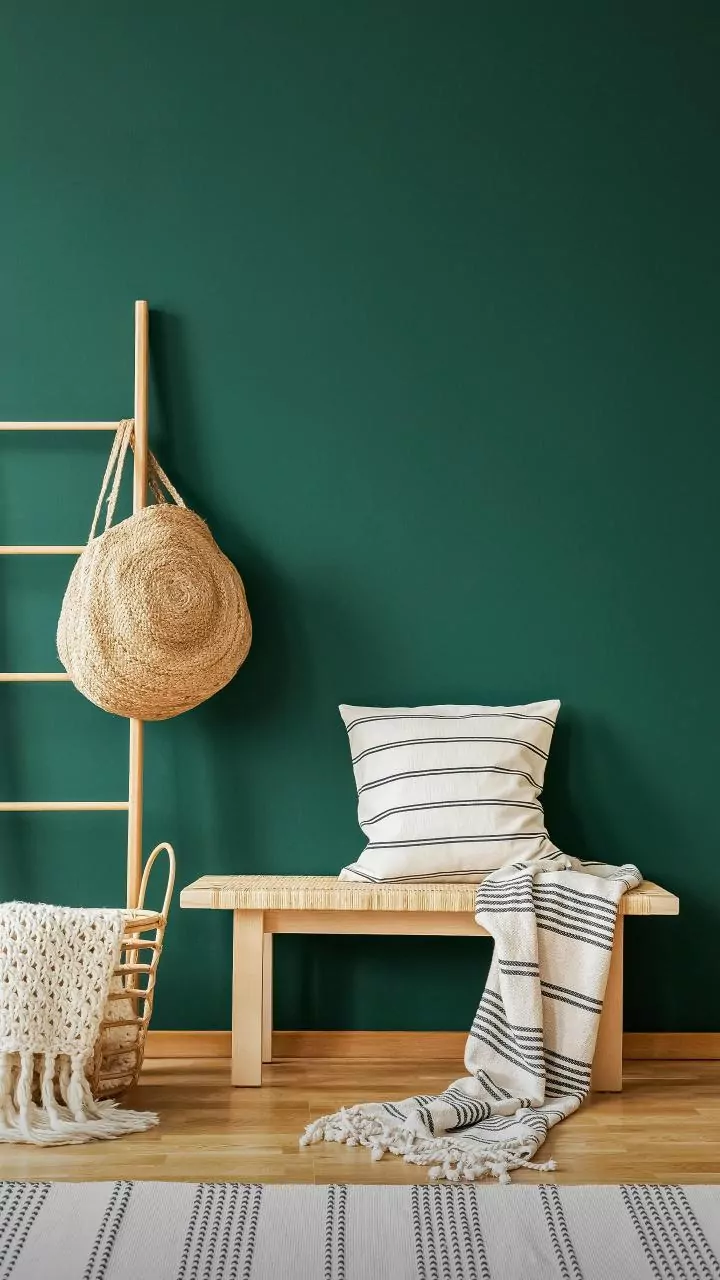
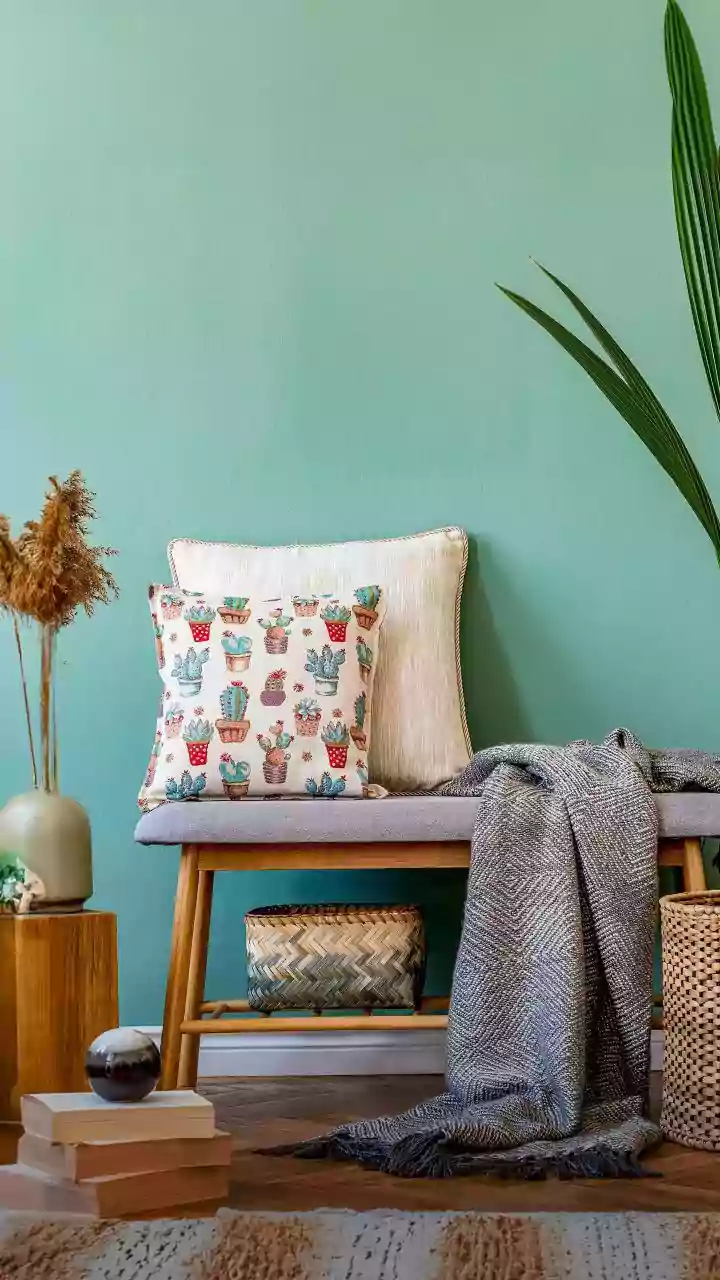
Ultimately, this design philosophy is about creating a backdrop for a better life. This means carving out spaces for both quiet reflection and joyful connection. Uncluttered, minimalist-adjacent aesthetics help reduce mental noise. You’ll find cozy reading nooks built into bay windows, designated meditation corners, and modern interpretations of the `pooja` (prayer) room that are serene and integrated. At the same time, living spaces are designed to encourage family gathering, with comfortable, flexible seating arrangements and dining areas that feel welcoming. The color palettes are often earthy and calming—shades of ochre, terracotta, sage green, and indigo—creating a soothing atmosphere that encourages you to slow down, breathe, and simply be.