




The Perfect Storm for Bacteria
You can thank a simple formula for the increased risk: heat + humidity = a paradise for pathogens. Bacteria like Salmonella, E. coli, and Campylobacter, the usual suspects behind food poisoning, thrive in warm, moist environments. While summer heat is a year-round
concern for food safety, the monsoon season in regions like the American Southwest introduces a new variable: a sudden, dramatic spike in humidity. That damp, heavy air doesn't just make it feel hotter; it also helps bacteria multiply much faster on countertops, cutting boards, and picnic blankets. Think of it as rolling out the red carpet for microscopic party crashers. A hamburger patty left out for an hour in the dry desert heat is one thing; that same patty left out in 95-degree heat with 60% humidity is an entirely different, and much riskier, proposition.
The Power Outage Problem
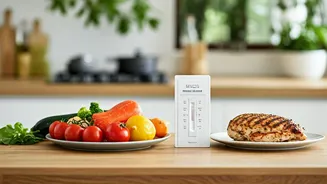
Monsoon storms are famous for their lightning and high winds, which often lead to power outages. While a few hours without lights is an inconvenience, a few hours without a working refrigerator can be a food safety disaster. The rule of thumb from the USDA is critical here: your refrigerator will keep food safe for about four hours if the door remains closed. A full freezer will hold its temperature for about 48 hours (24 hours if half-full) if unopened. Once you cross that four-hour threshold for refrigerated items, it’s time to make some tough decisions. Perishables like meat, poultry, fish, eggs, and leftovers need to be discarded. It’s painful to throw away food, but it’s far less painful than a severe bout of food poisoning. Pro tip: Keep a few appliance thermometers in your fridge and freezer. They’re cheap and provide the only real way to know if your food has entered the “danger zone” (40°F to 140°F).
Backyard Grilling Under Threat
Monsoon season coincides with peak grilling season, a combination that requires extra vigilance. Cross-contamination is always a risk, but the stakes are higher in humid weather. Use separate cutting boards and utensils for raw meat and ready-to-eat foods like vegetables and buns. Never place cooked food back on a plate that held raw meat. And that marinade you used for your raw chicken? Don't pour it over the cooked product unless you’ve boiled it first. The most crucial tool in your arsenal is a food thermometer. Color is not a reliable indicator of doneness. Chicken should reach 165°F, and burgers should hit 160°F. Finally, don't let food sit out. The two-hour rule for leaving food at room temperature gets shortened to just one hour when the temperature climbs above 90°F, a common scenario during monsoon season.
Your Car Is an Incubator
Even a quick trip to the grocery store can become a food safety minefield. On a hot, humid day, the interior of your car heats up rapidly, turning it into an incubator for any bacteria on your groceries. That package of raw chicken or container of potato salad is at risk the moment it leaves the refrigerated case. Plan your errands so the grocery store is your last stop before heading home. Better yet, bring a cooler with ice packs for perishables like meat, dairy, and deli items. It might seem like overkill, but it ensures your food stays out of the danger zone during the drive home and while you unload. This simple step is one of the most effective ways to combat the ambient heat and humidity that define the season.