





Become a Student of the Sky
Your most important tool for monsoon travel isn't a piece of gear; it's information. Before you even leave your hotel or campsite, become obsessive about the weather forecast. Don't just check it in the morning. Check it hourly. The National Weather Service
(NWS) is your most reliable source, offering detailed forecasts and, crucially, flash flood watches and warnings. A 'watch' means conditions are favorable for flooding; a 'warning' means flooding is imminent or already occurring. Many national parks, like Zion and Grand Canyon, post daily flash flood potential ratings at visitor centers and online. Pay attention to these. Remember that a storm miles upstream can send a wall of water into the sunny canyon you're standing in.
Know Your Landscape
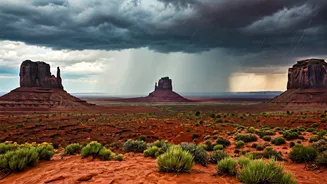
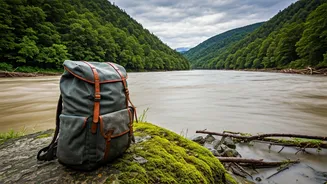
Not all terrain is created equal in a downpour. The most dangerous places to be during monsoon season are slot canyons, dry riverbeds (arroyos), and low-lying areas. Slot canyons are nature's narrow, sculpted hallways, but they can become inescapable death traps in minutes. Rainwater from a vast area funnels into these tight spaces, creating a torrent of water, rocks, and debris with incredible force. Similarly, a dry wash might seem like a convenient, flat hiking path, but it's a natural drainage channel. If you see dark clouds on the horizon, even if it’s not raining on you, get to higher ground immediately. Never, ever make camp in a dry wash.
Always Have a Plan B (and C)
Flexibility is the key to a successful monsoon-season trip. The epic slot canyon hike you’ve dreamed of for months might be a no-go, and you need to be okay with that. The most responsible decision you can make is to turn back or choose an alternative. Before your trip, research backup plans. What are the safe, high-ground trails in the area? Is there a scenic drive, a museum, or a visitor center you can explore instead? Framing it this way turns a potential disappointment into a smart, strategic choice. A cancelled hike is infinitely better than becoming a search-and-rescue statistic. Let go of a rigid itinerary and embrace the dynamic nature of your environment.
Respect the Road
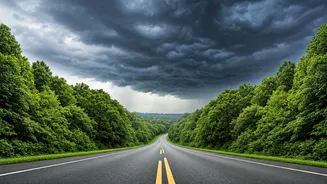
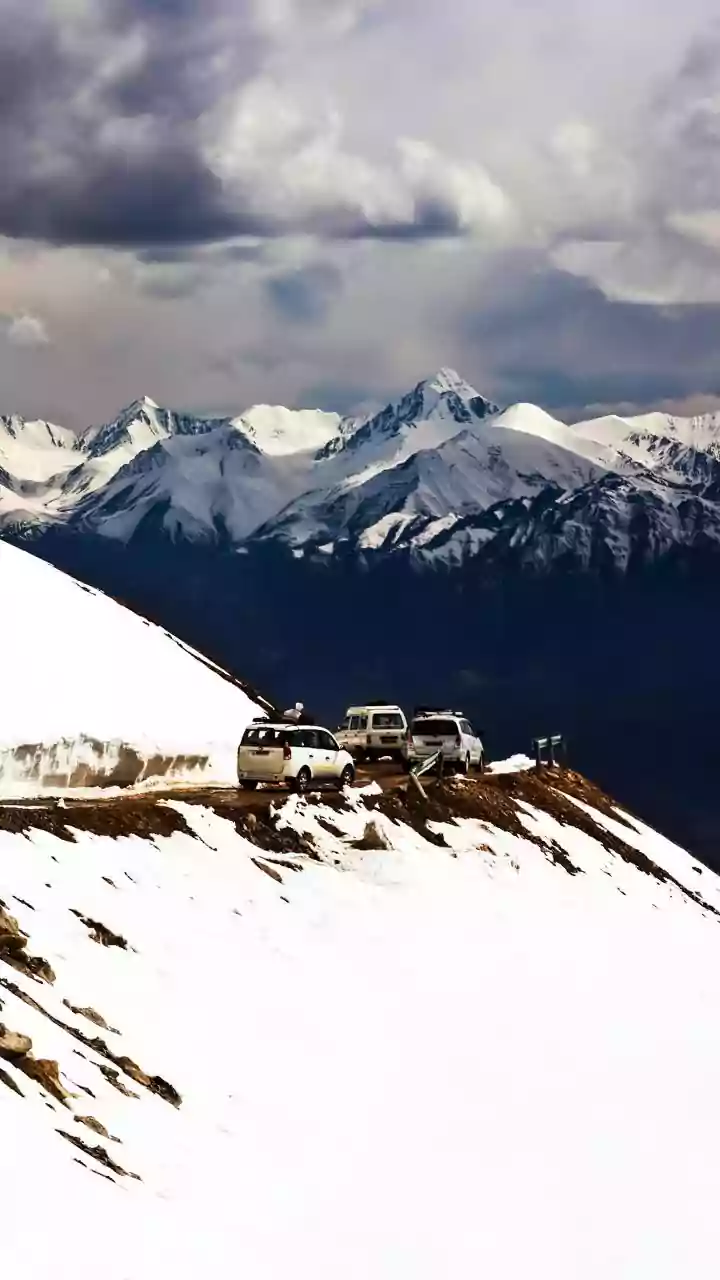
The phrase "Turn Around, Don't Drown®" is more than a catchy slogan; it's a life-saving directive. It’s shockingly easy to underestimate the power of moving water. According to the NWS, a mere six inches of water can knock over an adult, and just 12 inches can sweep away a small car. Two feet of rushing water can carry away most vehicles, including SUVs and pickups. If you encounter a flooded roadway, the only safe action is to stop, turn around, and find an alternative route. You have no way of knowing if the roadbed beneath the water is washed out or how deep the water truly is. Don’t risk it.
Pack for Problems
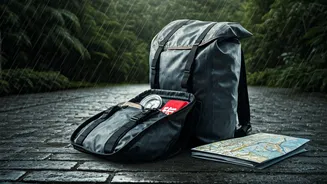
While your standard day-hike kit is a good start, monsoon travel requires a few extra considerations. Always carry extra water, food, and layers in case you are delayed by a washed-out road or have to wait out a storm. A waterproof rain jacket is non-negotiable. If you're venturing into the backcountry, a satellite communication device like a personal locator beacon (PLB) or satellite messenger can be a lifeline in areas without cell service. Inform someone of your detailed plans, including your intended route and expected return time. This isn't just about what's in your pack; it’s about a mindset of self-reliance and preparedness.
Understand What 'Responsible' Means
Being a responsible traveler in monsoon country goes beyond your own safety. It means making decisions that don't put an unnecessary burden on local communities and first responders. Every time a search-and-rescue team is dispatched for a preventable incident, it puts their lives at risk and pulls resources away from other potential emergencies. Respecting trail closures and park ranger advice isn't just about following rules; it's a sign of respect for the experts, the environment, and the local residents who call that place home. A responsible adventurer knows when the wisest adventure is the one not taken.