



The Heartbeat of Ladakh
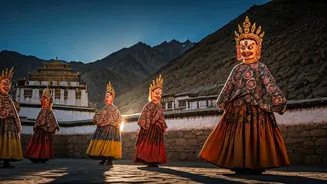
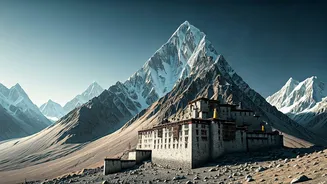
For two days every summer, the quiet courtyards of the Hemis Monastery, nestled in the Indian Himalayas, transform into a vibrant stage. This is the Hemis Festival, one of the most significant cultural events in the region of Ladakh. Held to honor Guru
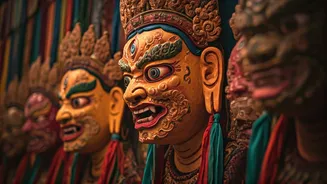
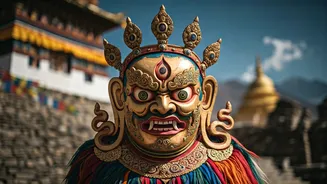
Padmasambhava, the 8th-century Buddhist master credited with spreading Tantric Buddhism in Tibet, the festival is a riot of sound, color, and spiritual devotion. Monks don elaborate silk costumes and dramatic, sometimes fearsome, masks to perform 'chaam,' or sacred masked dances. These ancient rituals, accompanied by the drone of long horns, the clash of cymbals, and the steady beat of drums, are more than a performance; they are a living prayer, a way to subdue evil spirits and bring prosperity and spiritual strength to all who witness them.
A Land Forged by Extremes
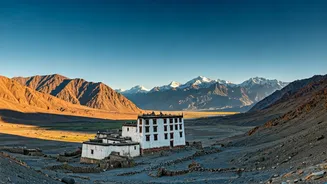
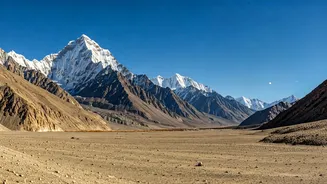
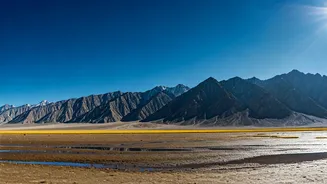
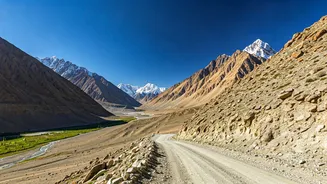
To understand the magic of the festival, you must first understand its setting. Ladakh, often called the “Land of High Passes,” is a high-altitude cold desert. For much of the year, it is a world of rock and ice, cut off from the rest of India by snow-clogged mountain passes. Summer brings a brief, intense reprieve. The sun beats down with high-altitude ferocity, melting glaciers and turning the valleys into patchworks of green barley fields. Yet, even in summer, the air remains thin and dry, the landscape perpetually veiled in a fine layer of dust kicked up by the relentless winds. It's a place of stark, breathtaking beauty, but one where clarity can feel like a luxury.
The Monsoon's Unlikely Gift
While the rest of India is drenched by the heavy monsoon, Ladakh, sitting in the rain shadow of the Himalayas, receives only a fraction of that moisture. What it does get, however, can feel like a miracle. Short, often intense showers arrive in the weeks leading up to the festival. For a land defined by dust, this rain is a purification. It tamps down the haze, washes the air clean, and makes the deep green of the valleys pop against the raw sienna of the mountains. When the clouds part, as they so often seem to do right as the festival begins, they reveal a sky of impossible depth and clarity. The sun doesn't just shine; it glitters. The colors aren't just bright; they are searingly vivid. This perfectly timed atmospheric cleansing gives the festival its legendary backdrop.
A Spectacle Under a Crystalline Sky
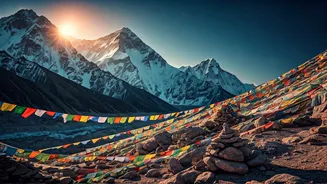
It’s under this brilliantly clear sky that the Hemis Festival truly comes alive. The newly washed air makes every detail sharper: the intricate gold thread on a monk’s robe, the fierce expressions carved into the wooden masks, the distant snow-capped peak of Stok Kangri visible beyond the monastery walls. The sunlight catches the spinning prayer wheels and the ornate brocades, turning the entire courtyard into a dazzling spectacle. For locals and the thousands of travelers who make the pilgrimage here, this confluence of events feels like more than a coincidence. It feels like a blessing—nature conspiring with culture to create a moment of pure, unadulterated wonder. The weather doesn’t just accommodate the festival; it elevates it, becoming an essential character in this ancient drama of good, evil, and enlightenment.