





The Tropical Thirst Trap
It might seem counterintuitive, especially for gardeners taught to fear overwatering, but many hibiscus varieties are native to tropical and subtropical regions where frequent rainfall and high humidity are the norm. These conditions are coded into their
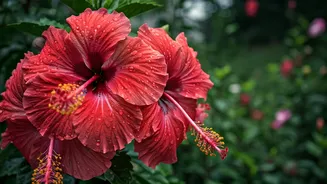
DNA. When a rainy spell hits, a hibiscus plant essentially 'thinks' it's back home in its ideal environment. The consistent moisture keeps the soil evenly damp, which the plant’s root system prefers over the dramatic wet-to-dry cycles common in many U.S. gardens. Furthermore, high humidity reduces the amount of water the plant loses through its leaves via transpiration. This allows the hibiscus to conserve energy and redirect it from mere survival toward its most dazzling function: producing big, vibrant flowers.
Rain's Refreshing Effect
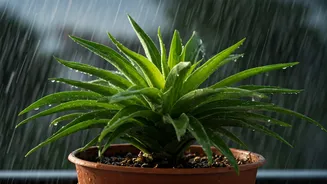
Rain does more than just water the roots. A gentle, steady shower acts as a natural leaf-washing service. Throughout dry and dusty periods, a fine layer of grime can accumulate on hibiscus leaves, partially blocking sunlight and hindering photosynthesis. A good rain washes this residue away, allowing the leaves to breathe and absorb maximum sunlight. This clean-leaf boost to photosynthesis provides the plant with a surge of energy, which it promptly invests in new growth and, most importantly, more flower buds. The slightly acidic nature of natural rainwater can also help release micronutrients in the soil that might be less available with alkaline tap water, giving the plant another subtle boost.
The Danger of 'Wet Feet'
While hibiscus plants love consistent moisture, they despise sitting in stagnant water. This is the crucial detail that separates a thriving, rain-soaked plant from a dying one. The key is drainage. A plant in a well-draining pot or a properly prepared garden bed will allow excess water from a downpour to flow away freely, keeping the soil moist but not waterlogged. In this scenario, the roots get all the water they need without suffocating. However, if a hibiscus is in heavy clay soil or a container with blocked drainage holes, a rainy week can lead to root rot. The roots, deprived of oxygen, begin to decay, and the plant will quickly show signs of distress, like yellowing leaves and drooping stems—the exact opposite of the desired flower explosion.
How to Maximize the Bloom Boom
To harness this rainy-day power, focus on creating the right conditions. First, ensure your hibiscus is planted in a loose, well-draining soil mix. If it’s in a pot, make sure it has ample drainage holes. During dry spells, try to mimic the consistency of rainy weather with deep, regular watering rather than light, frequent sprinkles. You can also boost humidity by misting the leaves in the morning or grouping it with other plants. Second, remember that heavy rains can leach nutrients from the soil. To support the increased flower production, you’ll need to fertilize. Use a balanced fertilizer that is high in potassium (the 'K' in N-P-K), as potassium is the key nutrient for flower development. A low-phosphorus blend often called a “hibiscus fertilizer” is ideal for promoting blooms without encouraging excessive leaf growth.