






Beyond the Stereotype
For decades, Goa has been synonymous with the peak-season tourist blitz. From December to February, its northern beaches teem with international and domestic travelers drawn to electronic music festivals, bustling flea markets, and a hedonistic, sun-worshipping
vibe. This is the Goa of postcards and party anthems, a vibrant but sometimes overwhelming spectacle. But when the charter flights depart and the first monsoon clouds gather in June, the state undergoes a profound transformation. The focus shifts from the coast to the interior, from the crowd to the self, revealing a soul that has been there all along, waiting patiently under the surface.
The Monsoon's Verdant Makeover
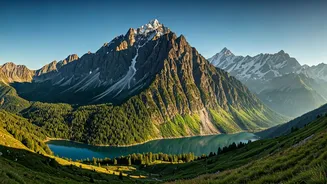
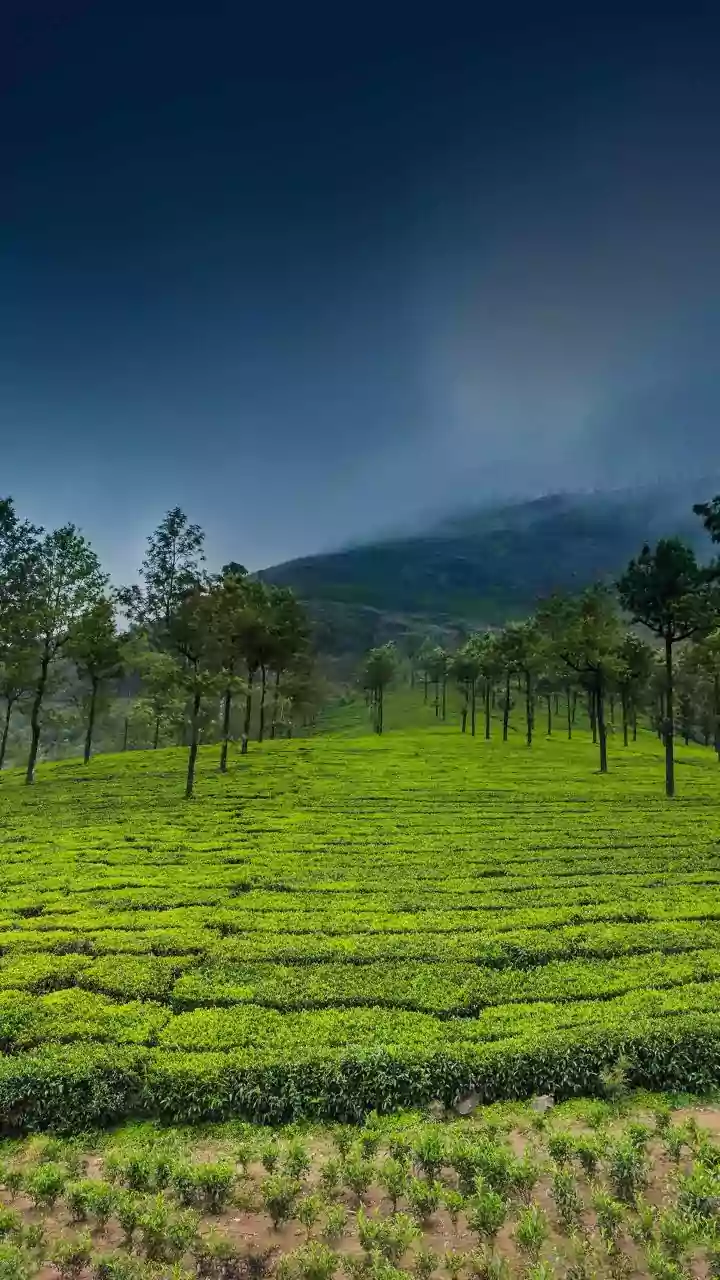
The arrival of the monsoon is not a subtle event; it’s a full-sensory takeover. The parched, dusty landscape of the dry season gives way to an explosion of life. A thousand shades of green reclaim the scenery, from the emerald carpets of paddy fields to the deep, mossy hues of the Western Ghats mountain range. Rivers swell, and waterfalls like the famous Dudhsagar, largely a trickle in the summer, roar back to life, cascading through the lush forests. The air itself feels different—clean, heavy with petrichor (the earthy scent of rain on dry soil), and punctuated by the rhythm of dripping water and the chorus of frogs. This is “Green Goa,” a landscape so vivid it feels like stepping into a watercolor painting.
A Slower, Soulful Rhythm
With the drop in tourist numbers comes a palpable change of pace. The frantic energy of high season dissolves into a state of contented languor the locals call *susegad*—a uniquely Goan concept of relaxed satisfaction and taking life at a leisurely pace. The days become structured by the weather rather than a packed itinerary. Mornings might be for visiting a local spice plantation, where the scents of cardamom, vanilla, and pepper hang heavy in the humid air. Afternoons are for curling up with a book on a covered veranda, or *balcão*, listening to the steady drum of rain on the roof tiles. The beaches, now largely empty, are perfect for long, contemplative walks under dramatic, cloud-filled skies, where the rough Arabian Sea puts on a show.
Romance in the Rain
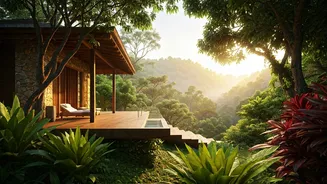
This slower, quieter atmosphere is inherently romantic. The season feels tailor-made for couples seeking connection away from the crowds. Imagine renting a beautifully restored Portuguese-era villa in a quiet South Goan village, its ochre walls streaked with rain and its gardens blooming with hibiscus. You could spend your days exploring ancient churches, sharing a seafood curry at a family-run restaurant where you’re the only guests, or simply watching the rain trace patterns on the windowpane. The evenings are cozy and intimate. Many of the finer restaurants and resorts remain open, offering candlelit dinners with the sound of the ocean and the rain as your soundtrack. It’s a far cry from the crowded beach shacks of winter, offering a more profound and personal sense of place.