






What Exactly Is a Wildlife Break?
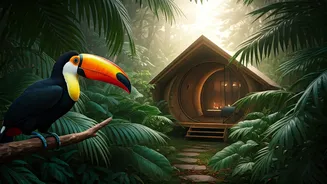
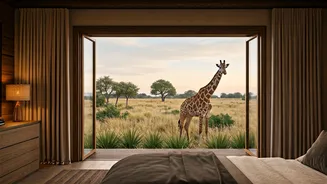
A wildlife break isn't just a hotel located near a national park. It’s an immersive travel experience where your accommodation is situated directly within a wildlife sanctuary, conservation center, or expansive private reserve. Think less about a room
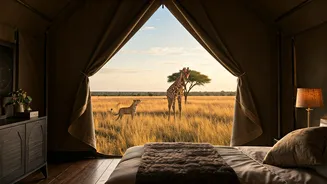
with a view and more about a cabin, yurt, or lodge where the barrier between you and the natural world is thoughtfully and safely minimized. The wildlife isn't an incidental part of the scenery; it's the main event. Destinations like The Wilds in Ohio, a 10,000-acre conservation park, offer private yurts overlooking vast pastures roamed by rhinos and giraffes. Similarly, Texas's Fossil Rim Wildlife Center allows guests to stay in lodges on-site, providing unparalleled access to its cheetah and wolf conservation programs. This is hospitality reimagined, where the primary luxury is proximity to the animal kingdom.
From Room Service to Roaming Herds
The fundamental trade-off of a wildlife break is swapping passive amenities for active experiences. The standard hotel checklist—pool, spa, 24-hour room service—is replaced with a schedule dictated by the rhythms of nature. Mornings might start with a pre-dawn safari tour to see animals at their most active, while evenings are spent around a fire pit listening to a naturalist talk about local conservation efforts. Instead of the murmur of a hotel lobby, the soundtrack is the chirp of insects, the rustle of unseen creatures in the brush, or the distinct call of a nearby herd. This shift appeals to a deeper desire for connection and participation. Guests aren't just observing nature from a distance; they are living within it for a few days, creating a far more memorable and visceral experience than simply checking into a city high-rise.
The 'Why' Behind the Wildlife Trend
This growing interest isn’t happening in a vacuum. It’s fueled by several modern cultural shifts. First, there's the well-documented demand for experiences over possessions. Travelers, especially millennials and Gen Z, increasingly seek out unique, story-worthy adventures that offer more than just a pretty picture for social media. Second, a rising tide of eco-consciousness has made travelers more critical of their environmental footprint and more interested in supporting businesses with a clear conservation mission. Many wildlife breaks directly fund the care of the animals and the preservation of their habitats, allowing tourists to feel that their vacation dollars are making a positive impact. Finally, after years of screen-heavy, indoor-oriented life, the simple, restorative power of being in nature holds a powerful allure. These escapes offer a genuine opportunity to disconnect from digital noise and reconnect with something primal and real.
Not Just for Rugged Survivalists
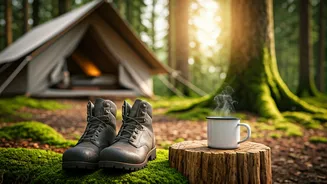
The term “wildlife break” might conjure images of roughing it in a drafty tent, but the reality is often far more comfortable. The modern wildlife lodging experience frequently falls under the umbrella of “glamping” or luxury ecotourism. Many of these accommodations offer premium amenities like plush beds, private bathrooms, heating and air conditioning, and even gourmet meals delivered to your door. The goal is to provide comfort and security while maximizing the sense of immersion in the wild. Safari West in California’s wine country, for instance, houses guests in luxurious safari tents imported from Africa, complete with hardwood floors and en-suite showers. The luxury here isn't defined by gold fixtures or an army of bellhops, but by the exclusive, unforgettable experience of hearing a distant roar while tucked into a comfortable bed.