







The End of the Compromise
The core of this revolution is a simple but profound shift: you no longer have to be a vegetarian to eat, and love, vegetarian food. For decades, plant-based options were seen as a compromise—a sacrifice of flavor and texture for ethical or dietary reasons.
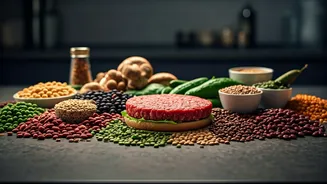
The first-wave veggie burgers and soy-based substitutes were functional but rarely craved by the carnivorous mainstream. That paradigm is officially broken. Companies like Impossible Foods and Beyond Meat didn’t just create better veggie burgers; they created products engineered to appeal directly to meat-eaters. By isolating and using ingredients like soy leghemoglobin (or ‘heme’) to mimic the bloody, umami-rich sizzle of beef, they closed the satisfaction gap. The goal was no longer to create the best *veggie* burger, but a great burger that just happened to be made from plants. This focus on sensory experience, from sizzle to chew, is what turned a niche market into a cultural phenomenon.
Driven by a 'Flexitarian' Army
While vegetarians and vegans are the spiritual heart of the movement, its commercial engine is the ‘flexitarian’—a massive and growing cohort of consumers who actively reduce their meat consumption without eliminating it entirely. This group isn't driven by a single ideology but a convergence of factors. For some, it’s health. Studies linking high consumption of red and processed meats to health issues have made many people ‘plant-curious.’ For others, it’s the environment. The high carbon, water, and land footprint of industrial animal agriculture is a well-documented concern, and choosing a plant-based meal is an accessible way for individuals to feel they are making a positive impact. Finally, a younger generation is increasingly aware of the ethical questions surrounding animal welfare. This ‘perfect storm’ of motivations means the potential audience for veg protein is no longer a small, committed group but a huge portion of the general population looking for better, more varied options.
Beyond the Bleeding Burger
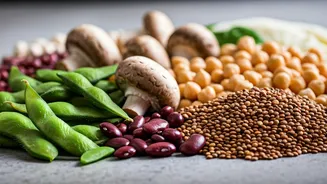
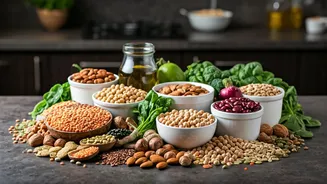
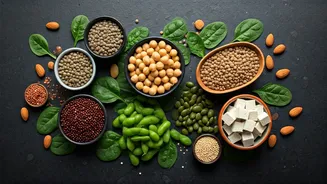
While hyper-realistic burgers kicked the revolution into high gear, the innovation is now spreading across the entire grocery store. The same principles of food science and consumer focus are being applied to everything. Plant-based chicken, using technologies like high-moisture extrusion to replicate the fibrous texture of muscle, has moved beyond breaded nuggets to convincing grilled filets. Pork alternatives are appearing in sausages and even pulled pork. The seafood category, once an afterthought, is seeing the rise of plant-based tuna, shrimp, and crab cakes made from ingredients like algae, konjac root, and pea protein. But the revolution also includes a renewed appreciation for whole-food proteins. Canned chickpeas and lentils aren't just for soups anymore; they are the foundation of popular snacks, pastas, and pre-made meals, marketed for their clean labels and inherent nutritional benefits. The movement is diversifying, offering everything from high-tech mimicry to humble, cleverly packaged legumes.
What's Next: The Future Is Fermented
The next phase of the revolution is already underway, and it’s moving beyond simple plant ingredients. Precision fermentation is a game-changing technology that uses microorganisms (like yeast) to produce specific, high-value proteins—including whey and casein, the very proteins that give dairy products their signature taste and texture. This allows for the creation of animal-free dairy that is functionally identical to the real thing, eliminating the texture and melting issues that have plagued vegan cheeses for years. Similar technology is being used to create egg whites, collagen, and other ingredients without any animal involvement. While still expensive and in its early stages, this technology promises a future where the line between ‘plant-based’ and ‘animal-based’ becomes even blurrier, focusing instead on sustainable, ethical, and identical proteins produced in a lab instead of on a farm.