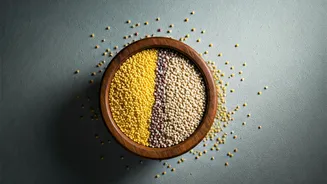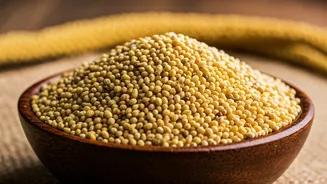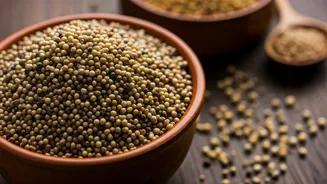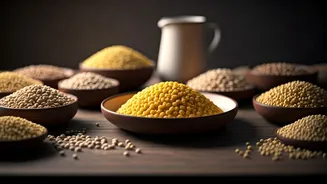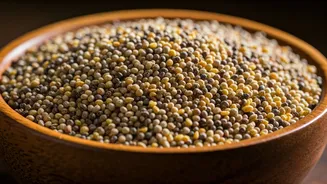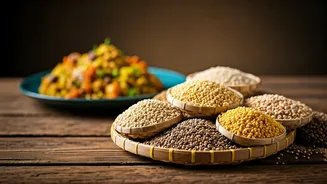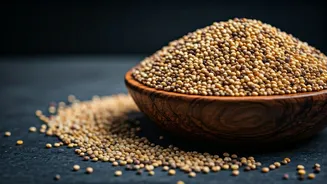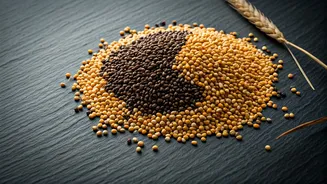


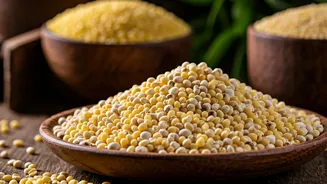
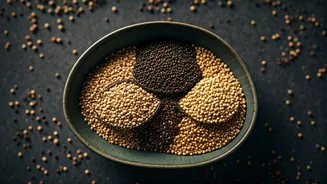
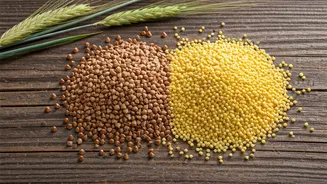
So, What Exactly Is Millet?
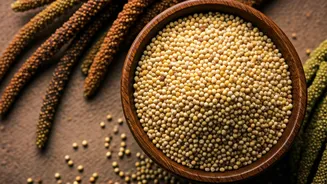
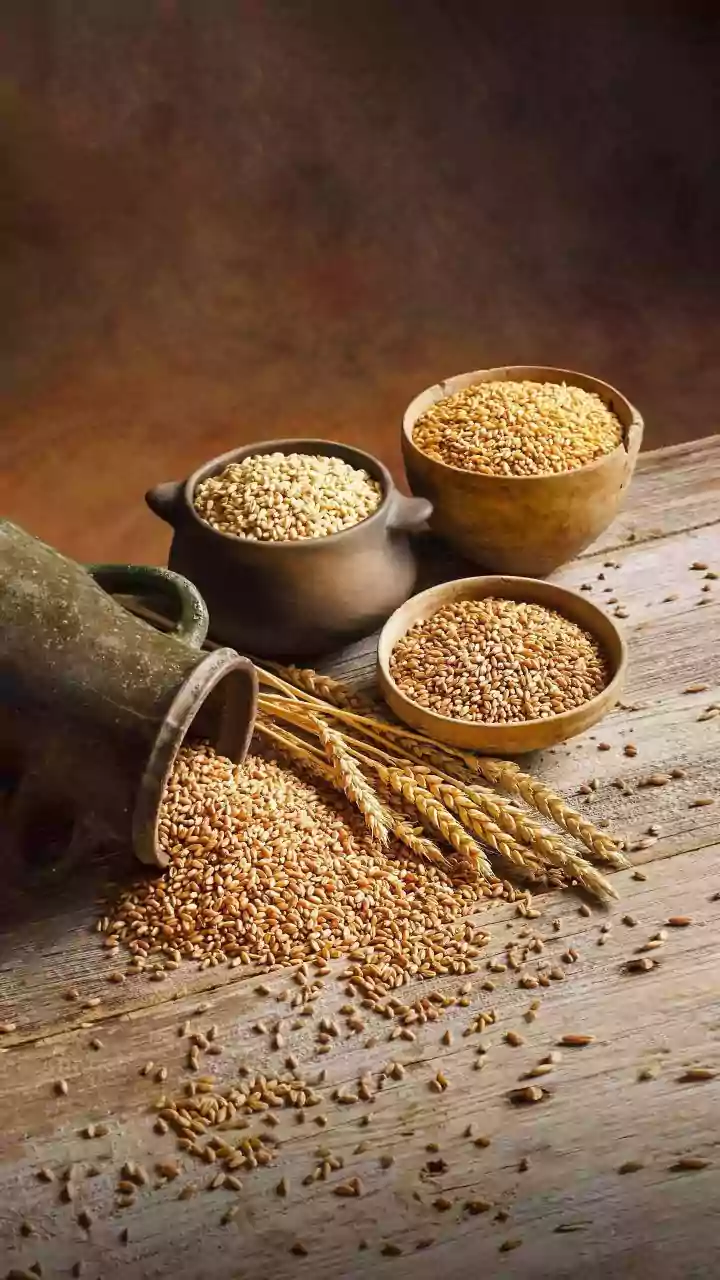
First, a quick clarification: millet isn’t a single type of grain. It’s a group of small-seeded grasses that have been cultivated for over 7,000 years, making them one of the world's oldest foods. While it might seem new to many Americans, it’s a long-standing
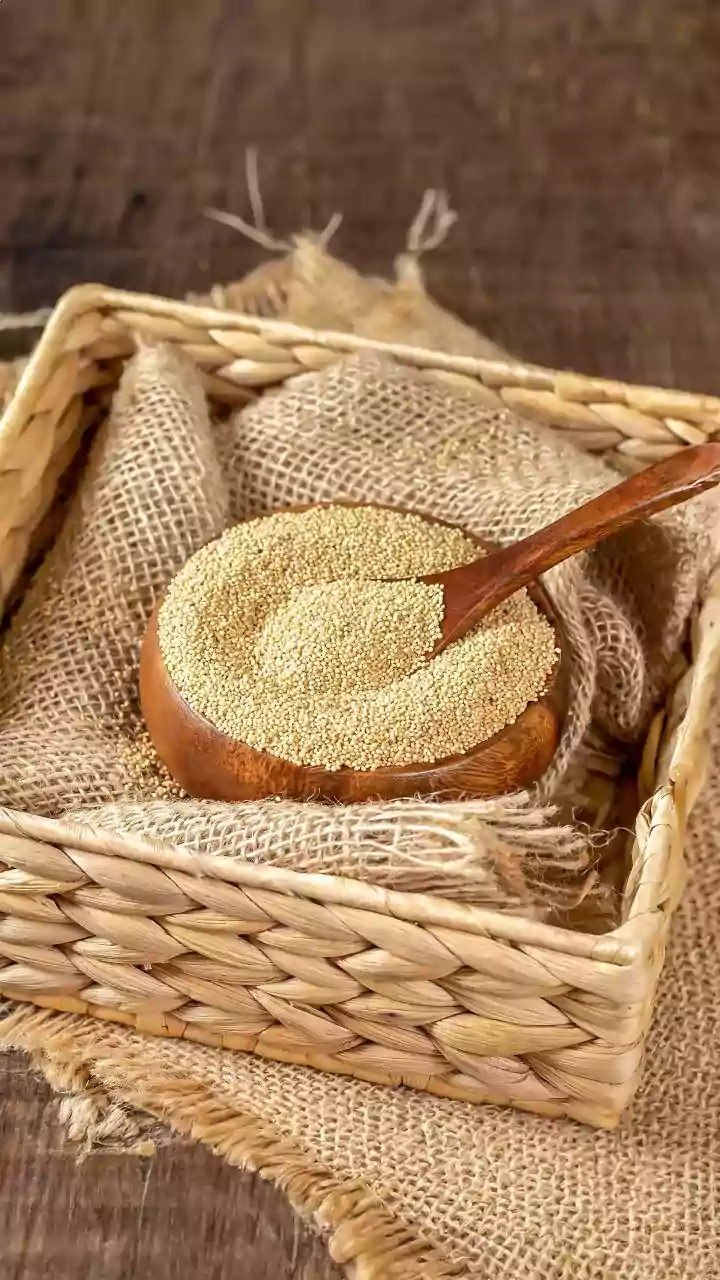
staple in parts of Asia, Africa, and India. Unlike wheat or rice, millets are incredibly hardy, capable of growing in arid, hot climates with minimal water. This resilience is a huge part of their modern appeal. The most common variety you’ll find in U.S. stores is proso millet, which cooks up into a light, fluffy grain with a mild, slightly nutty flavor, making it a perfect blank canvas for breakfast dishes.
A Nutritional Powerhouse in a Tiny Package
The primary driver behind millet's resurgence is its impressive nutritional profile. For starters, it’s naturally gluten-free, making it an excellent alternative for those with celiac disease or gluten sensitivity who are tired of rice and quinoa. But its benefits go much further. Millet is rich in dietary fiber, which aids digestion and promotes a feeling of fullness, helping to prevent mid-morning snack attacks. It’s also a good source of plant-based protein and packed with essential minerals like magnesium, which is crucial for muscle and nerve function, and phosphorus, vital for bone health. Its complex carbohydrates are digested slowly, providing steady energy without the sugar crash associated with many processed breakfast cereals.
Why Is It Trending Right Now?
Millet’s comeback isn’t an accident. Several factors are aligning to push it into the spotlight. The United Nations declared 2023 the "International Year of Millets" to raise awareness of its nutritional benefits and its potential to enhance food security in a changing climate. This global endorsement put it on the radar of chefs, nutritionists, and food brands. Furthermore, as consumers increasingly seek out sustainable food choices, millet stands out. It's a low-input crop that requires significantly less water than wheat, corn, or rice, giving it a much smaller environmental footprint. This combination of being good for you and good for the planet makes it a perfect fit for the modern, conscious consumer.
How to Weave Millet into Your Morning
The beauty of millet is its versatility. It can be savory or sweet, creamy or fluffy, depending on how you prepare it. Forget boring porridge—here are a few easy ways to get started:
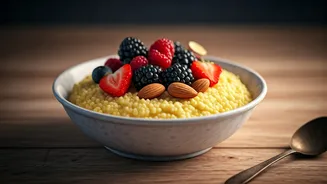
• **Creamy Breakfast Bowl:** Cook millet with a little more liquid (milk, almond milk, or water) until it’s soft and creamy, like oatmeal. Top it with berries, nuts, a drizzle of maple syrup, and a dash of cinnamon.
• **Puffed Millet Cereal:** Look for puffed millet in the cereal aisle. It’s light, crispy, and makes a fantastic low-sugar cereal base. Just add milk and your favorite fruit.
• **Savory Breakfast Scramble:** Cook millet until fluffy and then sauté it with scrambled eggs, spinach, and a sprinkle of feta cheese for a protein-packed start to your day.
• **Millet Flour Pancakes:** Swap out regular flour for millet flour in your favorite pancake or waffle recipe. It adds a delicate, slightly sweet flavor and a tender texture.
A Simple Guide to Cooking Perfect Millet
Cooking millet is straightforward, but a few tips can elevate the result. For a fluffier texture, perfect for adding to scrambles or salads, use a 1:2 ratio of millet to liquid (one cup of millet to two cups of water or broth). For a creamier, porridge-like consistency, increase the liquid to a 1:3 ratio. Before you cook it, give it a good rinse in a fine-mesh sieve. For an extra layer of nutty flavor, toast the dry, rinsed grains in a pot for a few minutes until they become fragrant, then add your liquid, bring to a boil, and simmer covered for about 15-20 minutes, or until the liquid is absorbed. Let it stand, covered and off the heat, for 10 minutes before fluffing with a fork.