


The Sun Sets on ‘Revenge Travel’
For a couple of years, “revenge travel” was the dominant force in tourism. After lockdowns and restrictions, the collective impulse was to go everywhere, do everything, and make up for lost time. The result was predictable: soaring prices, chaotic airports,
and tourist hotspots groaning under the weight of record crowds. Now, the hangover has set in. Travelers are realizing that a checklist of Instagrammable moments doesn't equate to a restorative experience. The new luxury isn't about extravagance; it's about sanity. The focus has pivoted from seeing as much as possible to feeling as good as possible, marking a move toward intentionality over intensity.
Coolcationing: The New Hot Ticket
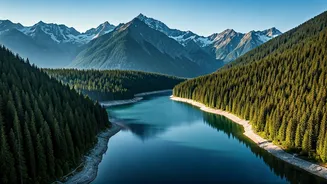
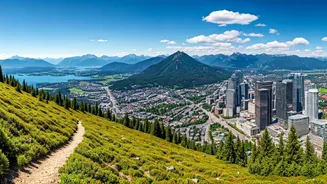
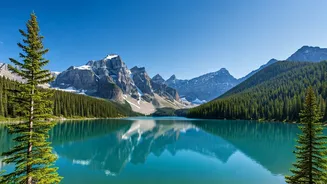
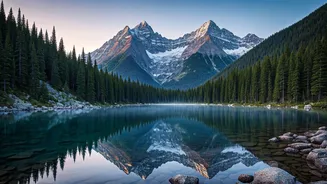
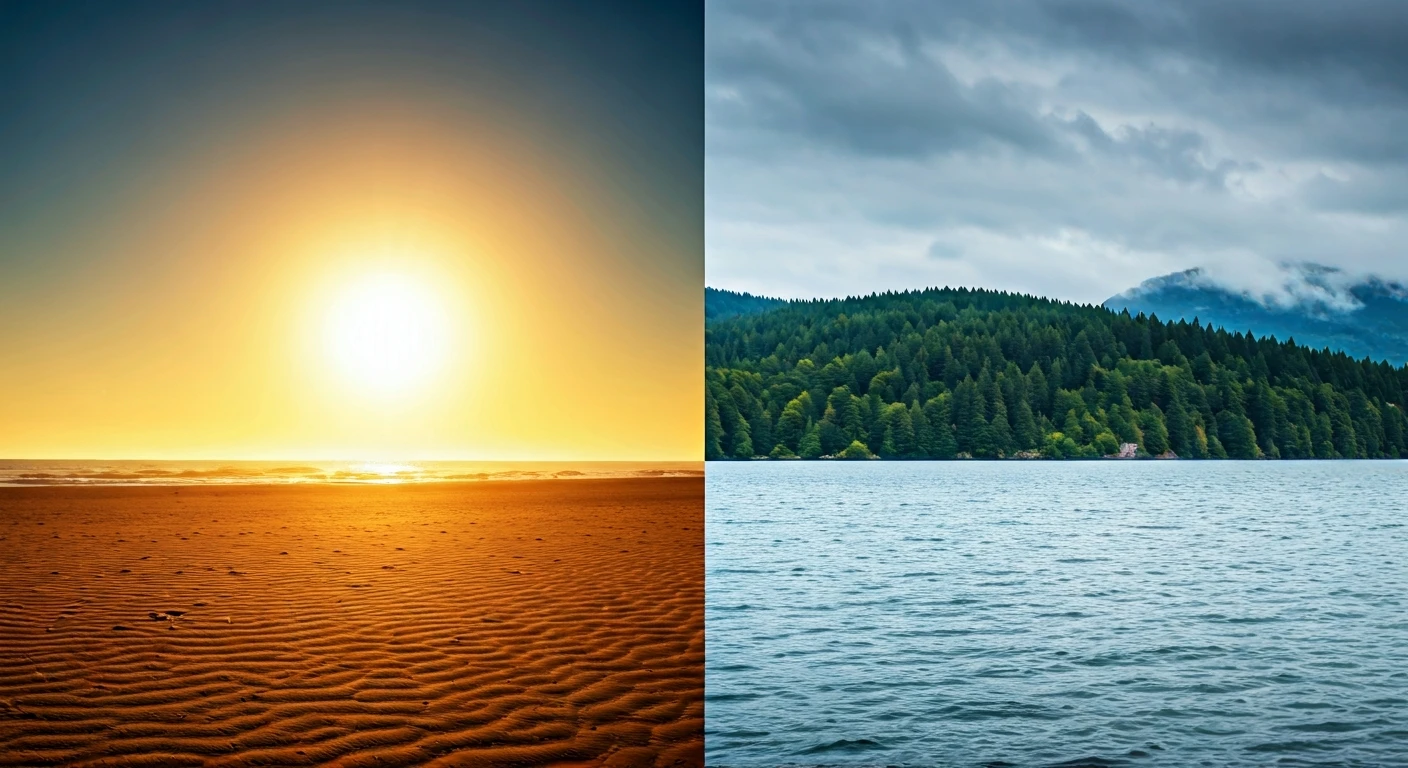
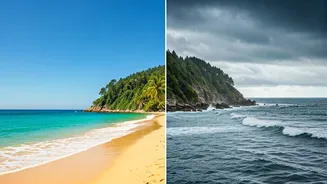
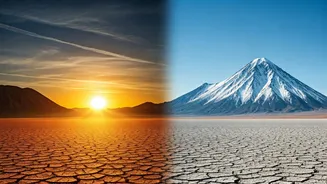
Perhaps the most concrete example of this shift is the rise of the “coolcation.” Instead of flocking to Mediterranean beaches or sweltering American deserts in July and August, a growing number of travelers are actively seeking out milder, more comfortable climates. Think the dramatic coastlines of Oregon or Maine, the lush greenery of the Scottish Highlands, the serene lakes of Scandinavia, or the crisp mountain air of the Canadian Rockies. This isn't just about avoiding a little sweat; it’s a direct response to increasingly extreme summer heat waves that can make traditional destinations unbearable. A vacation where you’re not constantly seeking air conditioning is, for many, the ultimate feel-good move.
Choosing Depth Over Distance
The “feel-good” ethos is also fueling the slow travel movement. Instead of a whirlwind seven-cities-in-seven-days tour, this approach champions staying in one place for longer. It means unpacking your suitcase, getting to know a single neighborhood, finding a favorite local coffee shop, and shopping at the farmer’s market. This style of travel replaces the anxiety of logistics and tight schedules with the simple pleasure of immersion. It lowers the carbon footprint, often reduces costs, and allows for genuine connection with a place rather than a superficial glance. It’s a vacation that feels less like a performance and more like a temporary life lived elsewhere.
The Joy of Missing Out
A key part of the stressful vacation cycle was the pressure to document everything. If you didn’t post the perfect sunset or the envy-inducing meal, did it even happen? The new mindset embraces JOMO—the Joy of Missing Out. This means consciously unplugging, putting the phone away, and being present in the moment. A “feel-good” trip is measured not by the number of likes it generates, but by the quality of the memories created. This might mean leaving the phone in the hotel room during dinner or spending an afternoon reading a book by a lake instead of rushing to the next landmark. It’s a rebellion against the digital performance of modern life and a return to travel as a personal, private joy.
Finding Newness in the Familiar
Finally, feeling good doesn’t always require a long-haul flight. The stress, expense, and environmental impact of air travel are leading many to rediscover the appeal of the “near-cation.” Exploring a national park a few hours’ drive away, renting a cabin in a nearby state, or even just booking a hotel in your own city for a weekend can provide the reset needed without the associated burnout. This approach saves time and money, reduces travel anxiety, and encourages a deeper appreciation for the hidden gems in our own backyards. It’s a reminder that the goal is rejuvenation, and sometimes the best way to achieve it is by keeping things simple.