



More Than Just Temperature
Before you reach for another ice cream cone, consider a different approach to cooling down. In India, beating the heat has long been a culinary art, rooted in the principles of Ayurveda. This traditional system doesn't just focus on the physical temperature
of food but on its energetic effect on the body. The goal is to pacify 'pitta dosha,' the element representing heat and metabolism. Foods are categorized as 'heating' or 'cooling' based on how they impact your internal thermostat after digestion. It’s a philosophy that shifts the focus from temporary, icy relief to long-term, internal balance. And as temperatures rise globally, this time-tested wisdom is finding a new, eager audience online.
Yogurt and Lassi: The Probiotic Powerhouse
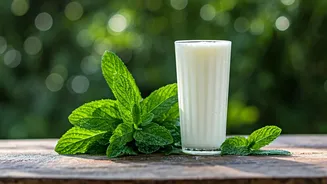
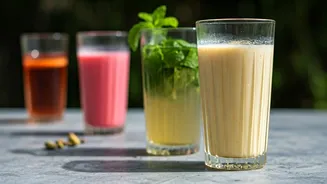
Walk through any Indian city on a scorching day, and you'll find lassi stands on every corner. This iconic yogurt-based drink is a summer staple for a reason. Yogurt, or 'dahi,' is considered a primary cooling agent, thanks to its probiotic content and ability to soothe the digestive system, which can work overtime in the heat. A classic lassi, whether salty ('chaas') or sweet (often with mango or rosewater), rehydrates, replenishes sodium lost through sweat, and provides a dose of protein. It's more than a smoothie; it's a complete, cooling meal in a glass that's both deeply traditional and incredibly photogenic.
Aam Panna: The Tangy Green Mango Elixir
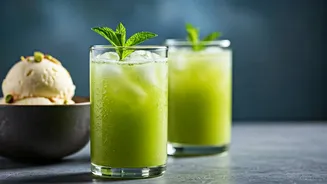
Before mangoes ripen into their sweet, golden glory, they exist in a raw, green, and wonderfully tart state. This is the key ingredient for Aam Panna, a quintessential Indian summer cooler. The raw mango is boiled and blended into a pulp with water, sugar, and an array of spices like cumin, black salt, and mint. The resulting drink is a tangy, sweet, and savory explosion that does more than just taste good. It's packed with electrolytes and is traditionally believed to prevent heat stroke and combat dehydration. It’s the perfect antidote to a sweltering afternoon, offering a complex flavor profile far more interesting than your average lemonade.
Sabja Seeds: Nature's Tiny Coolers
If you’re familiar with chia seeds, you’re ready to meet their Indian cousin: sabja, or basil seeds. When soaked in water, these tiny black seeds swell up, forming a gelatinous coating. They have a subtle flavor but a powerful effect. Traditionally, they are added to drinks like lemonade ('nimbu pani'), milkshakes ('falooda'), and sherbets. Their primary function is to cool the body from the inside out. The gel-like texture is incredibly hydrating and helps cleanse the stomach. As wellness influencers continue to explore ancient superfoods, sabja seeds are making their way into modern health-conscious diets as a natural, effective way to stay comfortable when the mercury rises.
The Right Produce and Spices
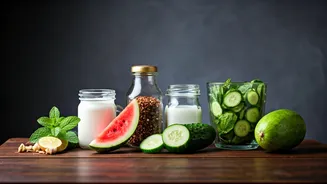
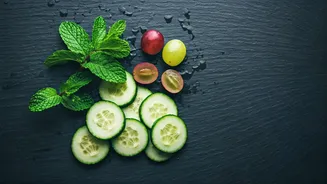
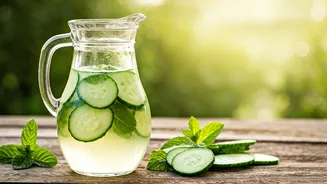
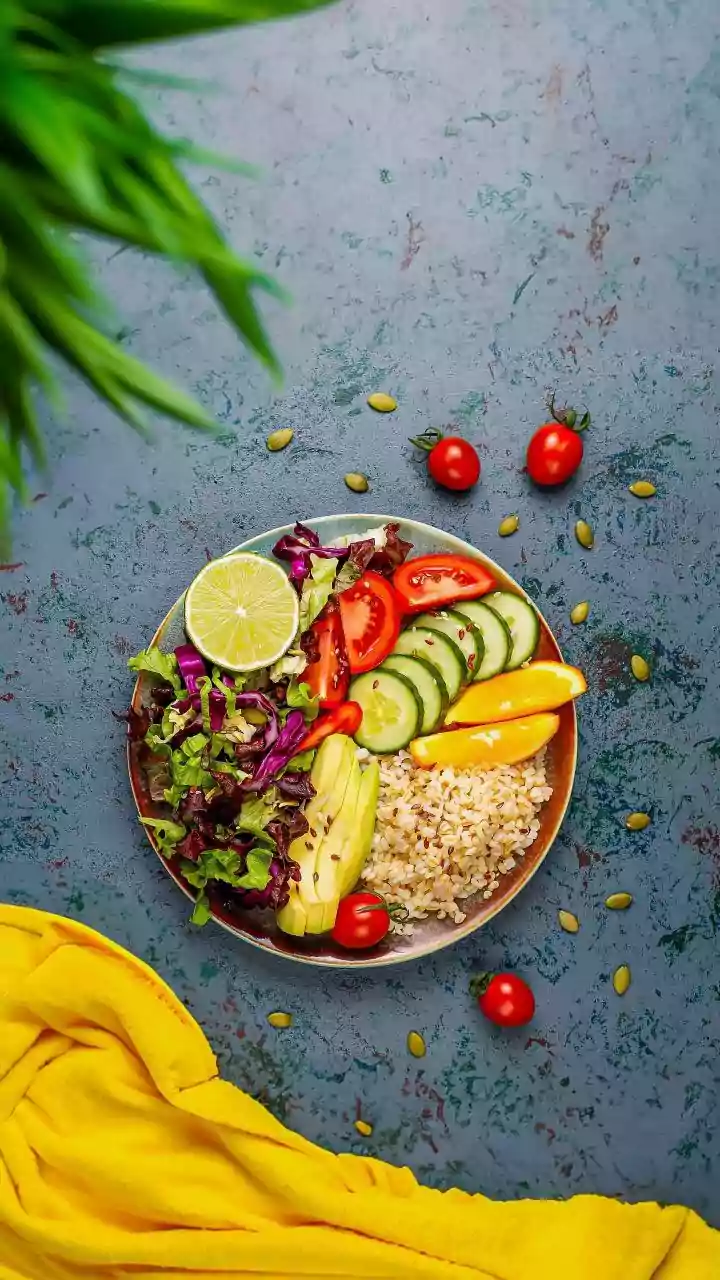
Indian summer eating isn't just about special drinks; it's a holistic approach. Diets shift to favor vegetables with high water content, like cucumber, zucchini, and leafy greens. A simple cucumber 'raita' (yogurt dip) or a 'kachumber' salad of chopped cucumber, tomato, and onion becomes a fixture at meals. Even the spice rack gets a seasonal adjustment. While it seems counterintuitive to eat spices in the heat, many commonly used in Indian cuisine are considered cooling. Fennel seeds, cardamom, coriander, and mint are all prized for their ability to refresh the palate and aid digestion without adding excess 'heat' to the body. It’s a nuanced system where flavor is never sacrificed for function.