






The End of the Casual Grocery Run
Not long ago, a weeknight trip to the store might have involved casual browsing and a few impulse buys. Today, for millions of Americans, it’s a strategic mission. The era of spontaneous shopping is giving way to meticulous planning, driven by the relentless
pressure of food inflation, which has outpaced overall inflation for much of the past few years. Shoppers arrive armed with lists, digital coupons, and a calculator app at the ready. This isn't just about being thrifty; it's a defensive posture against a grocery bill that can feel unpredictable and out of control. The 'what's for dinner?' question is no longer answered in the aisle but days in advance through rigorous meal planning. Items once considered staples are now scrutinized, with consumers asking not just 'Do I need this?' but 'Can I find it cheaper, or can I live without it entirely?' This shift marks a return to a kind of Depression-era pragmatism, where every dollar in the food budget has a job to do.
The Great American Trade-Down
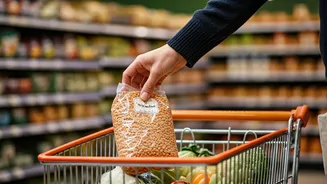
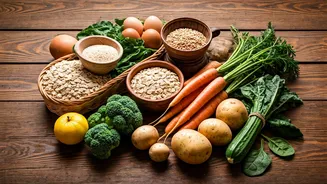
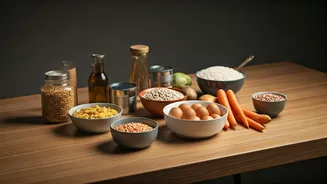
The most visible transformation is happening inside the cart. Consumers are engaged in a massive 'trade-down' phenomenon. The first and easiest swap is from name brands to private-label or store-brand alternatives, a category that has seen explosive growth. Shoppers are discovering that the generic version of their favorite cereal, pasta sauce, or yogurt is often just as good for a fraction of the price. But the trading down goes deeper. It's also about protein. Ribeye steaks are being replaced by ground beef or cheaper chicken thighs. Fresh salmon is swapped for frozen tilapia or canned tuna. For many, meat is appearing on the dinner table less frequently altogether, replaced by more affordable proteins like beans, lentils, and eggs. This isn't necessarily about giving up favorite foods but finding more economical pathways to enjoy them. It’s the logic of social media 'dupe' culture applied to the refrigerator: finding a satisfying, budget-friendly substitute for a premium product.
The Kitchen Is the New Restaurant
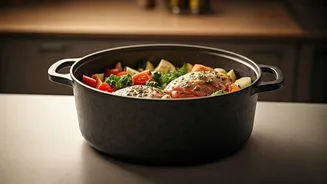
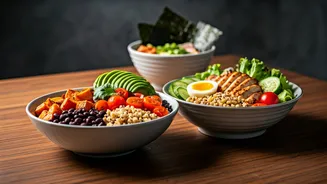
When budgets get tight, discretionary spending is the first to go, and for most households, that means dining out. The restaurant and takeout boom fueled by the pandemic has hit a wall. According to consumer spending data, restaurant traffic has softened as more people conclude that a single meal out can cost as much as several days' worth of home-cooked groceries. This has sparked a renaissance in home cooking, but with a modern twist. People aren't just reheating canned soup; they're trying to replicate the restaurant experience at home. They’re making their own craft pizzas, mixing their own cocktails, and perfecting their own versions of popular takeout dishes like Pad Thai or burrito bowls. This trend saves money, but it also transforms the home kitchen into a hub of creativity and connection, a place where families can control ingredients and costs while still enjoying a satisfying meal.
An Accidental Health Reckoning
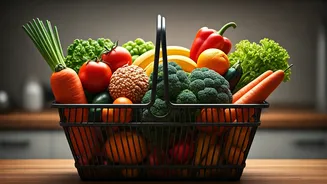
The health implications of these dietary shifts are complex and contradictory. On one hand, cooking more at home, eating less processed restaurant food, and potentially reducing red meat consumption can lead to positive health outcomes. People have more control over sodium, sugar, and fat content when they cook from scratch. However, the opposite can also be true. For families under severe financial strain, the trade-down can mean shifting from fresh fruits and vegetables—which have seen significant price hikes—to cheaper, more shelf-stable, and often less nutritious processed foods. Ultra-processed items like instant noodles, boxed macaroni and cheese, and sugary snacks can offer more calories per dollar, creating a painful choice between health and solvency. The budget-driven diet isn't universally healthier or unhealthier; instead, it reveals the deep connection between economic well-being and nutritional access.