

The Obvious Villain: Mosquitoes
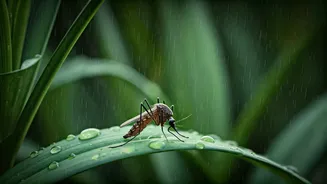
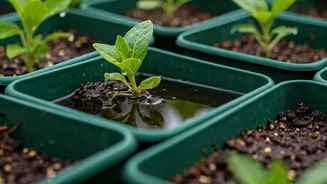
Let’s start with the most immediate threat buzzing around your home. That small amount of runoff in your plant saucers might seem harmless, but to a mosquito, it’s a luxury waterfront nursery. In warm, humid monsoon weather, mosquitoes can go from egg
to adult in as little as a week, and they don’t need a swimming pool to do it. A bottle cap’s worth of water is enough. When you leave water sitting in plant trays, you are essentially hanging a vacancy sign for mosquitoes looking to lay eggs. These aren’t just a nuisance; they are vectors for diseases like West Nile virus and Zika virus, both present in the United States. Public health officials in monsoon-prone states like Arizona and New Mexico consistently rank standing water in residential areas as a primary driver of mosquito populations. Your diligent pot-tending can play a small but significant role in community health. Emptying those trays every day, or at least every other day, breaks the breeding cycle and makes your home a less hospitable place for these pests.
The Silent Killer Below: Root Rot
While you’re fighting the visible enemy, a more insidious threat could be developing below the soil. For a plant, monsoon season is a double-edged sword. The air is thick with humidity, which means less water evaporates from the leaves and, crucially, from the soil. Even if you maintain your regular watering schedule, the soil stays wetter for longer. Now, add a saucer full of water to that equation. When a plant’s pot sits in standing water, the soil at the bottom becomes completely saturated. This chokes the roots, cutting off their oxygen supply. This oxygen-deprived, waterlogged environment is the perfect breeding ground for fungi and bacteria that cause root rot. The signs are often subtle at first—a little yellowing, some wilting that looks like thirst—but by the time you notice, the damage is often severe. The plant essentially drowns from the bottom up. By keeping those trays dry, you ensure that excess water drains away completely, allowing the roots to breathe and preventing the onset of this common plant-killer.
An Invitation for Fungus Gnats
If mosquitoes are the dangerous pest and root rot is the silent killer, fungus gnats are the unbearably annoying houseguests who refuse to leave. These tiny, black flies aren’t harmful to humans, but they are a massive nuisance, swarming around your face, getting into your drinks, and generally ruining the peaceful ambiance of your indoor jungle. Like mosquitoes, fungus gnats are attracted to moisture. Their larvae thrive in the top few inches of damp soil, feeding on fungi and organic matter. A constantly wet plant, especially one sitting above a perpetually damp saucer, is a five-star resort for fungus gnats. The water in the tray contributes to overall soil saturation and creates a humid microclimate around the base of the plant that these pests adore. Keeping the saucer dry is a critical first step in an integrated pest management strategy. It disrupts their life cycle and makes your home far less appealing, forcing them to find a soggier welcome mat elsewhere.
Your Monsoon-Ready Plant Plan
Emptying trays is the most important step, but you can level up your monsoon plant care. Since the soil will naturally stay moist for longer, adjust your watering routine. Instead of watering on a fixed schedule, check the soil manually. Stick your finger two inches deep; if it feels damp, wait another day or two before watering. Consider bottom-watering for plants that are prone to rot. Place the pot in a sink or tub with a few inches of water for 20-30 minutes, letting it soak up what it needs. Then, and this is the key part, let it drain completely before returning it to its (dry) saucer. Finally, think about airflow. High humidity and stagnant air are a recipe for fungal issues like powdery mildew. If your home feels particularly stuffy, running a small fan near your plant collection for a few hours a day can work wonders. It helps evaporate excess moisture from the soil and leaves, keeping your plants both happy and healthy through the storm season.