



The Gut Health Gold Rush
First, let’s quickly unpack the buzz. Your gut is home to trillions of microorganisms—bacteria, fungi, and viruses—that make up your microbiome. This internal ecosystem is crucial for digestion, immune function, and even mood. For decades, we waged war
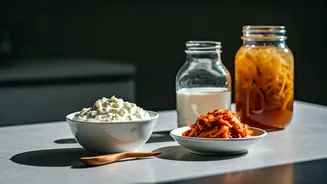
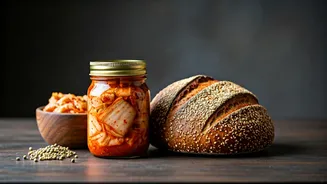
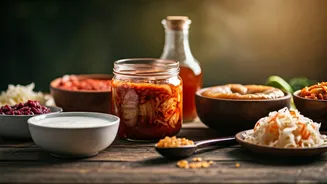
on bacteria with sanitizers and antibiotics. Now, we’re realizing that nurturing the *good* bacteria is one of the smartest things you can do for your overall health. This realization has sparked a gold rush for all things probiotic, with kombucha, kefir, and kimchi lining grocery store shelves. But long before “probiotic” was a marketing term, cultures around the world were mastering the art of fermentation, creating foods that naturally supported digestive wellness. The South Asian, or “Desi,” kitchen is a prime example.
Dahi: The Original Probiotic Staple
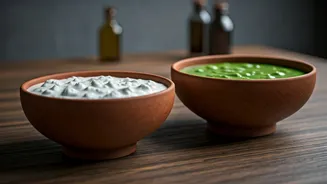
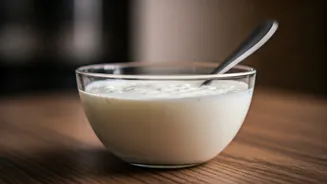
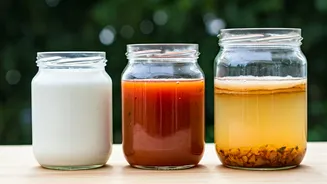
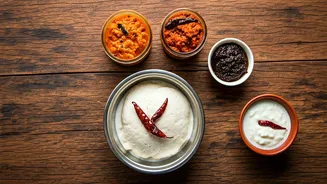
Before Greek yogurt became a fitness icon, there was Dahi. This creamy, tangy, homemade yogurt is a cornerstone of Indian cuisine and daily life. Unlike many mass-produced yogurts that can be loaded with sugar and have their cultures added back in after pasteurization, traditional Dahi is made by adding a starter culture (a spoonful of previous Dahi) to warm milk and letting it ferment naturally. This process cultivates a rich, diverse community of live bacteria. It's eaten plain, whipped into the cooling drink *lassi*, or used in *raita*, a savory yogurt dip that aids digestion when paired with spicy foods. Dahi is the definition of functional food—a simple, delicious staple that has been delivering probiotic benefits for centuries, no fancy branding required.
Kanji: The Tangy Fermented Tonic
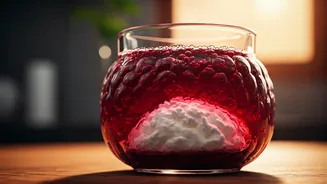
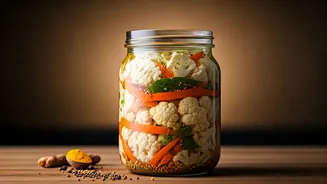
If Dahi is the familiar friend, Kanji is the cool, slightly mysterious cousin you need to meet. A specialty of North India, Kanji is a fermented drink that’s both sour and pungent, traditionally made with black carrots (or beets), water, salt, and ground mustard seeds. The mixture is left to ferment in the sun for several days, a process that transforms it into a cloudy, purplish, probiotic-rich tonic. The mustard seeds provide the signature pungent kick, while the fermentation process creates lactic acid bacteria, the same kind found in sauerkraut and kimchi. Traditionally consumed in the spring to aid the transition between winter and summer diets, Kanji is a powerful digestive aid. Its sharp, savory flavor is an acquired taste for some, but it’s a perfect example of how traditional food systems created powerful health tonics from simple, seasonal ingredients.
Kombucha: The Global Bridge
So where does kombucha, the darling of American wellness cafes, fit in? While its exact origins are debated (likely tracing back to Northeast China), it functions as a perfect bridge in this conversation. Kombucha, a fermented tea made with a SCOBY (Symbiotic Culture of Bacteria and Yeast), shares the same fundamental principle as Dahi and Kanji: it uses fermentation to create a beverage teeming with beneficial microbes. Its global popularity has opened the door for a wider American audience to become comfortable with the idea of drinking something that’s alive, tangy, and fizzy. For those who love their grocery-store kombucha, exploring Kanji is a logical next step into a world of savory, vegetable-based ferments. Kombucha walked so that the rich diversity of global fermented drinks could run.
Bringing Desi Wisdom Home
The beauty of this “Desi” approach to gut health is its simplicity and accessibility. It isn't about chasing an expensive new trend; it's about embracing a return to whole, fermented foods. You can find Dahi starters and high-quality full-fat yogurt at any Indian grocery store, or even make your own at home with remarkable ease. While black carrots for Kanji might be a specialty item, recipes using beets and regular carrots are plentiful online. This isn't about replacing your kombucha with Kanji, but rather expanding your palate and your microbiome’s diversity. It’s a reminder that sometimes the most effective health strategies are the ones that have been quietly practiced in homes for generations, long before science gave them a name.