


The Scent of Opportunity
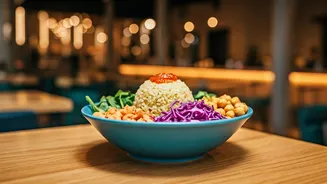
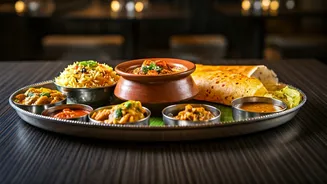
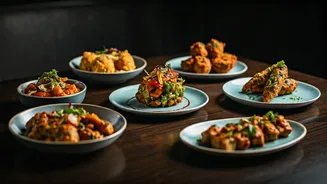
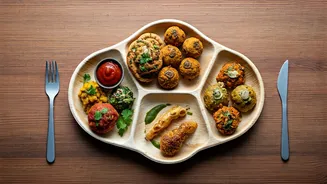
Not long ago, the average American's exposure to South Asian spice might have been limited to a jar of mild curry powder. Today, the landscape is dramatically different. Fast-casual restaurants like RASA in Washington, D.C., and Inday in New York City
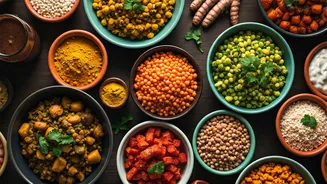
have successfully packaged the customizable, vibrant experience of Indian food for the lunchtime rush. On grocery shelves, companies like Maya Kaimal and Brooklyn Delhi are bottling the nuanced, region-specific flavors of simmer sauces and achaars (pickles), turning them into pantry staples. Even mainstream giants are paying attention. You can find chai-spiced everything, from ice cream to breakfast cereal, and turmeric has become the unofficial poster child of the wellness industry, appearing in lattes, juices, and supplements. This isn't just about food; it's about the commodification of culture. The complex, aromatic blend of spices colloquially known as 'masala' has become a powerful form of brand currency, a shortcut for companies to signal authenticity, worldliness, and a connection to something real.
Why Now? The Perfect Spice Blend
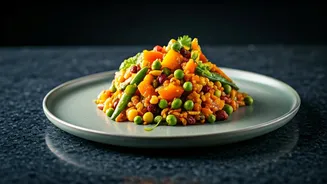
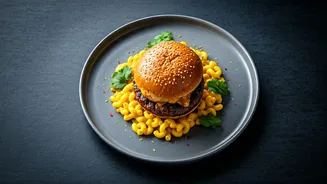
This culinary shift didn't happen overnight. It’s the result of several converging trends. First, changing demographics. The growing and increasingly influential South Asian diaspora in the U.S. has created a foundational market and a generation of entrepreneurs eager to share their heritage on their own terms. Second, the internet and social media have flattened the world, exposing millions of consumers to global food traditions through Instagram feeds and TikTok cooking videos. A beautiful bowl of chana masala is now just as 'grammable' as a classic burger. Finally, there's a growing consumer fatigue with bland, processed foods. In a crowded marketplace, brands are desperate for an edge. Bold, complex, and 'authentic' flavors offer a powerful point of differentiation. Tapping into the flavor profiles of South Asian cuisine allows a brand to tell a story of travel, tradition, and discovery—all from a single bite.
The Authenticity Tightrope
As brands rush to cash in on this cultural currency, they walk a fine line between appreciation and appropriation. When does celebrating a flavor profile cross over into carelessly stripping it of its context? The answer often lies in execution. A brand that simply slaps 'Mumbai Masala' on a bag of potato chips without any deeper connection, story, or respect for its origins risks looking like a shallow trend-chaser. Consumers, particularly younger, more culturally-aware Gen Z buyers, are savvy to this. They can spot the difference between a product developed in partnership with chefs from the culture and one concocted in a corporate lab meeting about 'ethnic flavors.' The brands that succeed are those that do the work. They invest in quality ingredients, they give credit where it's due, and they tell stories that honor the culture rather than simply mining it for profit. The currency is potent, but it can be easily devalued by lazy or disrespectful branding.
Who Profits from the Pot?
This brings us to the most critical question: who gets to benefit from this boom? Is it the South Asian chef whose family has passed down recipes for generations, or the venture-backed startup with a slick marketing team? Ideally, it’s both. The rise of 'street-side masala' as a brand asset has undeniably opened doors for diaspora entrepreneurs. They are finding a wider, more receptive audience than ever before, allowing them to build businesses that are both culturally specific and commercially successful. However, the power of large corporations to co-opt the trend, scale it, and sell a diluted version to the masses is a real threat. The challenge for consumers is to look past the packaging and ask where their money is going. Supporting the businesses that are authentically rooted in the culture is the most effective way to ensure that the value generated by this trend flows back to the communities that created it.