


1. You Get the Golden City to Yourself
From October to March, Jaisalmer is mobbed. Its narrow sandstone alleys teem with tour groups, the magnificent fort buzzes with activity, and securing a coveted rooftop dinner reservation requires planning. But visit between July and September, and the city
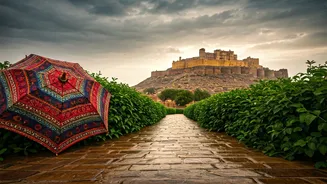
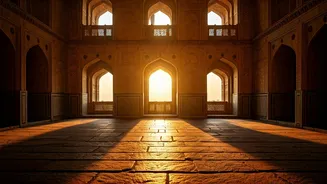
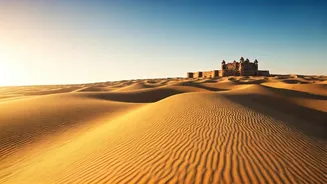
is yours. The crowds vanish, replaced by a serene, almost private atmosphere. You can wander through the intricate havelis (historic mansions) without jostling for space and explore the sprawling Jaisalmer Fort at your own pace. It’s the difference between seeing a destination and truly experiencing it, connecting with the quiet grandeur that made it famous in the first place.
2. The Desert Actually Blooms
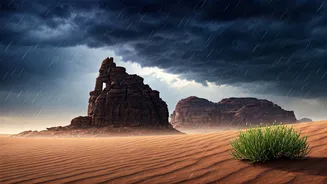
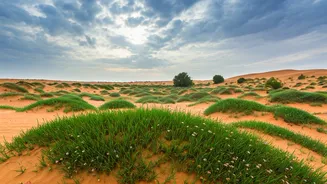
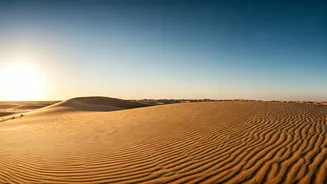
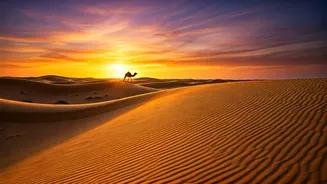
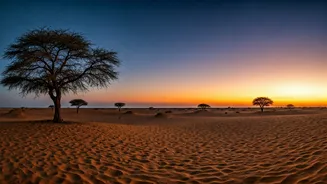
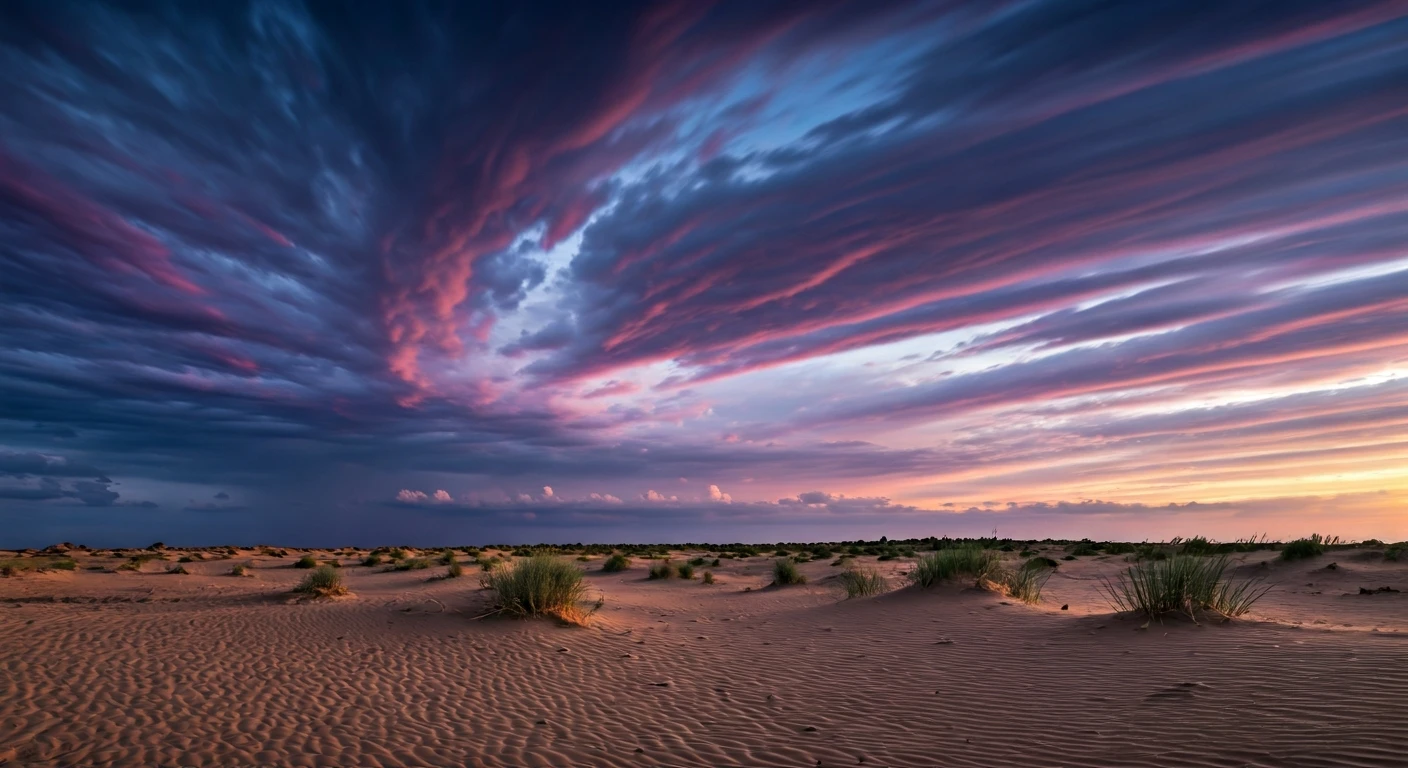
The words “desert” and “monsoon” don’t seem to belong together, which is exactly what makes this experience so special. Jaisalmer is in the heart of the Thar Desert, so it doesn't get the torrential downpours of other parts of India. Instead, it receives just enough rain to perform a miracle. The arid landscape, usually fifty shades of brown, erupts in a surprising carpet of green. Wild desert flowers pop up, and the once-dry lakes and ponds, like the iconic Gadisar Lake, fill with water, reflecting the dramatic, cloud-filled skies. It’s a fleeting, beautiful transformation that most visitors completely miss.
3. The Weather Is Surprisingly Pleasant
Let’s be clear: Rajasthan is hot. The pre-monsoon months of April to June are punishingly so, with temperatures soaring well over 100°F. The monsoon season, however, brings a welcome reprieve. The cloud cover and occasional showers break the oppressive heat, bringing daytime temperatures down to a much more manageable 85-95°F. The evenings are cool and breezy, perfect for enjoying a cup of chai on a rooftop overlooking the illuminated fort. Instead of spending the hottest part of the day hiding indoors, you can comfortably explore the city and its surroundings.
4. Your Wallet Will Thank You
Basic supply and demand makes a monsoon trip a financial slam dunk. With tourism at its lowest ebb, prices for everything plummet. That stunning heritage hotel you bookmarked? It could be 30-50% cheaper. The same goes for guided tours, camel safaris, and even local transportation. You get a five-star experience on a three-star budget, allowing you to splurge on unique experiences, indulge in more elaborate meals, or simply save a significant amount of money. The value proposition is off the charts, making it the perfect time for budget-conscious travelers who refuse to compromise on quality.
5. It’s an Authentic, Local Experience
When the tourist throngs depart, the city breathes a collective sigh of relief and reverts to its natural rhythm. Shopkeepers are chattier, children play cricket in the squares, and the pace of life slows. You’re no longer just another face in the crowd; you’re a guest. This off-season calm fosters more genuine interactions. You’ll find yourself having longer conversations, getting better recommendations, and seeing a side of Jaisalmer that’s often obscured by the commercial hustle of peak season. It feels less like a transaction and more like a discovery.
6. The Photography Is Spectacular
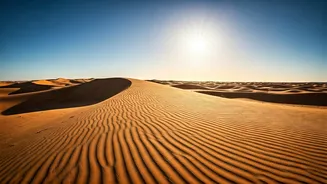
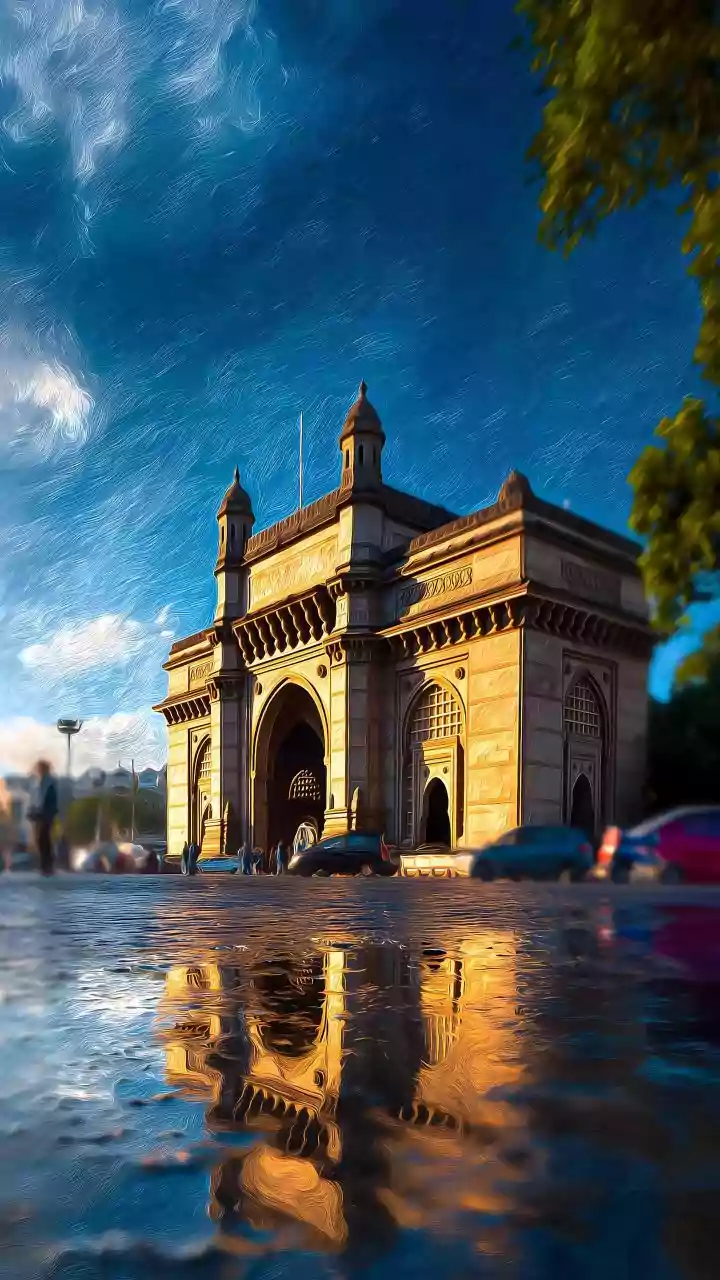
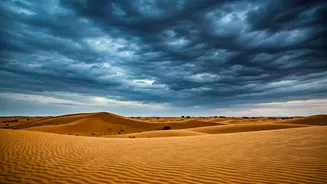
Forget the flat, blue skies of the dry season. Monsoon brings drama. The sky becomes a canvas of dark, rolling clouds, creating incredible contrast against the city’s honey-colored sandstone architecture. The brief showers wash the dust from the air and the stone, making colors appear richer and more saturated. When the sun breaks through, the light is soft and golden. Reflections in the newly formed puddles and lakes offer creative compositions you can’t get any other time of year. For photographers, it’s a dream: moody, atmospheric, and utterly unique.