





1. Perform a Pre-Season Check-Up
Before the first storm clouds gather, give your vehicle a thorough inspection. The two most critical components for monsoon driving are your tires and your windshield wipers. Ensure your tires have adequate tread depth to channel water and prevent hydroplaning—the
classic “penny test” works well. Place a penny with Lincoln's head upside down in the tread; if you can see the top of his head, your tires are worn and need replacing. Next, check your wiper blades. Arizona’s intense sun can bake the rubber, causing it to crack and become ineffective. If they leave streaks or screech across the glass, replace them immediately. Finally, top off your wiper fluid. You’ll need plenty of it to clear the mud and grime kicked up during a storm.
2. Know What Your Insurance Covers
A standard liability policy won't cover weather-related damage. Now is the time to review your auto insurance and understand your coverage. Comprehensive coverage is what typically protects your vehicle from non-collision events like flooding, hail damage, wind, and falling objects (like tree branches). Many drivers opt out of comprehensive to save money, but in a monsoon-prone region, it can be the difference between a minor deductible and a total financial loss. A quick call to your insurance agent to confirm your policy details can save you a massive headache later.
3. Driving in a Dust Storm (Haboob)
One of the most dramatic and dangerous features of the monsoon is the haboob—a massive wall of dust that can drop visibility to near zero in seconds. If you see one approaching, the official advice from the Arizona Department of Transportation is unanimous: Pull Aside, Stay Alive. Do not try to outrun it. Signal, pull your vehicle as far off the pavement as possible, turn off all your lights (including headlights and brake lights), and take your foot off the brake. The reason for turning lights off is to prevent other drivers who are still on the road from following your lights and crashing into your parked car. Stay in your vehicle with your seatbelt on and wait for the storm to pass.
4. Navigating Water on the Road
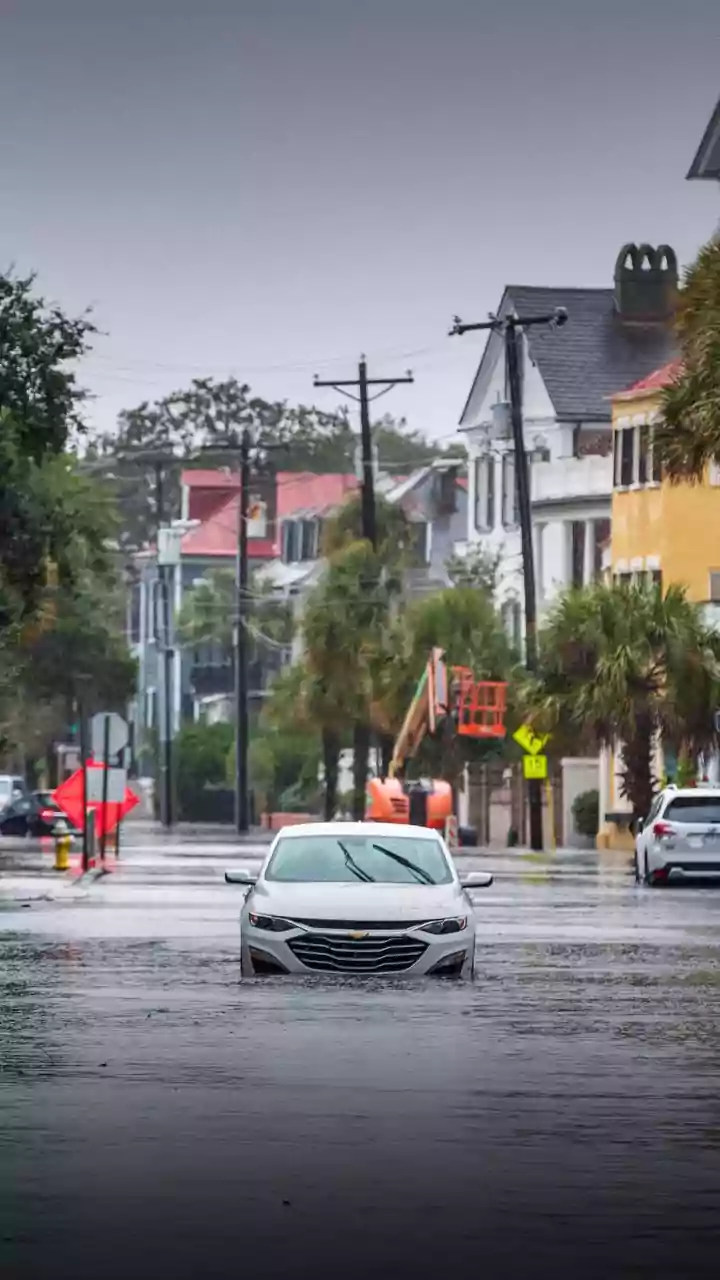
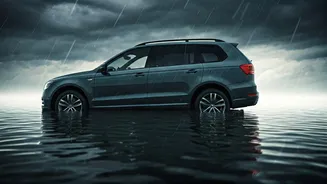
Flash floods are the number one weather-related killer in the U.S., and many of these fatalities are vehicle-related. It takes only six inches of moving water to knock an adult off their feet, and just 12 inches to sweep away a small car. Two feet of water can carry away most SUVs and trucks. The cardinal rule is simple: Turn Around, Don't Drown. Never drive through a flooded roadway or wash. The water is often deeper and moving faster than it appears, and the road underneath may be washed out. If your vehicle stalls in rising water, abandon it immediately and move to higher ground. A car can be replaced; you can’t.
5. Beware of Hydroplaning
After a long dry spell, the first rains of the season mix with oil and grime on the road, creating an exceptionally slick surface. This increases the risk of hydroplaning, where your tires lose contact with the road and skid across a thin layer of water. To avoid it, slow down significantly on wet roads. If you do feel your car begin to hydroplane, do not slam on the brakes or jerk the steering wheel. Ease your foot off the accelerator and steer gently in the direction you want the car to go until your tires regain traction.
6. After the Storm Passes
Once the weather has cleared, take a moment to inspect your car for damage. Look for dings and dents from hail, cracked glass, and any debris that may have become lodged underneath. If you drove through any water, even if it was shallow, it’s wise to have your brakes checked. Water can reduce the effectiveness of brake pads and get into sensitive electronic components. If your car was partially submerged, do not attempt to start it. This can cause catastrophic engine damage. Instead, call a tow truck and have it taken to a mechanic for a professional assessment.