



So, What Exactly Is It?
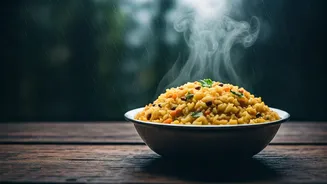
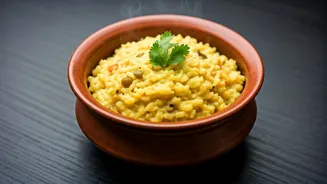
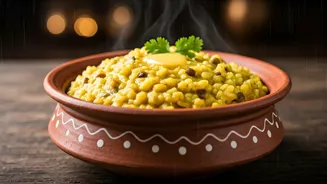
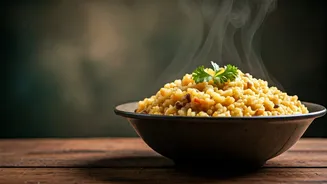
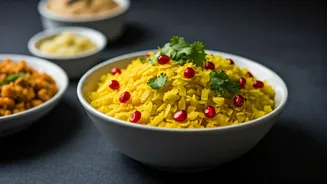
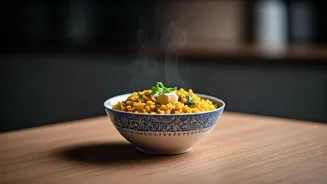
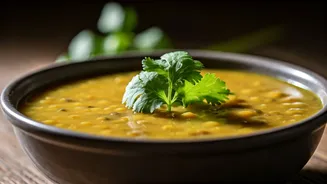
At its most basic, Khichdi (pronounced KICH-uh-ree) is a savory porridge made by cooking rice and lentils together until they break down into a soft, spoonable texture. Think of it as the risotto of South Asia, but infinitely simpler. The most common
lentil used is split mung dal, which is known for being easy to digest, but the variations are endless. Depending on the region and the household, it can be made with different grains, dals, spices, and vegetables.But its simplicity is its strength. It’s a one-pot meal that requires minimal effort and delivers maximum comfort. Whether served watery and plain or rich and complex, the foundational duo of rice and lentils creates a complete protein, providing all the essential amino acids your body needs in one warm, satisfying bowl.
The Ultimate Comfort Food
In many South Asian homes, Khichdi is the undisputed champion of comfort food. It's the first solid food fed to babies and the last meal prescribed to the elderly. It’s what you eat when you’re recovering from an illness, nursing a cold, or simply feeling down. This has earned it the affectionate nickname “Indian Penicillin.”This reputation isn’t just about its nutritional profile. It’s deeply psychological. The act of eating a warm, soft, and gentle meal is inherently soothing. It doesn’t demand much from your body, particularly your digestive system, allowing it to rest and recover. It's a culinary hug, a signal to your body that it’s time to heal and take it easy.
The ‘Gut Hero’ Connection
The headline isn’t just being dramatic. Khichdi’s reputation as a “gut hero” is rooted in the principles of Ayurveda, the traditional Indian system of medicine. In Ayurveda, strong digestion, or *agni* (digestive fire), is the cornerstone of good health. Foods that are difficult to process are believed to weaken this fire, leading to imbalances.Khichdi is considered a perfect food for maintaining digestive balance. The combination of rice and split mung lentils is light and easy for the body to break down. The typical spices used, like turmeric (anti-inflammatory), ginger (aids digestion), and cumin (reduces gas), further support the gut. The mushy consistency means your stomach doesn't have to work as hard. This makes it an ideal food for a “reset,” allowing the digestive system to recalibrate without being starved.
Why the Rainy Season?
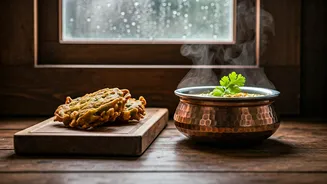
The link between Khichdi and the rainy season is also tied to Ayurvedic wisdom. Traditional belief holds that the monsoon season is a time when the digestive fire is naturally weaker. The damp, cool weather can make the body feel sluggish, and there's a higher risk of water-borne illnesses.During this time, it’s advised to favor warm, light, and cooked meals over raw, cold, or heavy ones. Khichdi fits the bill perfectly. It's warm, nourishing, and incredibly gentle on a system that might already be under stress. It provides sustained energy without weighing you down, making it the ideal antidote to the lethargy that can accompany a long stretch of gray, rainy days.
Not Just for Sick Days
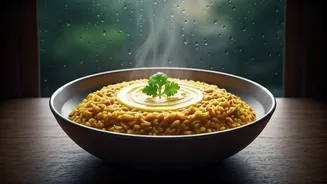
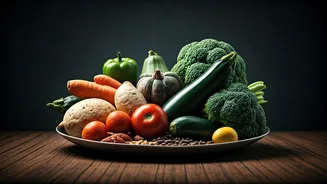
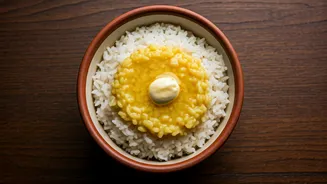
While Khichdi is a godsend when you're feeling unwell, pigeonholing it as “sick people food” does it a major disservice. Across India and its diaspora, Khichdi is a beloved staple that can be dressed up for any meal.A simple bowl can be transformed into a culinary masterpiece with the right accompaniments. A generous dollop of ghee (clarified butter) adds richness and flavor. A side of plain yogurt provides a cool, tangy contrast. And a spoonful of spicy, pungent pickle (*achaar*) cuts through the creaminess with a burst of excitement. Many recipes also incorporate a medley of seasonal vegetables, turning it into a hearty, all-in-one feast. It’s a canvas for flavor, proving that what’s good for you can also be incredibly delicious.