


So, What Exactly Are Millets?
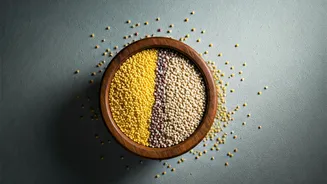
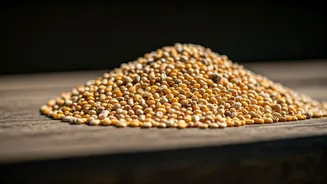
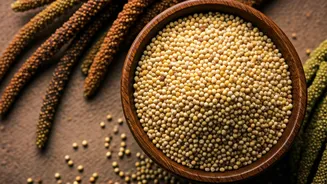
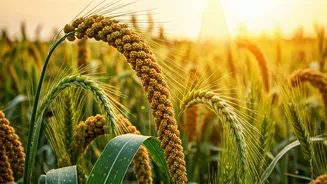
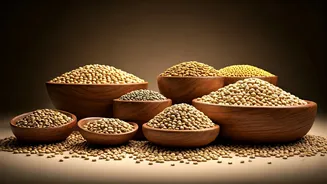
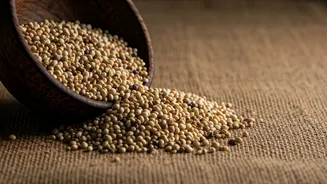
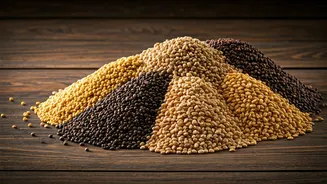
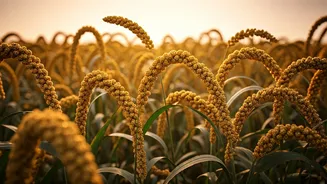
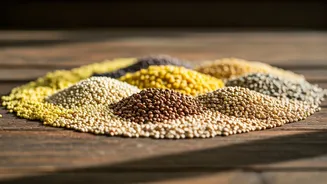
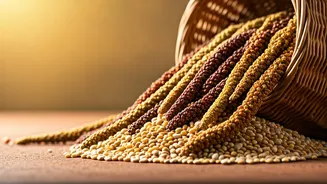
Before we dive into why they’re suddenly everywhere, let’s get the basics down. Millet isn’t just one grain; it’s a group of small-seeded grasses that have been cultivated for thousands of years. Think of it as a family of cousins rather than a single
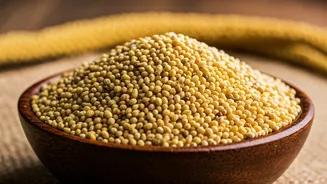
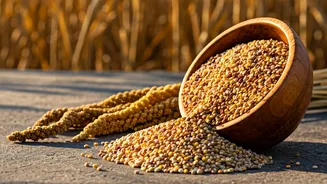
entity. Common varieties you might encounter include pearl, foxtail, proso, and finger millet, along with sorghum, which is often grouped with them. For centuries, these hardy grains were a primary food source across vast stretches of Africa and Asia, thriving in arid conditions where crops like rice and wheat would fail. They were dependable, nourishing, and deeply woven into the fabric of daily life for millions. While they may seem new to the American mainstream, their history is one of the oldest and most resilient in the world.
The Modern Health Halo
A huge part of millet’s resurgence comes from its impressive nutritional resume, which seems almost tailor-made for today’s wellness-focused consumer. First and foremost, all varieties of millet are naturally gluten-free, making them a fantastic alternative for those with celiac disease or gluten sensitivity. But the benefits don’t stop there. Millets are complex carbohydrates with a low glycemic index, meaning they release sugar into the bloodstream slowly. This helps manage blood sugar levels, preventing the sharp spikes and crashes associated with refined grains, and providing sustained energy. They are also packed with fiber, which aids digestion and promotes a feeling of fullness, supporting weight management. On top of that, they are a rich source of essential minerals like magnesium (crucial for heart and nerve function), iron (for energy), and phosphorus (for bone health). In a world looking for nutrient-dense, whole-food options, millet checks every box.
A Story of Heritage and Resilience
The other driving force behind millet’s comeback is a renewed appreciation for its cultural heritage. This isn't just about finding another healthy grain; it's about reconnecting with a food that has sustained civilizations. The United Nations even declared 2023 the “International Year of Millets” to highlight their role in food security, sustainable agriculture, and cultural history. For generations, millets were the foundation of diets across India, China, and sub-Saharan Africa. They were used to make everything from flatbreads and porridges to fermented beverages. The dominance of industrial-scale wheat and rice farming in the 20th century pushed these traditional grains to the margins, often branding them as “poor people’s food.” But now, a global movement is underway to reclaim that heritage, celebrating millets not as a food of last resort, but as a culinary treasure with a rich story to tell.
From Humble Staple to Culinary Star
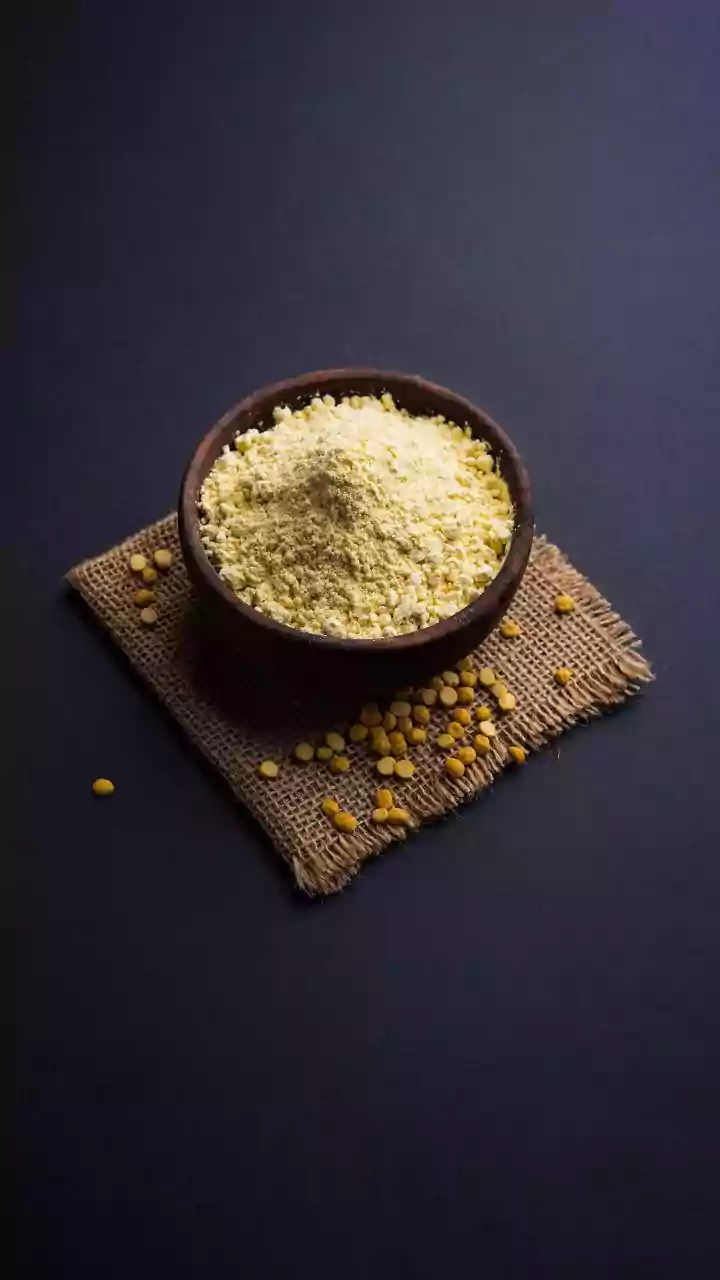
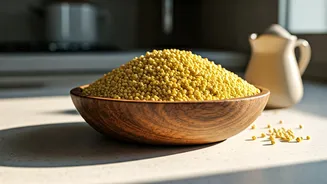
The convergence of health and heritage has brought millet out of obscurity and onto the plates of innovative chefs and curious home cooks. Their versatility is a key part of their appeal. With a mild, slightly nutty flavor, millet can be a blank canvas for a wide range of dishes. Cooked simply, it becomes a fluffy, couscous-like side dish. It can be made into a creamy breakfast porridge, used as a base for hearty grain salads, or even popped like corn for a crunchy snack. Ground into flour, it’s an excellent gluten-free base for pancakes, muffins, and flatbreads like Indian jowar roti (made from sorghum). This adaptability means you don’t have to be a professional chef to make millet delicious. It’s a forgiving grain that invites experimentation, allowing anyone to tap into its ancient past while creating something fresh and modern.