



The Search for Something Real
For years, the idealized vacation photo was one of effortless luxury: a perfectly composed shot of turquoise water, white sand, and a tanned leg. It was beautiful, but it was also a performance. Today, there’s a growing appetite for something that feels
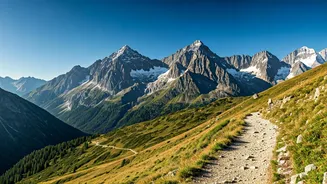
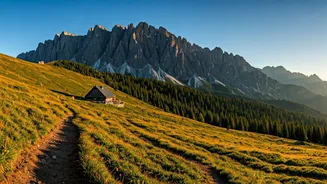
more authentic, and mountainscapes deliver. A photo of a hiker, mud-splattered and breathless at a summit, tells a story of effort and reward. It’s less about curating an image of perfection and more about documenting an experience. In an era of filters and carefully constructed online personas, the raw, unpolished beauty of a mountain range feels like a breath of fresh, unfiltered air. This aesthetic shift values grit over glamour, suggesting that the journey—and even the struggle—is just as important as the destination. It taps into a collective desire for experiences that feel earned, tangible, and grounded in the real world, not just an influencer’s preset.
Adventure Over Aspiration
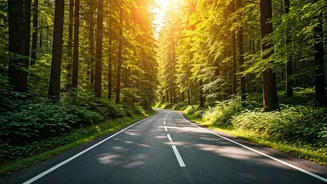
The narrative of a mountain trip is fundamentally different from that of a beach getaway. One is about active pursuit; the other is often about passive relaxation. While there’s nothing wrong with unwinding by the sea, the content that mountain trips generate is inherently story-driven. It’s about the challenge: the early morning alarm for a sunrise hike, the winding drive up a steep pass, the feeling of accomplishment after a long trek. Social media platforms, particularly video-centric ones like Instagram Reels and TikTok, thrive on these mini-narratives. A 15-second clip can show the progression from the trailhead to the panoramic view, creating a satisfying arc for the viewer. This shift reflects a change in what many Americans aspire to. The new status symbol isn't just leisure, but personal growth, resilience, and a life rich with memorable stories. A mountain trip promises transformation, not just a tan.
The Rise of the Cozy Aesthetic
It’s not just about the rugged peaks; it’s also about what happens after the hike. The “cabin core” aesthetic has become a powerful force online, romanticizing a simple, secluded life. Think of the quintessential images: steam rising from a coffee mug held before a window looking out on a pine forest, the warm glow of a fireplace on a plaid blanket, a bookshelf filled with paperbacks in a timber-frame A-frame. This isn’t just a picture; it’s a fantasy of escape. It represents a retreat from the noise of modern life—the constant pings, the overwhelming news cycles, the pressure to be always-on. The mountain cabin promises solitude, quiet, and a connection to nature. It’s the visual language of decompression. For millions of people scrolling on their phones in bustling cities or suburban homes, that image of quiet sanctuary is arguably more compelling than another crowded beach club.
Naturally Built for the Small Screen
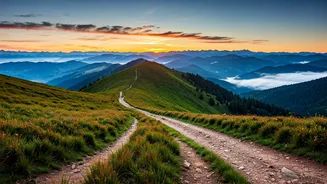
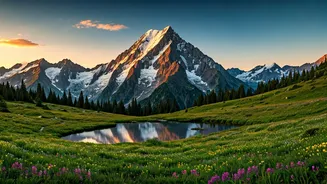
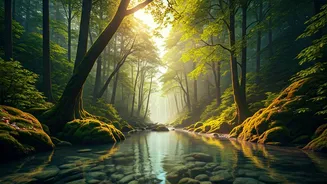
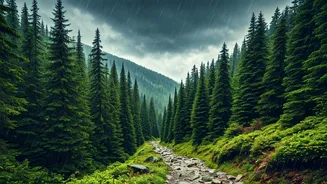
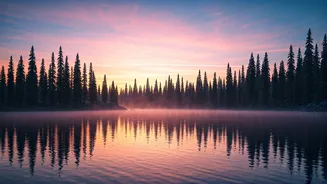
On a purely visual level, mountains are simply better subjects for photography and videography, especially on a phone. They offer dramatic scale, dynamic light, and a sense of awe that’s hard to replicate. The verticality of a peak or a towering forest is perfectly suited to the portrait orientation of a phone screen. Sunrises and sunsets, filtered through mountain air, produce spectacular colors. Fog, mist, and changing weather add mood and texture that a perpetually sunny beach can’t match. Furthermore, the proliferation of high-quality drone cameras has given creators the ability to capture sweeping, cinematic shots that were once the exclusive domain of Hollywood films. A drone ascending through a misty valley or circling a dramatic ridgeline creates content that is almost guaranteed to stop a user’s scroll. The sheer grandeur of the landscape does the heavy lifting, making every shot feel epic.