




The Unbeatable Sunshine Flower
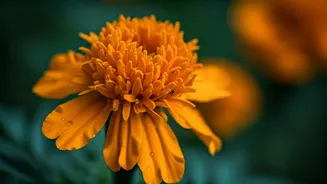
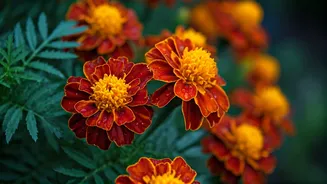
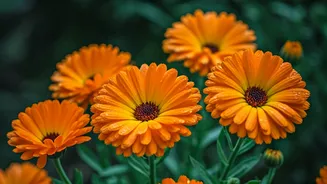
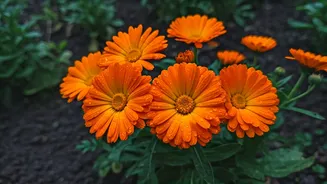
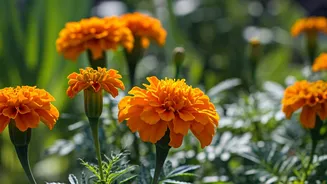
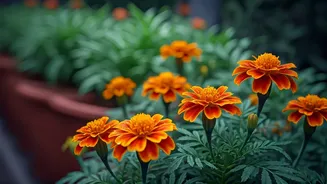
Long before they were recognized for their protective qualities, marigolds were cherished for one simple reason: they are beacons of pure, unapologetic joy. Available in a fiery spectrum of yellows, oranges, and deep reds, these annuals are the epitome
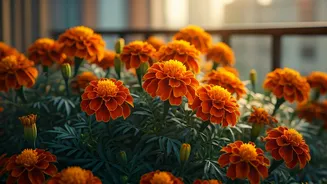
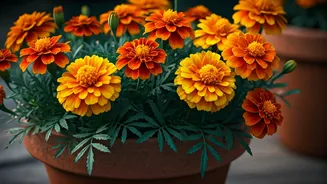
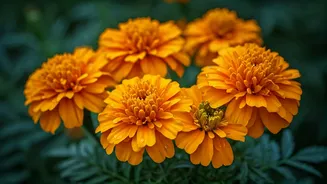
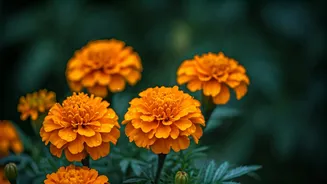
of low-maintenance, high-reward gardening. They ask for little more than a sunny spot and will reward you with a continuous succession of blooms from late spring until the first frost. Their ruffled, carnation-like pom-poms or simple, daisy-like petals add texture and warmth to any garden bed, container, or window box. They are, in essence, bottled sunshine, ready to be uncorked wherever a splash of dependable color is needed.
Your Garden's Secret Bodyguard
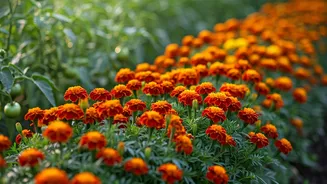
Here is where the marigold moves from merely beautiful to truly brilliant. The “protect” in the headline isn’t just poetic—it’s practical. Many gardeners have long sworn by marigolds as companion plants, and science backs up some of the most important claims. The roots of certain marigold varieties, particularly French marigolds (Tagetes patula), release a chemical that is toxic to root-knot nematodes. These microscopic worms can devastate vegetable crops like tomatoes, peppers, and beans by attacking their root systems. Planting marigolds in a vegetable bed a season ahead of time, or interplanting them with susceptible crops, can significantly reduce nematode populations in the soil. While not a cure-all, it’s a powerful, organic tool for soil health. Their strong scent is also believed to deter other pests, from cabbage moths to Mexican bean beetles, essentially creating an aromatic forcefield around your precious veggies.
Choosing Your Champions
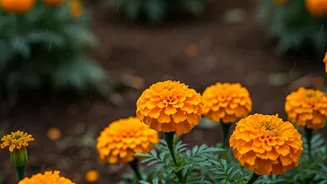
Not all marigolds are created equal when it comes to garden duties. Understanding the main types will help you deploy them effectively. **French Marigolds (Tagetes patula):** These are the compact, bushy powerhouses of pest control. Typically growing 6 to 12 inches tall, they are the go-to choice for nematode suppression. Their smaller size makes them perfect for tucking into vegetable rows and lining garden borders. Popular varieties include 'Bonanza' and 'Hero'. **African Marigolds (Tagetes erecta):** Also known as American marigolds, these are the giants of the family, often reaching three feet tall with huge, globular blooms. While they have some pest-repellent properties, they are primarily grown for their stunning visual impact, creating a bold backdrop or a dramatic centerpiece in a large flower bed. **Signet Marigolds (Tagetes tenuifolia):** These offer a more delicate, lacy look with smaller, single-petal flowers and citrus-scented foliage. They are edible and make a wonderful, peppery addition to salads and as a garnish. They are less known for pest control but excel at attracting beneficial insects like hoverflies.
Planting for Peak Performance
To get the most from your marigolds, a few simple rules apply. First and foremost, they crave sun. At least six hours of direct sunlight per day is ideal for robust growth and prolific blooming. While they can tolerate a range of soil types, they prefer well-draining soil and don't like to have “wet feet.” In fact, they are quite drought-tolerant once established. For the brightest and longest-lasting display, a little maintenance goes a long way. Deadheading, or pinching off the spent flowers, is the single most important task. This prevents the plant from going to seed and encourages it to redirect its energy into producing new blooms, ensuring your garden stays bright all season long.
Brightening Every Corner
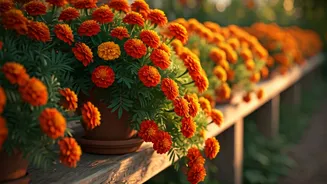
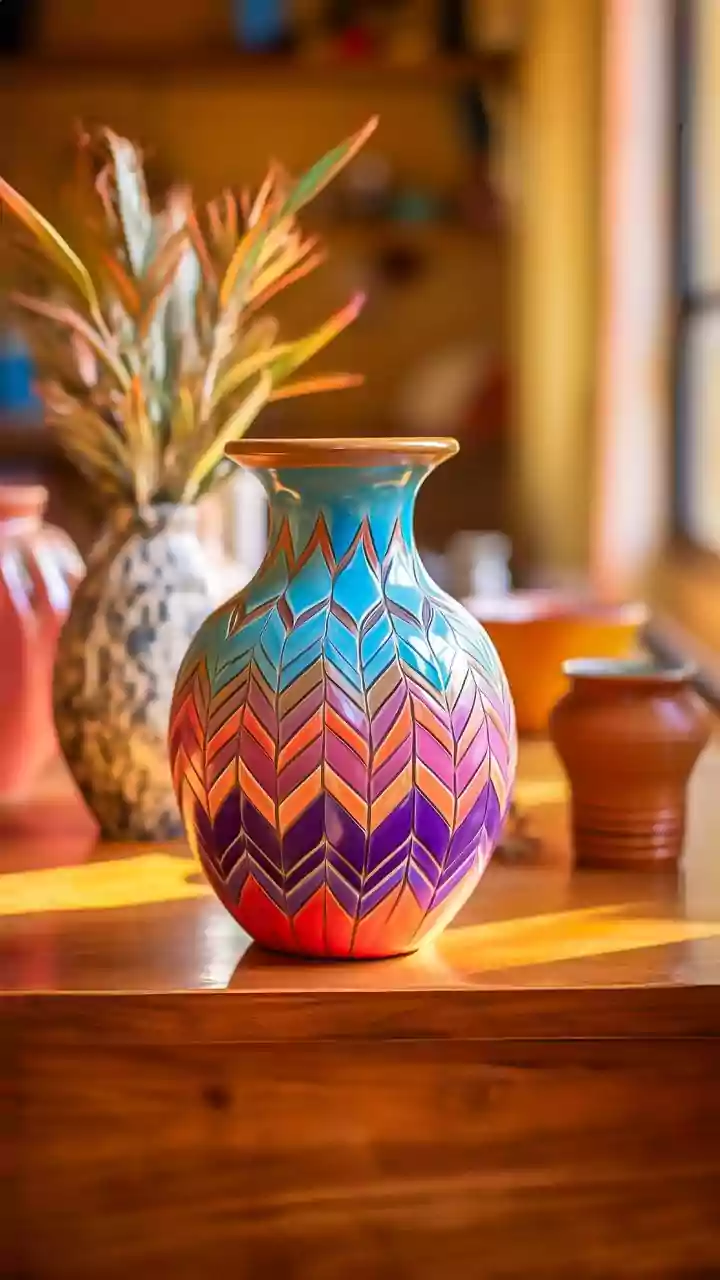
While they are stars in the vegetable patch, their utility doesn’t end there. Use them to literally brighten those “rainy corners.” Got a drab spot by the mailbox? A cluster of African marigolds will make a statement. A bland patio? Fill containers with a mix of French and Signet marigolds for color, texture, and a pleasant scent. They make excellent, long-lasting cut flowers, allowing you to bring that garden sunshine indoors. A simple vase of marigolds on a windowsill can transform the feel of a room, serving as a cheerful reminder of the hardworking beauty flourishing just outside your door.