


The Goa We All Love
Let’s be clear: there is absolutely nothing wrong with a Goan beach holiday. From the buzzing nightlife of Baga and Calangute in the north to the serene, postcard-perfect sands of Palolem and Agonda in the south, Goa delivers on its promise of relaxation
and fun. It’s a place to rent a scooter, find your favorite beach shack, sip on a Kingfisher beer, and let the days melt into one another under a warm sun. It’s easy, it’s beautiful, and it’s an iconic travel experience for a reason. For many, this is the beginning and end of the Goan itinerary. You arrive, find the coast, and stay there. But in doing so, you might be missing the state’s most dramatic, awe-inspiring secret, hidden away in the lush, mountainous interior.
Answering a Different Kind of Call
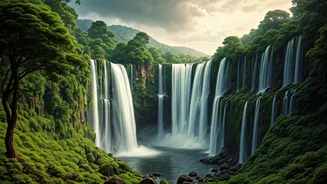
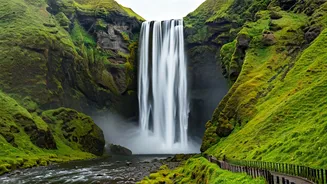
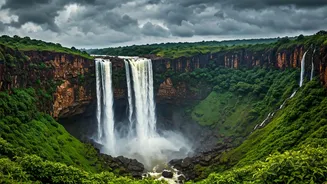
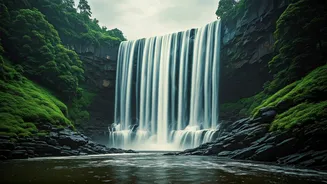
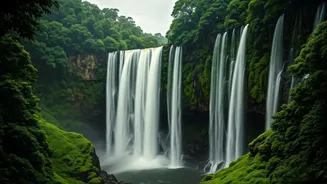
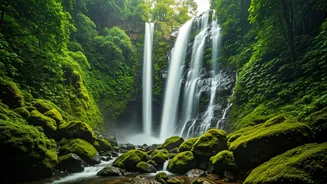
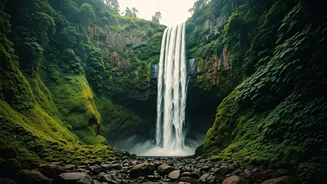
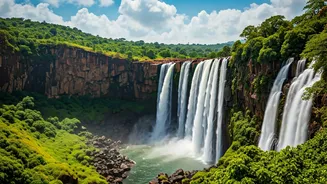
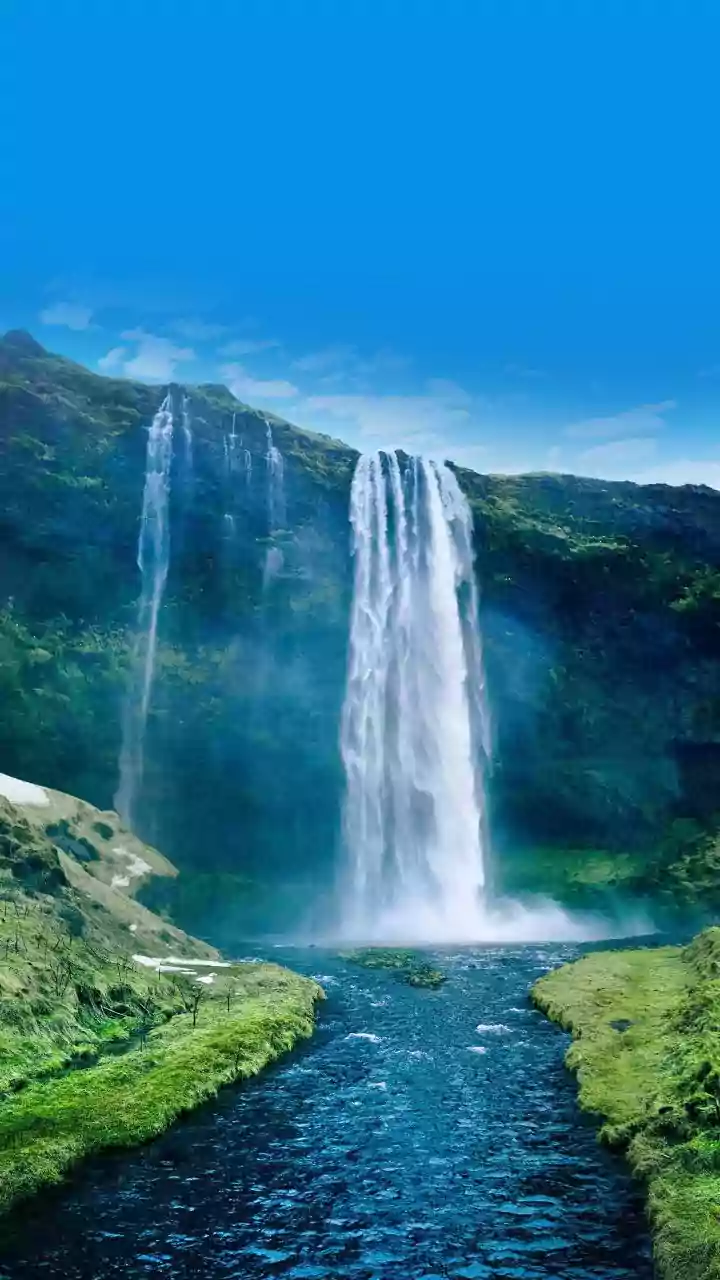
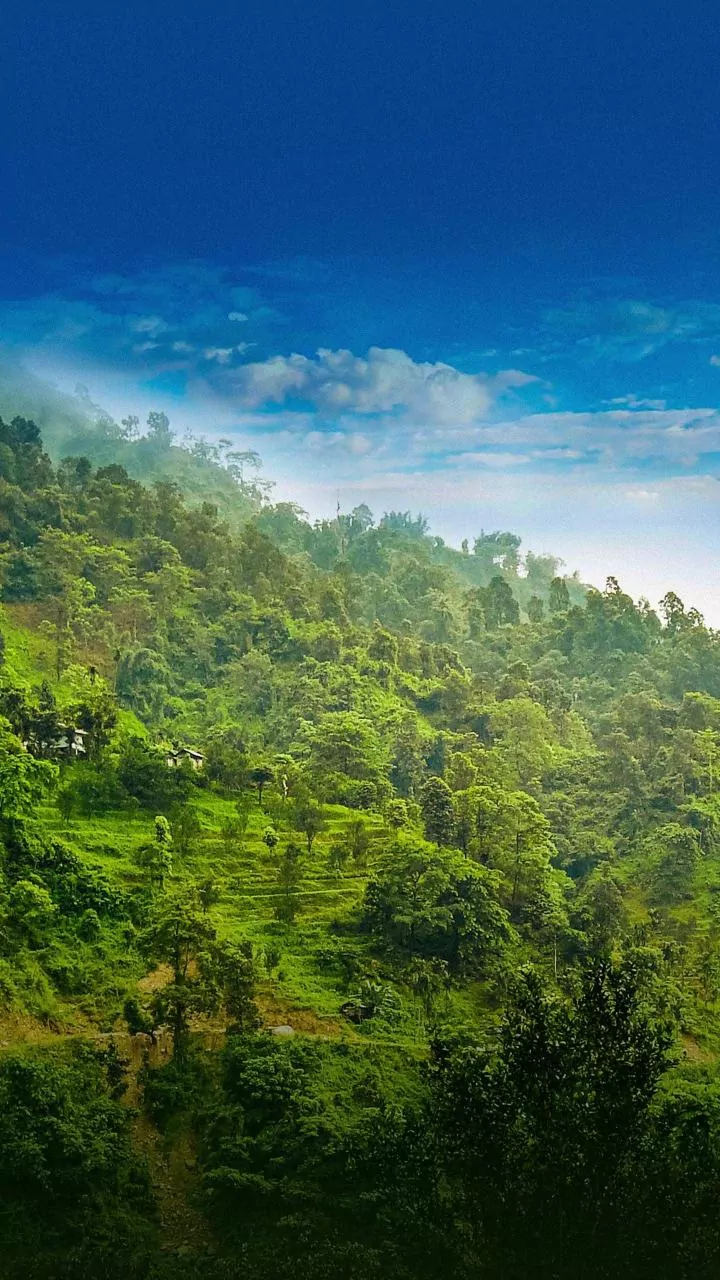
About 40 miles inland from the popular beaches of South Goa, on the border with the state of Karnataka, the landscape transforms. The coastal plains rise into the forested hills of the Western Ghats, and here, nature puts on a show that no beach party can rival. This is the home of Dudhsagar Falls. The name translates to “Sea of Milk,” and it’s not an exaggeration. During and just after the monsoon season, the Mandovi River, swollen with rain, plunges over a four-tiered cliff face from a staggering height of over 1,000 feet. The sheer volume of water creates a roaring, white-water spectacle that looks less like a waterfall and more like a torrent of milk being poured from the heavens. It’s a raw, powerful display that feels a world away from the tranquil coast.
The Journey Is the Adventure
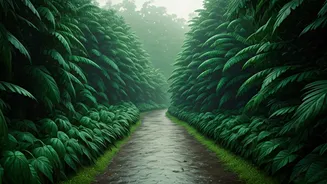
Getting to a Goan beach is simple. Getting to Dudhsagar is an adventure in itself. The falls are nestled deep within the Bhagwan Mahaveer Sanctuary and Mollem National Park, a protected area with no paved roads leading directly to the base. This is a good thing. The only way in is via a fleet of registered 4x4 jeeps from the nearby village of Kulem. The ride is a bone-rattling, mud-splattering, river-fording journey of about an hour through dense jungle. You’ll be tossed around, you’ll see monkeys and exotic birds, and you’ll feel like you’re on a real expedition. This is a stark contrast to the leisurely scooter ride to the beach; it’s an active pursuit, a mini-quest that makes the final reveal of the falls feel earned and all the more spectacular.
That Iconic Train Bridge
What truly elevates Dudhsagar from a beautiful waterfall to a bucket-list icon is the railway line that slices directly across its face. An old stone bridge, part of a still-active rail route, traverses the falls about halfway up. If you time your visit right, you can witness the incredible sight of a train slowly rumbling across the bridge, seemingly suspended in the middle of the roaring cascade. It’s a surreal, almost cinematic image that has made Dudhsagar a legend among travelers. After the jeep ride, a short, rocky trek brings you to a viewing area with a large, icy-cold pool at the base of the falls. You can swim in the powerful spray (life vests are mandatory and provided), feeling the sheer force of the water crashing down nearby. It's an invigorating, immersive experience that engages all the senses.
How to Make It Happen
Convinced? The best time to see Dudhsagar in its full, milky glory is from June to September, during the monsoon. However, jeep access can be restricted during the heaviest rains. The ideal window for most travelers is from October to December, when the monsoon has ended, but the falls are still thunderous and the forest is vibrantly green. To visit, you’ll need to get to Kulem, where you can hire a spot in a shared jeep. The park service has a well-organized system. It’s a full-day trip from either North or South Goa, but entirely worth it. Leave the flip-flops at the hotel; you’ll want sturdy shoes for the trek and a change of clothes, because you will get wet.