



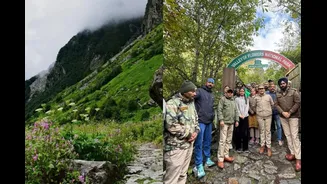
The Theatre of the Gods
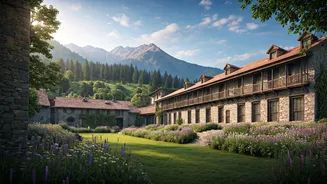
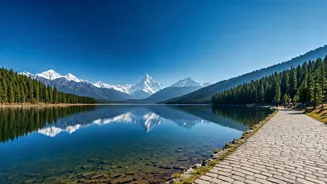
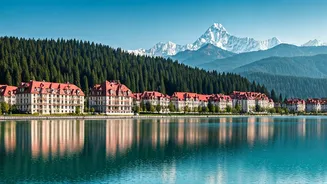
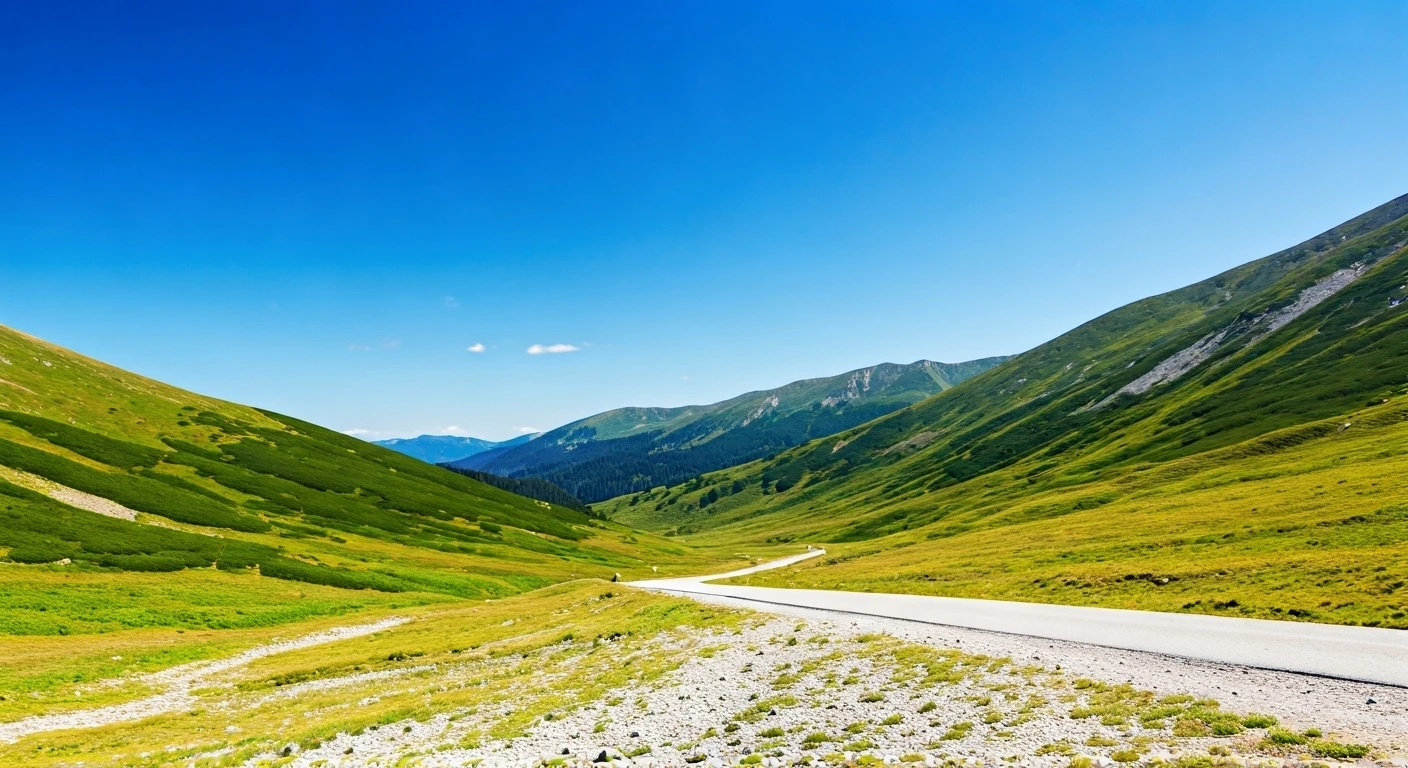
Before you taste a single bite, you’re nourished by the view. The Kumaon region, nestled in the Indian state of Uttarakhand, offers some of the most accessible and soul-stirring panoramas of the Himalayas. From hillside towns like Almora, Kausani, and Munsiyari,
the world unfolds into a spectacle of jagged peaks. This is not a distant, hazy glimpse of mountains; it’s an immersive, front-row seat to a silent, epic drama. The skyline is dominated by giants: Nanda Devi, India’s second-highest peak, stands sentinel, flanked by the majestic Trishul massif and the five-pronged Panchachuli range. At sunrise, these ivory behemoths blush pink and gold, a sight so profound it quiets the mind. This landscape isn't just a backdrop; it’s an active ingredient in the Kumaoni experience, setting a tone of tranquility, grandeur, and a deep connection to the natural world.
Cuisine Born from the Earth
Kumaoni food is the perfect counterpart to its majestic setting. It is honest, unpretentious, and deeply rooted in the soil. For centuries, the people of these hills have relied on what the rugged terrain provides: hardy lentils, coarse grains like finger millet (madua) and buckwheat, and foraged wild greens. The cuisine is a masterclass in creating robust flavors from simple, seasonal ingredients. There’s no heavy cream or complex spice blends found in much of mainstream Indian cooking. Instead, flavors are built on the unique local tempering spice called jakhiya—a tiny, dark seed with a nutty, pungent crunch—and the subtle smokiness of cooking over wood fires. It’s a diet designed for warmth, energy, and sustenance in a demanding environment, making every meal feel both grounding and incredibly satisfying.
Dishes That Tell a Story
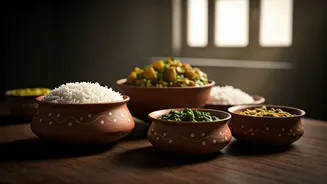
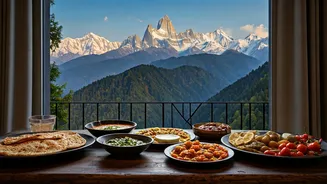
To eat in Kumaon is to taste its geography. A quintessential meal might feature Bhatt ki Churkani, a rich, dark curry made from locally grown black soybeans, slow-cooked in an iron pot to give it its signature color and depth. It’s often served with steaming rice and Madua ki Roti, a dense, nutritious flatbread with a distinctive earthy flavor. Another staple is Aloo ke Gutke, a simple but addictive dish of boiled potatoes, stir-fried with jakhiya, red chilies, and fresh coriander. For something lighter, there's Kafuli, a thick, green stew made from spinach and fenugreek leaves that’s both comforting and invigorating. And no meal is complete without a dollop of chutney made from bhang (hemp) seeds, which lends a nutty, creamy texture and a savory tang that cuts through the richness of the lentils. Each dish is a direct reflection of the agricultural calendar and the resourcefulness of the mountain people.
The Unforgettable Pairing
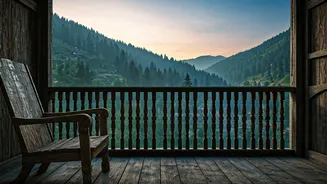
The true magic happens when you put the two together. Sitting on the veranda of a village homestay, you’re not just having lunch; you’re participating in a ritual. The act of eating a simple, wholesome meal while gazing at peaks that have stood for millennia creates a powerful sense of perspective. The humble, earthy flavors of the food ground you, connecting you to the very land you’re admiring. The immense, unchanging beauty of the mountains elevates the simple meal into a banquet. This combination is the essence of the Kumaoni travel goal: it’s a sensory experience where taste and sight merge to create a profound feeling of peace and belonging. It reminds you that the most memorable luxuries are often the simplest—a warm meal, a clear view, and a quiet moment to take it all in.